Cuban trade union federation CTC leader OSNAY MIGUEL COLINA speaks to Ben Chacko about life and work under a crippling US siege


 Latest editorial
The Budget: harsh class reality lurks behind ‘working people’ rhetoric
In the first of two articles, ROBERT GRIFFITHS argues that despite a parliamentary majority, Labour’s timid Budget fails to seize a historic opportunity and lacks the ambition needed to address Britain’s deep social and economic crises


A part of the British empire’s network of slavery, today the Caribbean island of Nevis faces a new form of exploitation in the form of crypto-colonialism, CLAUDIA WEBBE writes
A new book by Victoria Holmes illuminates the many hidden histories of the oppression experienced by Gypsy/Roma/Traveller community, writes ROGER McKENZIE
Even the oligarchs of the artificial intelligence industries are warning that their creations have the capacity for the ultimate destruction of the planet and its population. ANDREW MURRAY suggests that there might just be other solutions
The Labour government must deliver on its commitment to bring back privatised services into the public sector. This not only saves money but also creates accountability and generates wider social benefits, argues ANDY MCDONALD MP
Public ownership of Great British Railways has enormous potential to improve our railway network, but that can’t happen unless jobs, employee rights and union recognition is at the heart of the transition, argues MARYAM ESLAMDOUST
Challenges from the unscrupulous misuse of AI to steal actors’ voice and physical likenesses is being met with a firm union response, writes LYNDA ROOKE





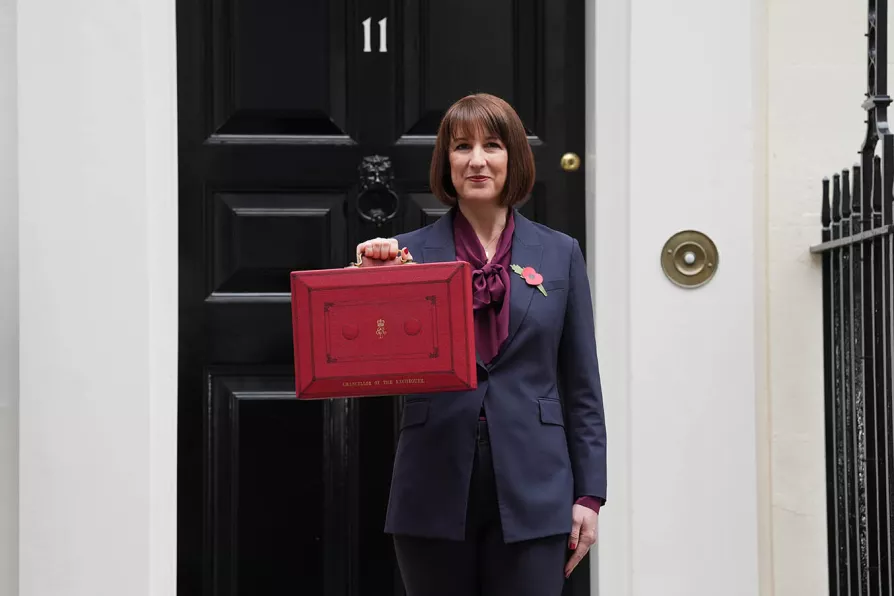
AS a modern-day Aesop’s Fable might put it, Chancellor Rachel Reeves has laboured mightily and brought forth a mouse. With a majority of around 156 MPs at Westminster, her Budget on Wednesday missed a golden opportunity to begin fixing Britain’s big social and economic problems.
These include 14 million people in poverty (including four million children); six million patients on hospital waiting lists; 1,290,000 people and families on housing waiting lists; and public services run down or privatised.
Led by the Tories and their right-wing press, much of the public debate before, during and after Budget day focused on Labour’s plans to increase employers’ National Insurance contributions (NICs).

Similar stories

A sharp rise in public-sector investment is required to kick-start the economy, argues MICHAEL BURKE

Trade unions call for windfall tax hike to fund social energy tariff to public’s energy bills

Only an ambitious programme of state-led investment can restore growth and improve living standards, argues MICHAEL BURKE

Years of underfunding are eroding Scotland’s local services and deepening inequality in communities, says VINCE MILLS