A California union’s decision to host a meeting about US policy towards Cuba has prompted a congressional probe and renewed attacks on international solidarity, writes CAMERON HARRISON



We still need justice for Cammell Laird 37
MICK WHITLEY recounts the 1984 shipyard occupation that led to Britain’s largest jailing of trade unionists and urges Labour to address this historic injustice 40 years on


The Baltic state is set to reverse its constitutional prohibition on nuclear weapons and foreign bases as part of accelerated Nato war preparations, warns TOM UNTERRAINER
Long-term underfunding and state neglect, while simultaneously probation services have been undermined, have intensified the prison crises, argues SOLOMON HUGHES
Holyrood incompetence has cost jobs and put the future of Clydeside’s Ferguson Marine shipyard into jeopardy. Its future should have been assured, argues KENNY MACASKILL
With the agitated debate now raging in the media about the early release schemes, Prison Officers Association general secretary STEVE GILLAN gives the view of those who work in the sector
The hounding of the late Jason Arday is an all too familiar experience for many black people. ROGER McKENZIE calls for collective action to combat what can feel like personal isolation





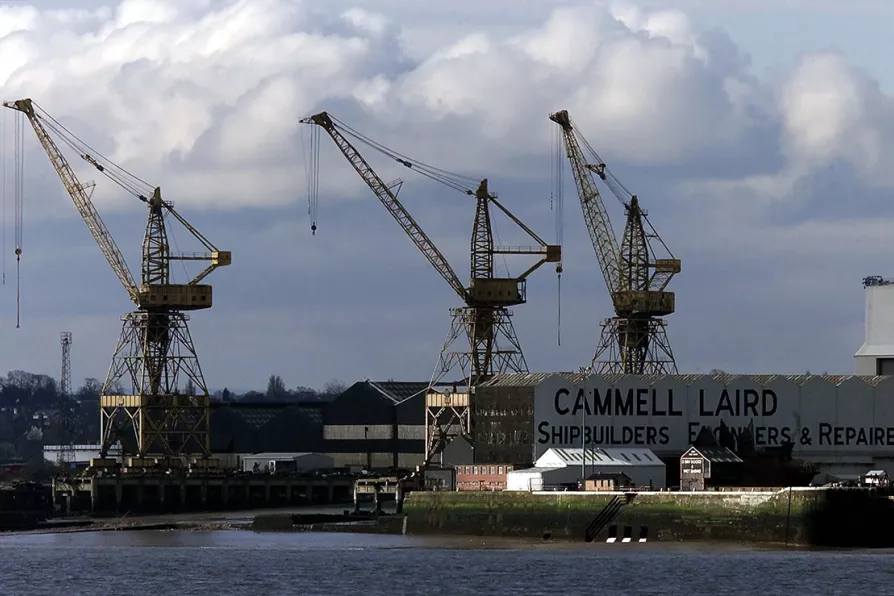
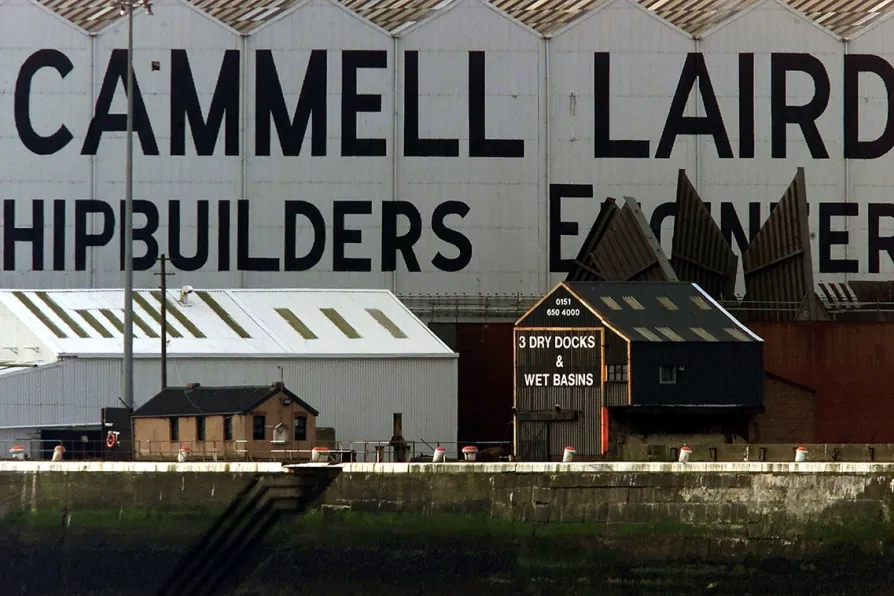
THE GMB will use the setting of this week’s Labour Party conference to vow to secure justice for the Cammell Laird 37 — the largest group ever jailed for trade union activity in modern British history.
This year marks the 40th anniversary of the occupation of the Cammell Laird shipyard in Merseyside. The yard had employed 20,000 workers at its height in the 1940s, but by the early 1980s, this had dwindled to just 2,000 as the Thatcher government pursued a policy of deindustrialisation and the privatisation of British Shipbuilders in 1983.
When a further 800 redundancies were announced in the summer of 1984, the workforce — recognising that the yard now faced an existential threat — took drastic action and occupied an oil rig and blockaded the gangway of the Royal Navy Destroyer HMS Edinburgh.
The occupation was buoyed by support from the local Cammell Laird Occupation Support Group, city council workers and fellow trade unionists, including striking miners.

Similar stories
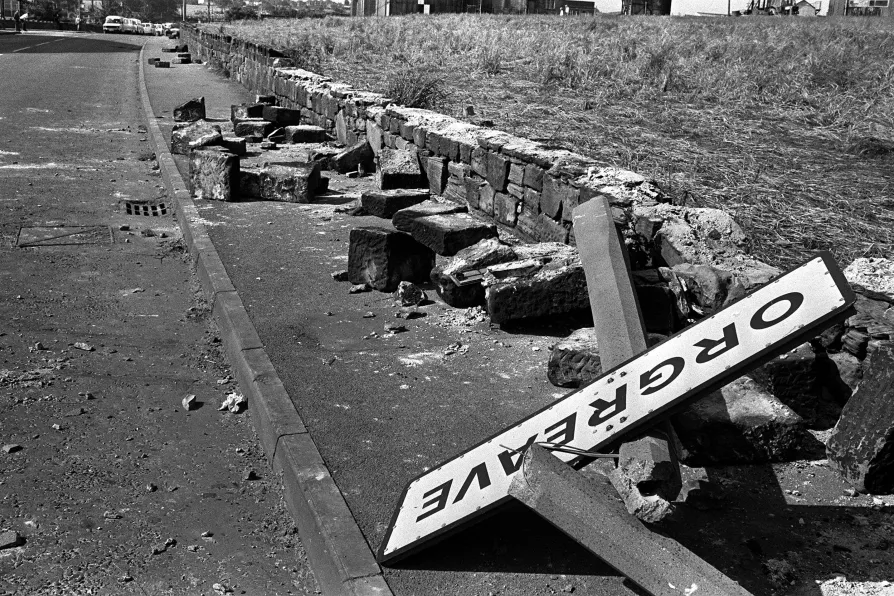
The public inquiry is the result of more than a decade of determined campaigning. Now, those who fought for justice want the full story of government involvement and police conduct to be told, says KATE FLANNERY

The new Employment Rights Act is a step forward, but restoring collective bargaining and union power remains essential to tackling insecurity, outsourcing and low pay, says PAUL WHITEHOUSE

On the 40th anniversary of the Wapping dispute, this Morning Star special supplement traces the long-planned conspiracy that led to the mass sackings of printworkers in 1986 – a struggle whose unresolved injustices still demand redress today, writes ANN FIELD
KIM JOHNSON MP places the campaign in the context of the history of the working-class battles of the 1980s, and explains why, just like Orgreave and the Shrewsbury Pickets before it, justice today is so important for the struggles of tomorrow