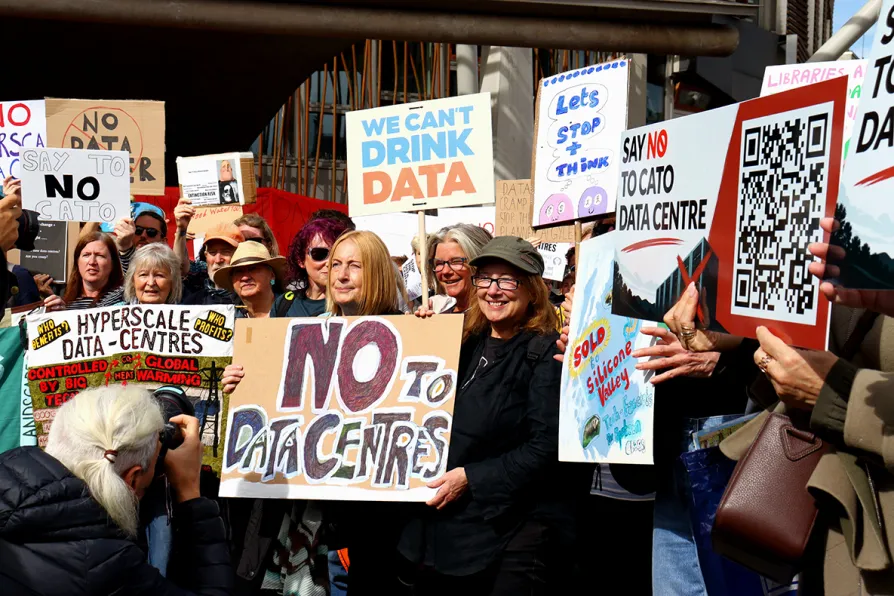
Even the oligarchs of the artificial intelligence industries are warning that their creations have the capacity for the ultimate destruction of the planet and its population. ANDREW MURRAY suggests that there might just be other solutions


 Latest editorial
Wales’s new political reality
Wales reporter DAVID NICHOLSON looks at the political scene as budget rows take centre-stage and Welsh Labour gains a new leader
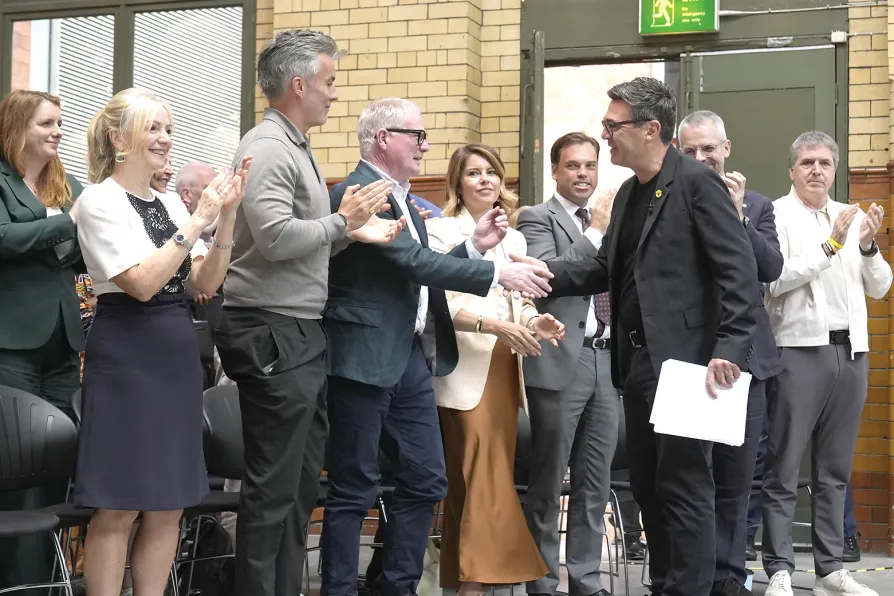 Andy Burnham arrives to deliver a speech at the People’s History Museum, Manchester, June 29, 2026, Ken Skates, new leader of Welsh Labour fourth from right
The Labour government must deliver on its commitment to bring back privatised services into the public sector. This not only saves money but also creates accountability and generates wider social benefits, argues ANDY MCDONALD MP
PCS is demanding the long-overdue return of essential services to public ownership, explains FRAN HEATHCOTE
Despite promises of a new era of insourcing, billions of pounds of public contracts continue to flow to private firms. Unions are now calling for urgent action to bring services back in-house, says EDDIE DEMPSEY
Public ownership of Great British Railways has enormous potential to improve our railway network, but that can’t happen unless jobs, employee rights and union recognition is at the heart of the transition, argues MARYAM ESLAMDOUST
If Labour is genuinely committed to supporting working-class students it must act urgently to reverse the funding crisis affecting universities and colleges, JO GRADY tells Christophe Domec
Challenges from the unscrupulous misuse of AI to steal actors’ voice and physical likenesses is being met with a firm union response, writes LYNDA ROOKE





WALES gained a new political leader this week, and the Welsh government lost its budget as the political reality of a non Labour-led government in the country beds in.
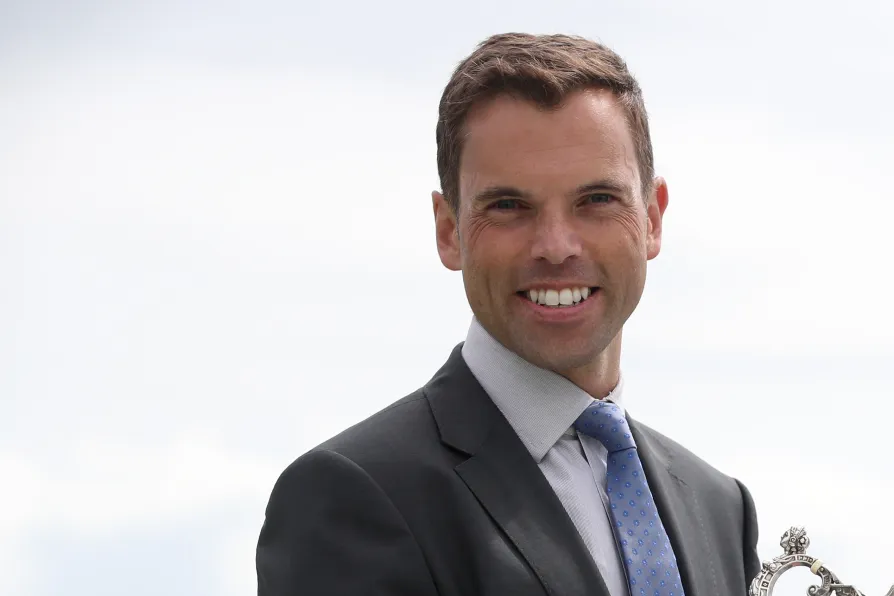
Ken Skates was anointed Welsh Labour’s new leader this week without a contest. This now means that with Rhun ap Iorwerth as Plaid Cymru’s leader and first minister, Wales has two former journalists heading left-of centre political parties. Both Skates and ap Iorwerth are former BBC employees and members of the National Union of Journalists.
This is the second Welsh Labour leader in succession that has not had to face a leadership contest, after former first minister Eluned Morgan was ushered into the leadership by the Labour Senedd group.
Welsh Labour Grassroots members were dismayed at the prospect of Skates’s coronation as leader without the rigour of a leadership debate over how the party lost so convincingly at the election.
The left group were hoping for a public discussion about why the electorate turned against Labour, and what sort of policies will be needed to attract them back.
Part of the problem with Skates is his support for the unfortunate former first minister Vaughan Gething, as both his campaign manager and cabinet minister. Skates was also vociferous in his defence of the £200,000 donation from a convicted criminal to Gething’s campaign fund which did much to undermine Labour’s reputation for probity.
Skates could probably be characterised as centre-left in Westminster Labour terms, but for Wales he is firmly in the centre.
Which brings us to the role he played in voting down the newly elected Plaid Cymru government’s budget earlier this week in the Senedd. The spat between the two parties, and former co-operation agreement allies in Mark Drakeford’s government, has not yet died down.
The Welsh nationalists accused Labour of voting with Reform UK, while Labour accused Plaid of failing children with additional learning needs.
The Welsh government supplementary budget is usually passed through on the nod in the Senedd, as it is nothing much more that changing a few budget lines here and there. But this was Plaid Cymru’s first test in government and it was handed a whopping sum of £350 million in consequential funding.from Westminster spending on children with special educational needs in England.
Welsh Labour insisted the government put £100 million into the ALN spending in Wales in the supplementary budget, while Plaid offered £40m each year for two years. After Skates said that was not enough First Minister Rhun ap Iorweth’s final offer was £40m per year for three years. Plaid went into the budget debate and vote without enough over party votes to get its budget agreed.
A minority government has to buy support to get legislation and budgets through the Welsh Parliament and Plaid were found wanting at negotiating a deal with Labour. For its part Labour was too keen to inflict a bloody nose on its successor in government to find a deal.
Both parties need to realise that if progressives do not co-operate in the Senedd, either informally, or in a more formal arrangement, the only beneficiary will be Reform UK. If voters see an ineffective Welsh Parliament failing to meet its needs and aspirations to lift Wales out of the economic doldrums the far right is waiting in the wings.
Paid Cymru also managed to unite the two head teachers’ unions in Wales by its antics over ALN money, and by ignoring the recommendation of the independent Wales pay review board for education. The recommendation was for an increase of 4.2 per cent for all teachers and head teachers, but without discussions with the education unions the WG said it could only afford to pay 3.5 per cent.
Head teachers’ unions NAHT Cymru and ASCL Cymru wrote to Education Minister Anna Brychan declaring a dispute over pay and ALN funding, and requested the Advisory, Conciliation and Arbitration Service to step in.
This is the first time the two moderate head teachers’ unions have declared a dispute with the Welsh government.
The First Minister’s first public speech was at the TUC Cymru congress back in May and ap Iorwerth declared his government’s continued support for social partnership with the trade unions in Wales.
The union movement has 400,000 members in Wales and social partnership is a legislative necessity in Wales.
But despite the pre-election wooing of trade unions by the Welsh nationalists, Plaid ministers are ignoring requests to meet Welsh unions to discuss areas of concern. The numbers of unions reporting that requests to meet are being ignored is beginning to worry the unions and TUC Cymru.
The failure to sit down with education unions to discuss the pay review recommendations for teachers is alarming. Plaid has an economic strategy to revitalise the Welsh economy, but such grandiose plans requires the support and help of workers and their trade unions.
If Plaid fails to heed the warnings this week that they have to organise a progressive alliance in the Senedd to get its budgets and legislation through then this could be a short-lived parliament.
Similarly, they will not want its term in office bedevilled with industrial strife from discontented unions

Similar stories