
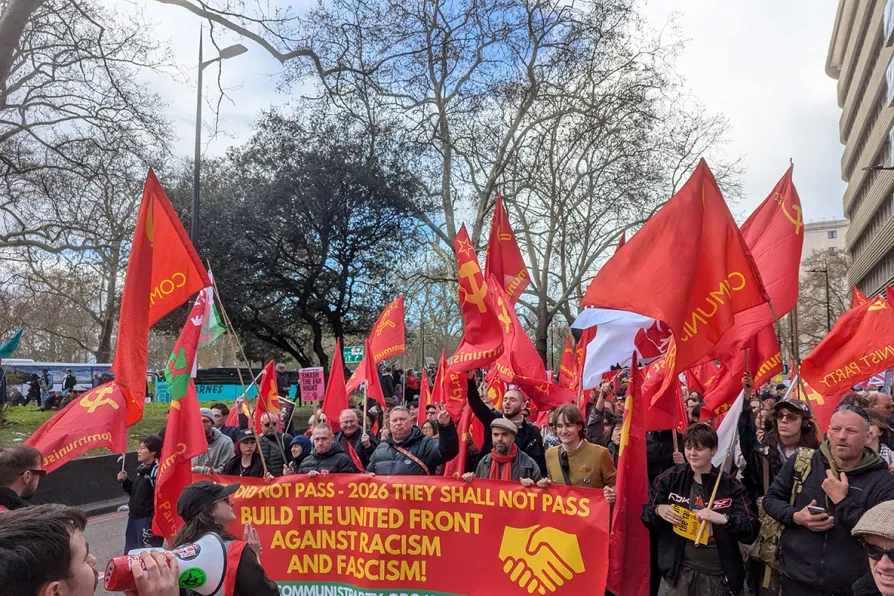
Working people across Britain are fighting back against austerity, war, repression and exploitation. The challenge now is to unite those struggles, says Communist Party of Britain assistant general secretary JOHNNIE HUNTER

The Venezuelan people stay with the Bolivarian revolution
About half of Venezuela’s voting population is reliably wedded to the Bolivarian project. No other political project in Venezuela has the kind of election machine built by the forces of the Bolivarian revolution, argues VIJAY PRASHAD
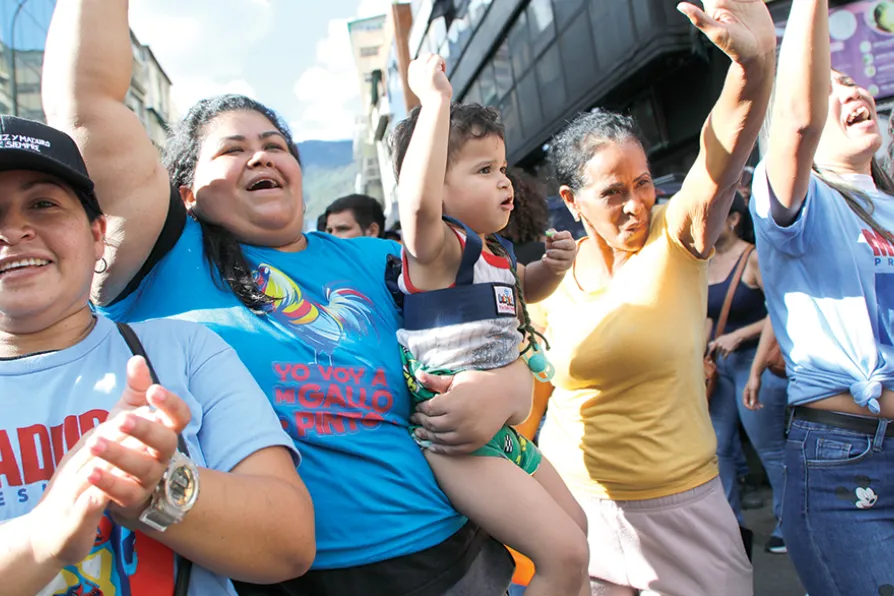
 OVERWHELMING JOY: Government supporters rally in defense of President Nicolas Maduro’s reelection in Caracas on Wednesday, three days after the country’s presidential election
Train drivers’ union Aslef general secretary DAVE CALFE speaks to Ben Chacko about his hopes that Burnham’s devolution agenda will include the importance of the railway
DIANE ABBOTT provides an analysis of the reasons for EU and British voters’ dramatic swing to the right
MAT COWARD has heaps of good advice on recycling garden and household waste over the winter
The UK Prime Minister may have the regal touch in northern England, but he’s been wrong-footed on the constitutional challenges posed by the Celtic Alliance of first ministers from Scotland, Wales and Northern Ireland, argues KENNY MacASKILL
A look at Taylor Wimpey’s accounts shows why Labour’s market-led housing strategy won’t deliver more, cheaper homes, as promised, says SOLOMON HUGHES
Challenges from the unscrupulous misuse of AI to steal actors’ voice and physical likenesses is being met with a firm union response, writes LYNDA ROOKE





ON JULY 28, the 70th birthday of Hugo Chavez (1954-2013), Nicolas Maduro Moros won the Venezuelan presidential election, the fifth since the Bolivarian constitution was ratified in 1999.
In January 2025, Maduro will start his third six-year term as president. He took over the reins of the Bolivarian revolution after the death of Chavez from pelvic cancer in 2013.
Since the death of Chavez, Maduro has faced several challenges: to build his own legitimacy as president in the place of a charismatic man who came to define the Bolivarian revolution; to tackle the collapse of oil prices in mid-2014, which negatively affected Venezuela’s state revenues (over 90 per cent of which were from oil exports); and to manage a response to the unilateral, illegal sanctions deepened on Venezuela by the United States as oil prices declined.

Similar stories
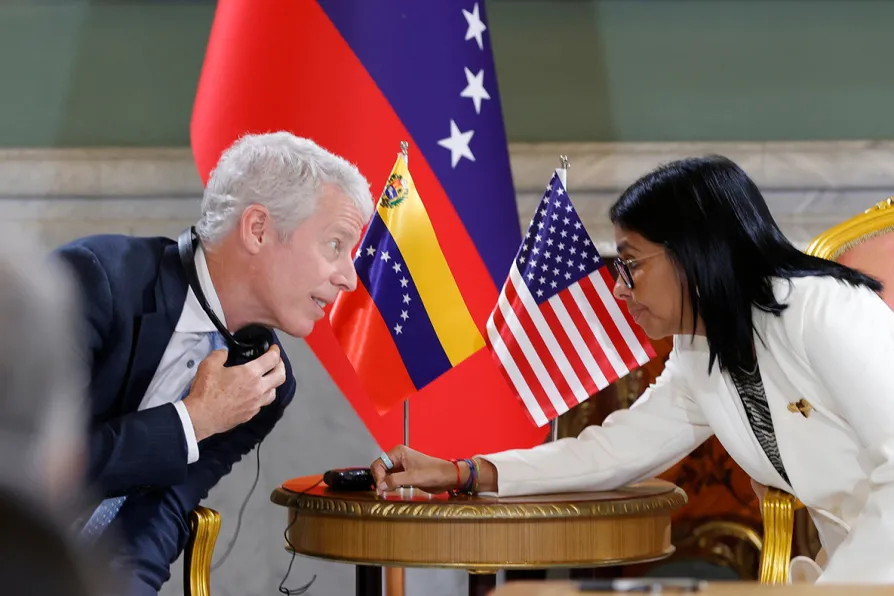
Whatever differences exist among international sympathisers of the Bolivarian revolution about its current trajectory, they should unite against the imperialist power that is the source of an enforced retreat, argues ROGER D HARRIS
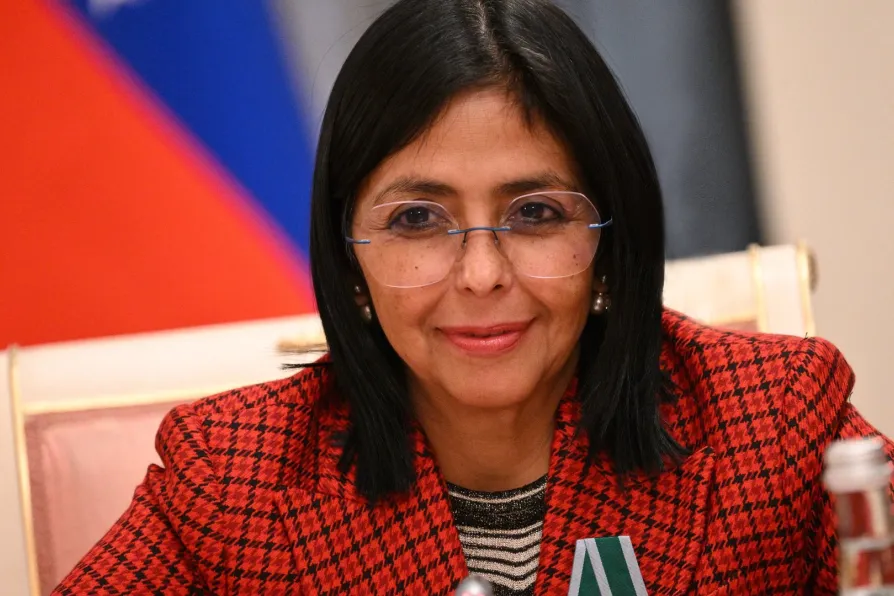
Concessions to Washington by the post-Maduro leadership in Caracas are designed to preserve the core of the Bolivarian Revolution not betray it, argue Roger D Harris, Francisco Dominguez and Mara Paez Victor. How the solidarity movement responds is critical
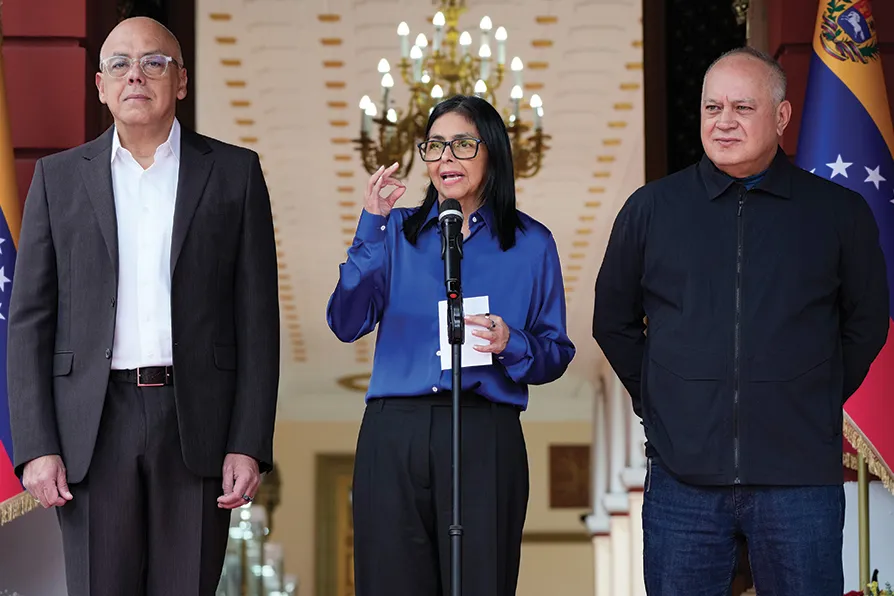
International solidarity can ensure that Trump and his machine cannot prevail without a level of political and economic cost that he will not want to pay, argues CLAUDIA WEBBE
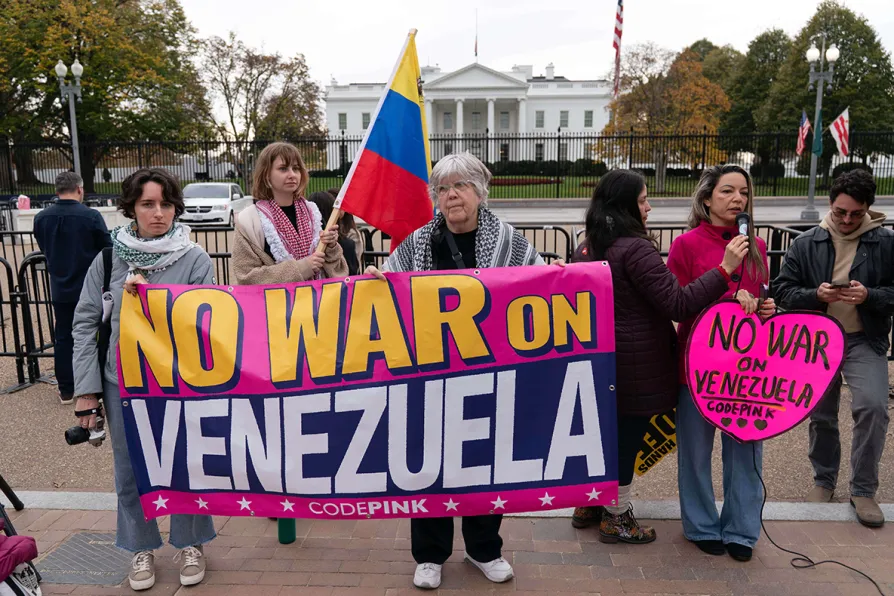
The global left must be unwavering in it is support for Venezuela as Washington increases its aggression, and clear-eyed about the West’s cynical motives for targeting it, says CLAUDIA WEBBE