
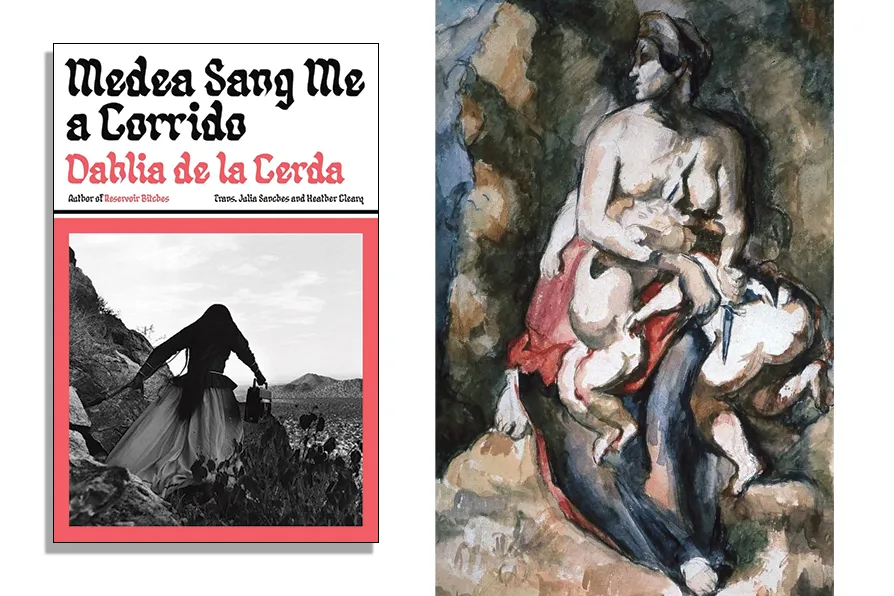
In a season of Greek mythology NIAMH THORNTON looks at an intriguing relocation of Medea to contemporary Mexico


US border warfare
SIMON PARSONS investigates a play that is neither a family drama representative of a polarised US, nor symbolic drama of violent isolationism
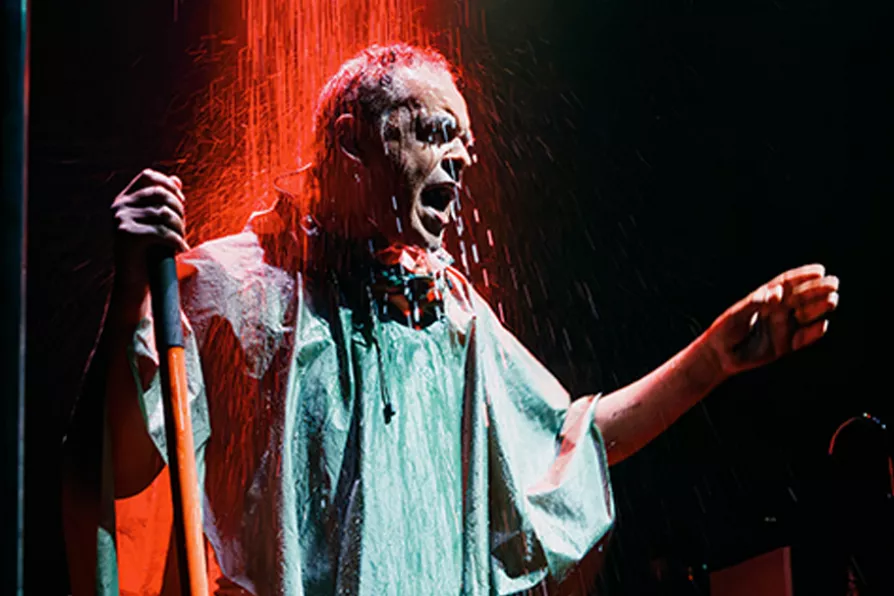
 CHARACTER OR SYMBOL? Peter De Jersey as Vet in Suzan-Lori Parks The Book of Grace
[Alex Brenner]
CHARACTER OR SYMBOL? Peter De Jersey as Vet in Suzan-Lori Parks The Book of Grace
[Alex Brenner]
By chance, RENATA MEDEIROS MIRRA comes across a fine new two hander about the enduring legacy of the Miners' strike
Rescue care from the realm of sentimentality: what happens when we replace the vertical relationship between benefactor and victim with interdependence, collective organisation and struggle?
New releases by Interpol, Phoebe Bridgers, Lambchop
ANGUS REID urges us to understand the persecution of Jason Arday from a political and historical perspective, and to see the victim in human terms
Re-releases of the classics Gypsy Rhumba and Buena Vista Social Club, and a stunning album by Palestinian artist Faris Ishaq
Nothing, says ANDY HEDGECOCK, can rescue this undistinguished amalgam of ponderous melodrama and shallow philosophical speculation





The Book of Grace
Arcola Theatre, London
THIS three-hander by Pulitzer Prize-winning playwright Suzan-Lori Parks could have been a straightforward domestic drama, with the return of an estranged son and former soldier to the house of his domineering, xenophobic, border-guard father, Vet, on the entreaty of his eternally optimistic wife, Grace, who believes reconciliation is possible.
The scaffold and barbed-wire border fence spanning the living room set, and the divergent opening monologues delivered by the isolated characters, immediately divests us of such a simple reading.
Vet, played with unpredictable hostility and simmering fury by Peter De Jersey, reveres the fence and his uniform. Ambivalent about his son’s return, he is concerned that Buddy will intrude on his vigilant isolationism and steal some of the limelight from an upcoming award ceremony in his honour.

Similar stories
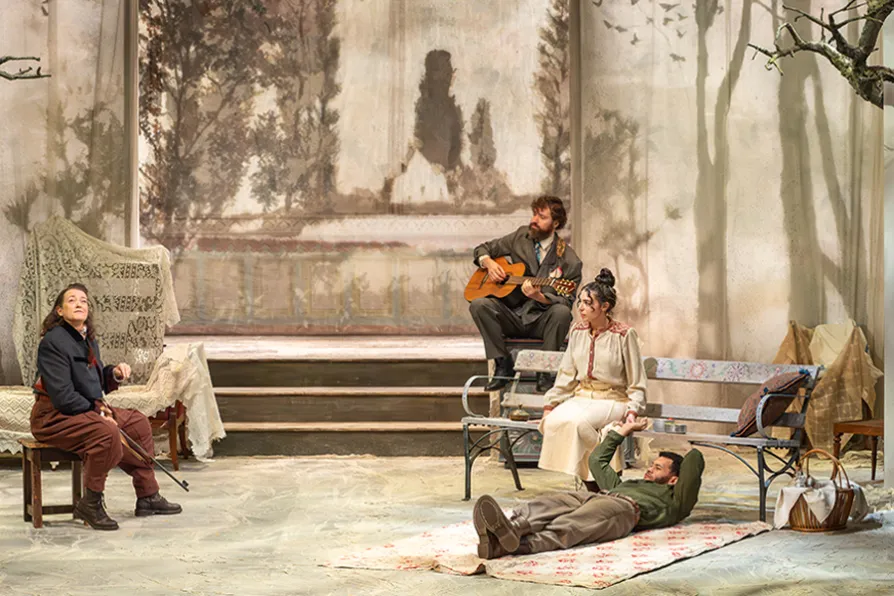
GORDON PARSONS appreciates fine performances and a feel for ambiguity, but misses the music of the dialogue
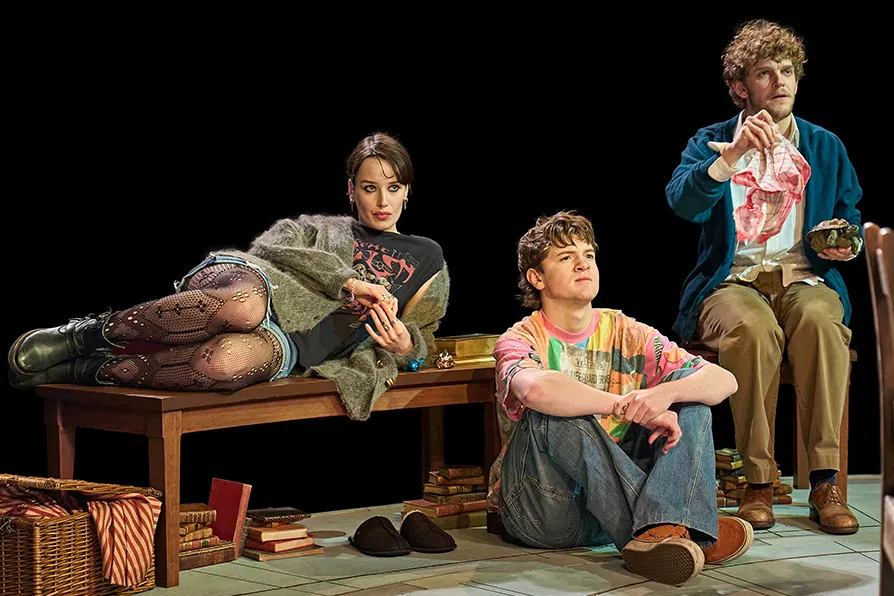
MARY CONWAY becomes impatient with the intellectual self-indulgence of Tom Stoppard in a production that is, nevertheless, total class
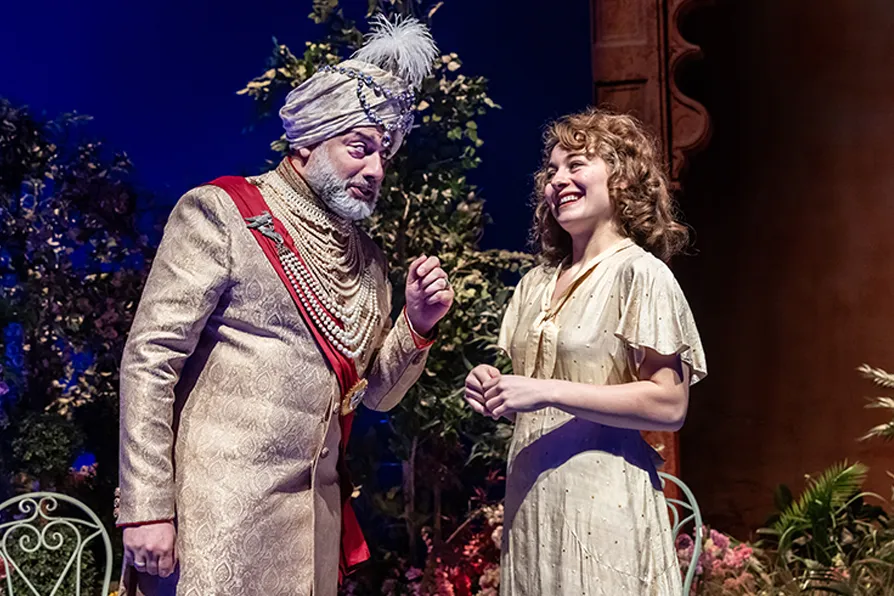
Although this production was in rehearsal before the playwright’s death, it allows us to pay homage to his life, suggests MARY CONWAY
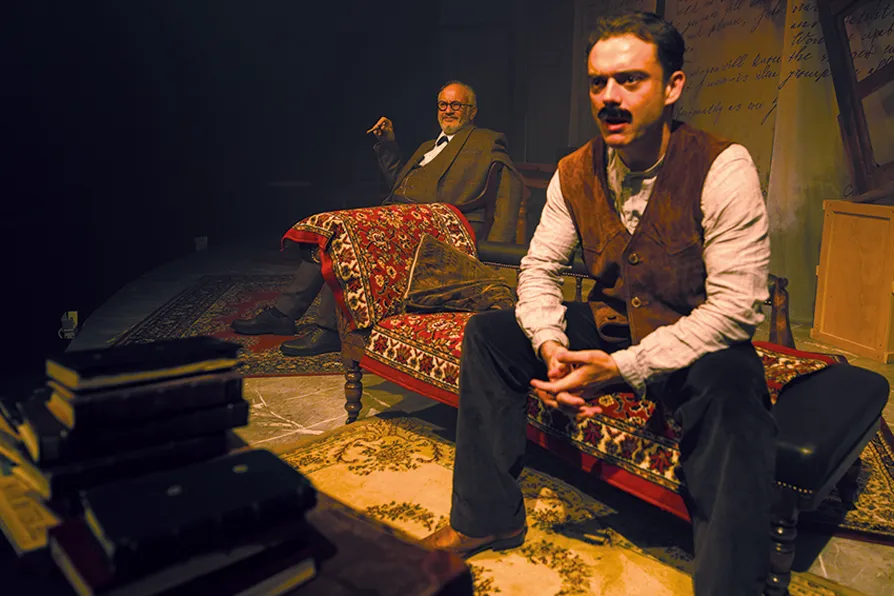
JAN WOOLF is beguiled by the tempting notion that Freud psychoanalysed Hitler in a comedy that explores the vulnerability of a damaged individual