Preferable to Starmer he may be, but there is scant sign of a sharp political break in Burnham’s policies so far — while left challenges aren’t making much of a running either, finds ANDREW MURRAY. How can socialism be put back on the map?


 Latest editorial

The Tories are beefing up state powers ahead of a post-Covid world
‘SpyCops’ will centre on post-Covid protest groups, writes Bernard Regan

CHARLEY ALLAN reports from Clacton on Farage’s fears his by-election stunt has backfired
JEREMY CORBYN says we should never forget the horrific reality of nuclear weapons, or cease our efforts to rid the planet of them entirely
The new TUC Cymru general secretary speaks to Morning Star Wales reporter David Nicholson about her trade union background and ambitions for the movement
Internationalism is deeply embedded in socialist theory and practice. Examination illuminates its complexity asserts the Marx Memorial Library and Workers’ School
The Claudia Sheinbaum government is no pushover and is holding firm despite US abuses of the relationship, says DAVID RABY
As we approach the grim anniversaries of Hiroshima and Nagasaki, SIMON BARROW sounds the alarm over the dangerous and murderous direction our government is heading





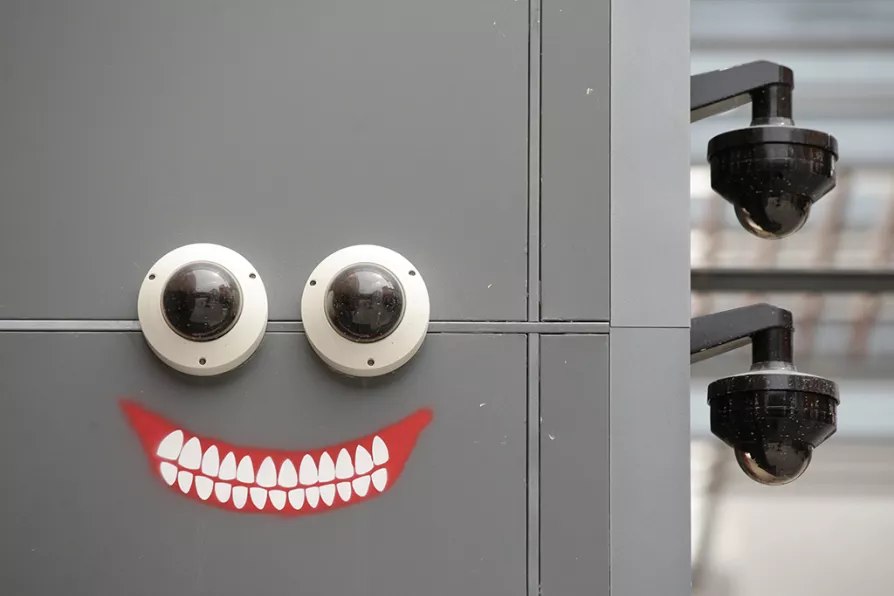
The Covert Human Intelligence Sources Bill (CHIS Bill/SpyCops Bill) has moved into the House of Lords. If the Bill becomes law it will legitimise a broad range of agencies, including for example the Food Standards Agency, to authorise undercover spying.
Despite claims to the contrary it places no constraints on actions, failing to rule out murder, torture or violation of the sexual integrity of individuals.
The Tories are pushing the Bill through at a time when the Undercover Policing Inquiry, set up in 2015, to investigate undercover policing in England and Wales since 1968, has still not completed its work.
That inquiry is looking at the work of the Special Demonstration Squad (SDS) and the National Public Order Intelligence Unit (NPOIU) and is investigating the cases of male undercover police officers who entered into and maintained intimate relationships with women activists engaged in anti-racist campaigning, environmental activism, the trade unions and a range of labour-movement and left political organisations.
The revelations from the inquiry expose the fact that the overwhelming focus of the SpyCops has been on members of the trade-union and labour movement.
This evidence is backed up by recently released Cabinet papers for the 1980s which demonstrate that extensive spying took place on trade unionists under the direction of the then Prime Minister, Margaret Thatcher.
An interdepartmental Committee on “Subversion in Public Life,” composed of representatives of every major government department, discussed regular reports on the activities of trade unionists and their political affiliations and monitored their actions.
They paid special attention to unions like the CPSA (now part of PCS), NALGO (now UNISON) and the NUT (now NEU). Elsewhere, other agencies carried out spying.
A 30-year covert operation was carried out against workers in the building industry by The Consulting Association (TCA) which checked names provide to them by companies like Carillion, Balfour Beatty, Skanska, Kier, Costain, McAlpine and more than 30 other companies.

Similar stories
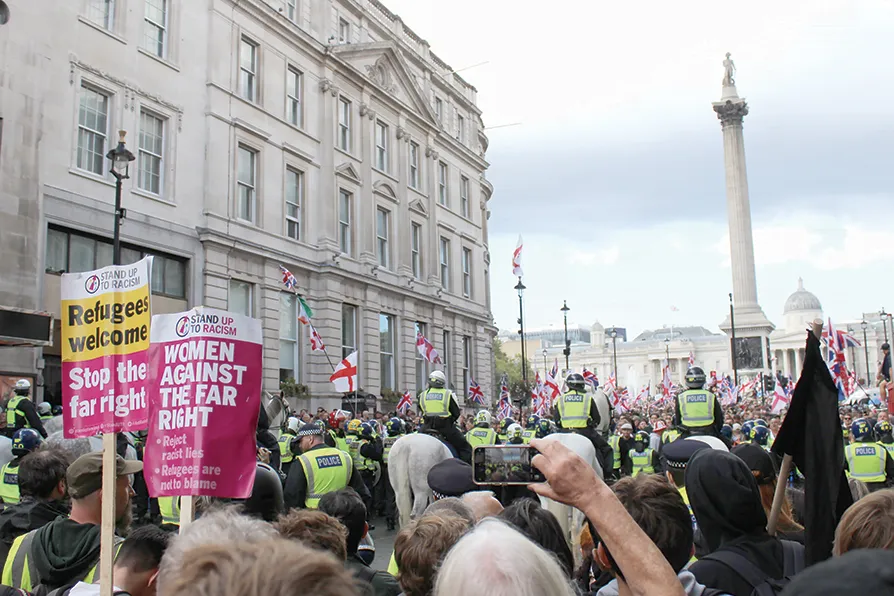
As extremist movements grow on the streets and at the ballot box, the emergence of the Together Alliance points to a vital strategy: unity across trade unions, campaigners and communities, says TONY CONWAY
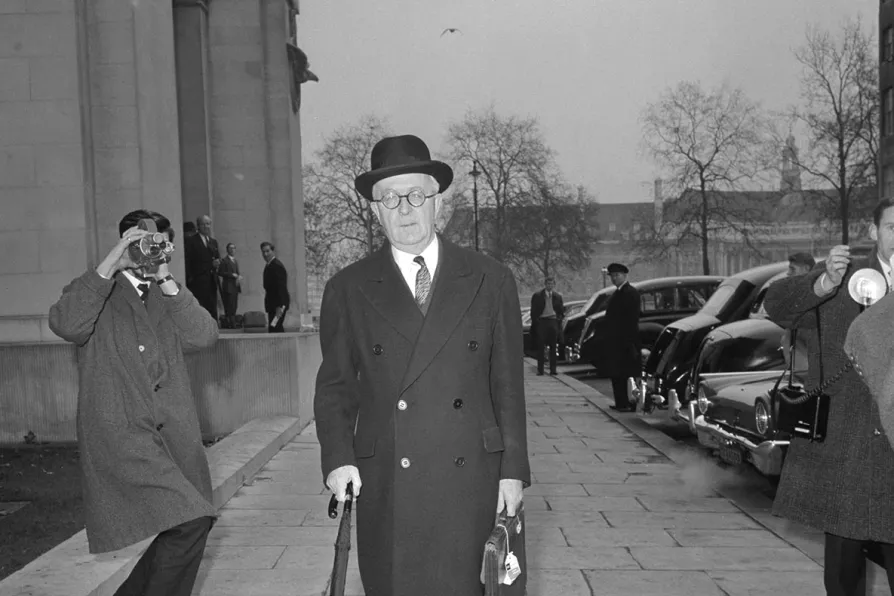
In part II of a serialisation of his new book, JOHN McINALLY explores how witch-hunting drives took hold in the Civil Service as the cold war emerged in the wake of WWII