TUC president and POA leader STEVE GILLAN speaks to Ben Chacko on the eve of Congress 2026


 Latest editorial
Take the fight to the government
As the NEU meets for its annual conference, teacher and union rep ROBERT POOLE reflects on the most intense period of industrial action in his teaching career
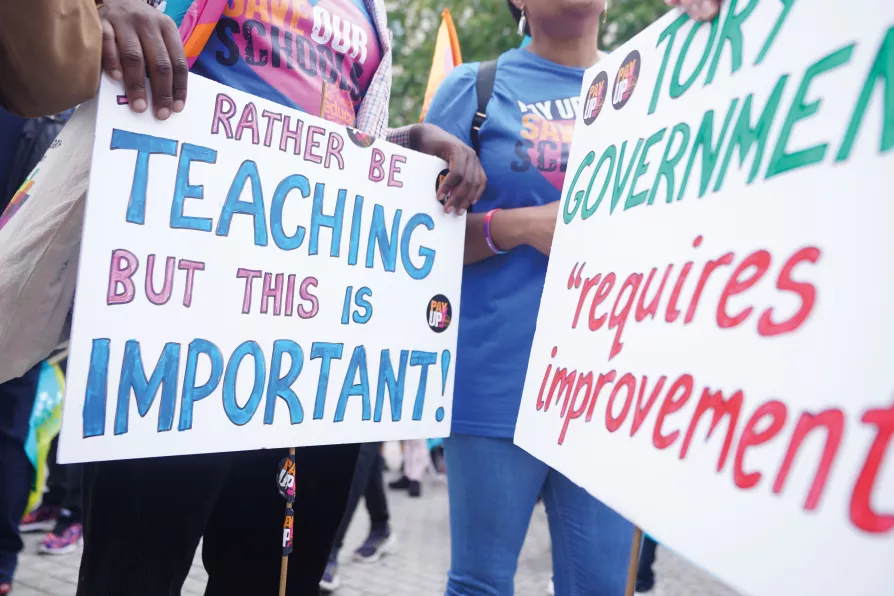 ON THE FRONT FOOT: NEU members take part in a rally through Westminster to Parliament Square, London

DOUG NICHOLLS welcomes a turning point at this year’s Congress, where many motions call for a co-ordinated plan to revive British industry, a perspective outlined in his new book
HOPE VIRGO of campaign Dump the Scales warns MPs voting today they should be alert to the threat legalised assisted death poses to people with eating disorders
The Together Alliance is hosting two summits, North and South, to build power and plan action against the scourge of racism peddled by the right. DANIEL KEBEDE urges mass participation
The drift toward militarisation in Europe is not inevitable, left-wing and peace movements can preserve sovereignty and prevent war, says DÁIRE HUGHES MP
Whatever differences exist among international sympathisers of the Bolivarian revolution about its current trajectory, they should unite against the imperialist power that is the source of an enforced retreat, argues ROGER D HARRIS
Trade unions need to step up and force a turn in the policies of the labour movement to effectively confront the far-right threat, argues NICK WRIGHT





THIS academic year so far has felt strange. A bit anticlimactic even, after such an intense year of industrial action in education. In fact in 2023 I was on strike for more days than in the last 12 years of my teaching career.
After the most intensive industrial action in the history of the National Education Union (NEU) the executive committee recommended that members accept the offer set out by the government. A 6.5 per cent pay rise and £900 million additional funding came with assurances that this funding would not come from front-line school or college budgets.
With the executive, outgoing general secretaries and the incoming general secretary all in favour of the deal it was inevitable that the membership would accept the offer. And so they did in large numbers.

Similar stories
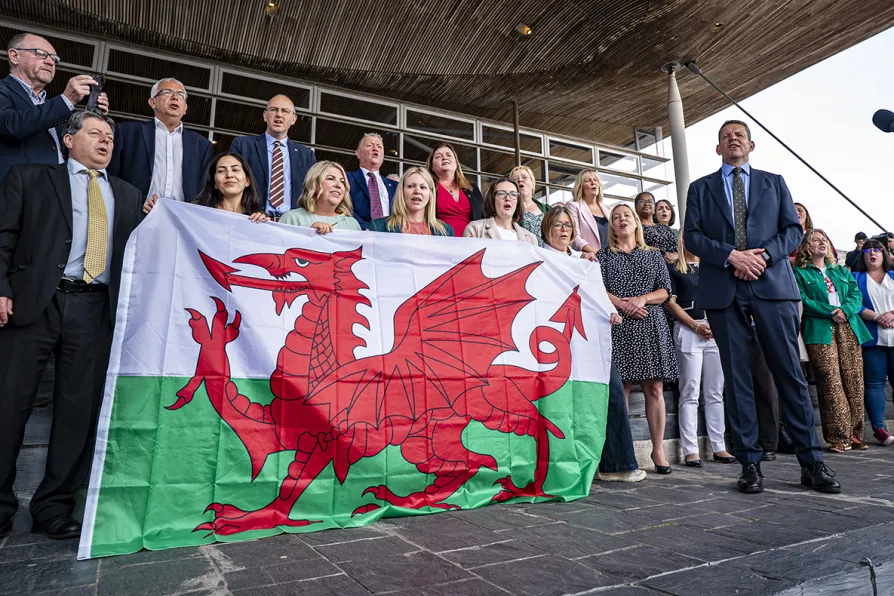
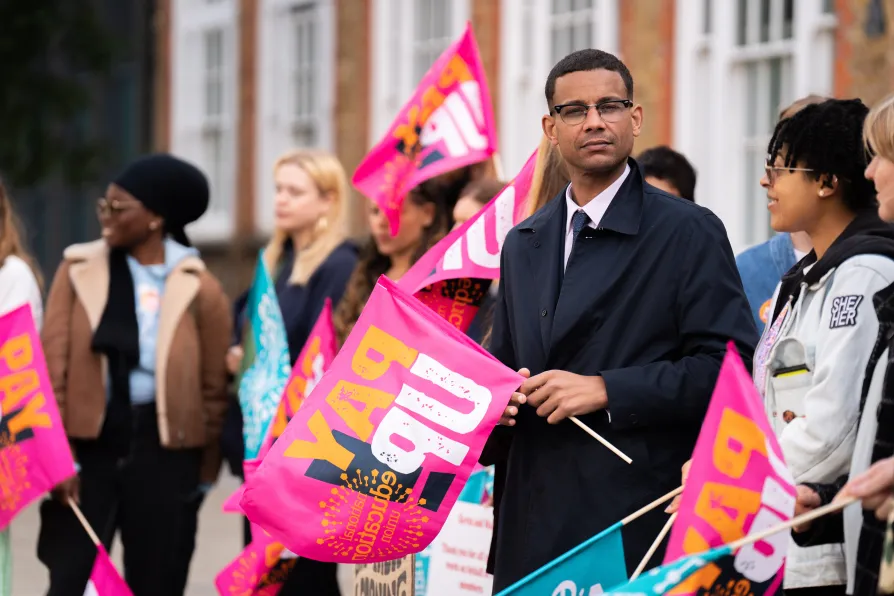
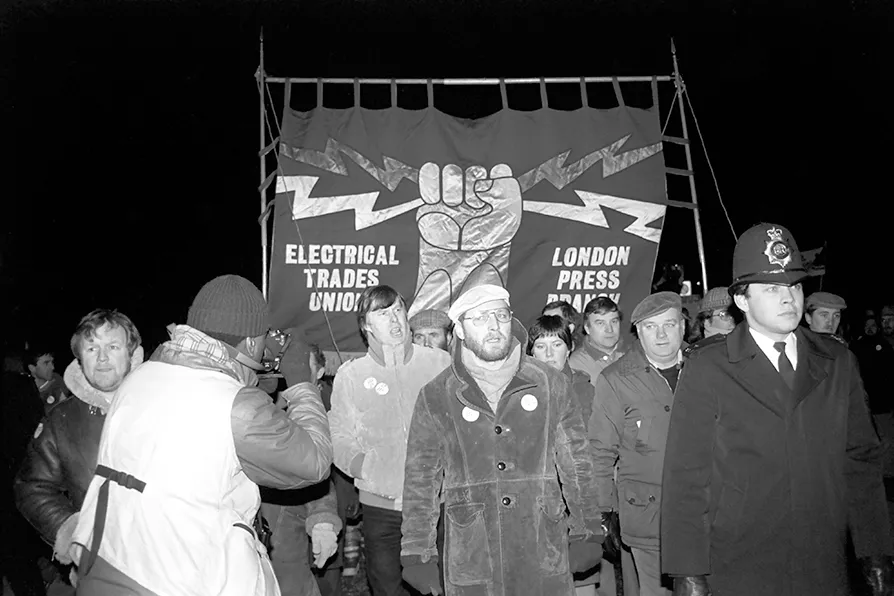
A past confrontation permanently shaped the methods the state will use to protect employers against any claims by their employees, writes MATT WRACK, but unions are readying to face the challenge
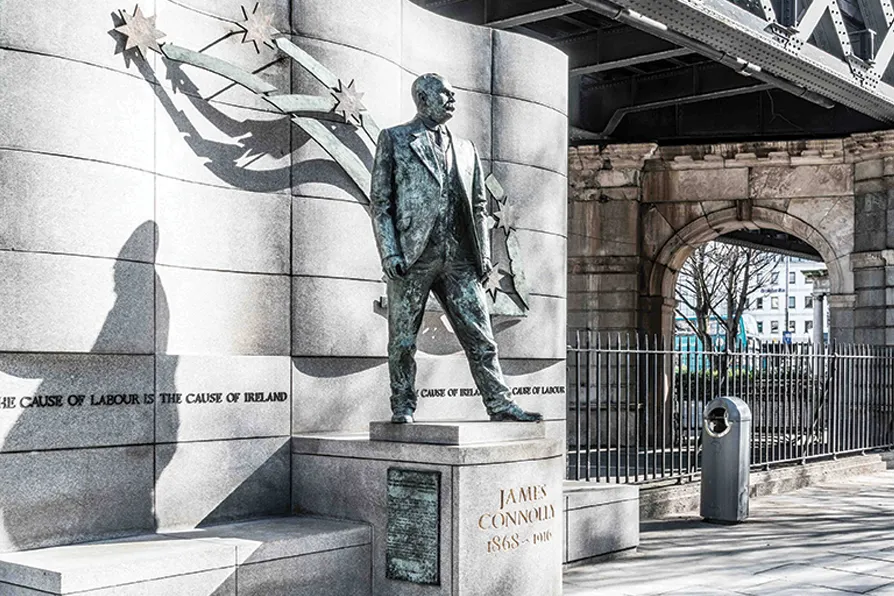
A new group within the NEU is preparing the labour movement for a conversation on Irish unity by arguing that true liberation must be rooted in working-class solidarity and anti-sectarianism, writes ROBERT POOLE