
The US administration is endangering lives by reversing environmental protection laws, CHAUNCEY K ROBINSON argues

Sudan’s health crisis, from war zones to refugee camps
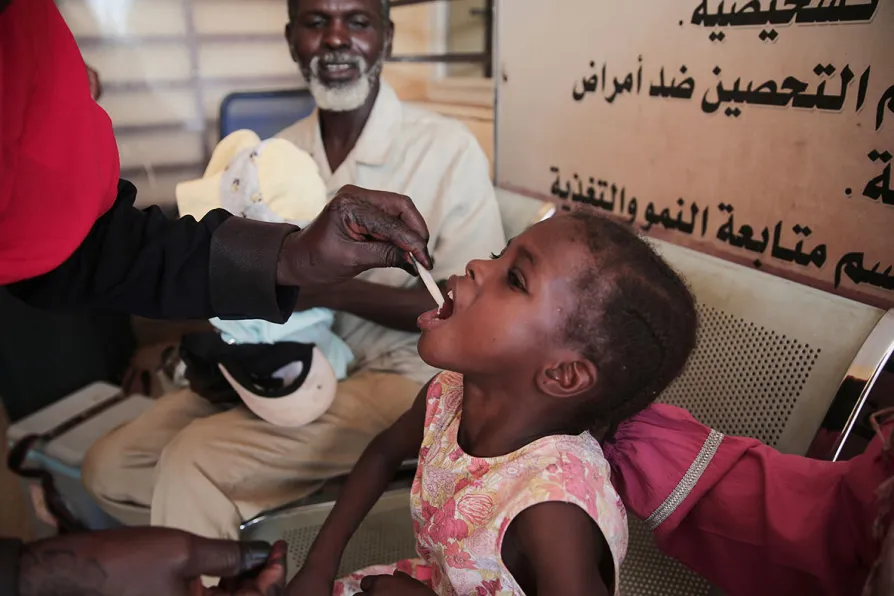
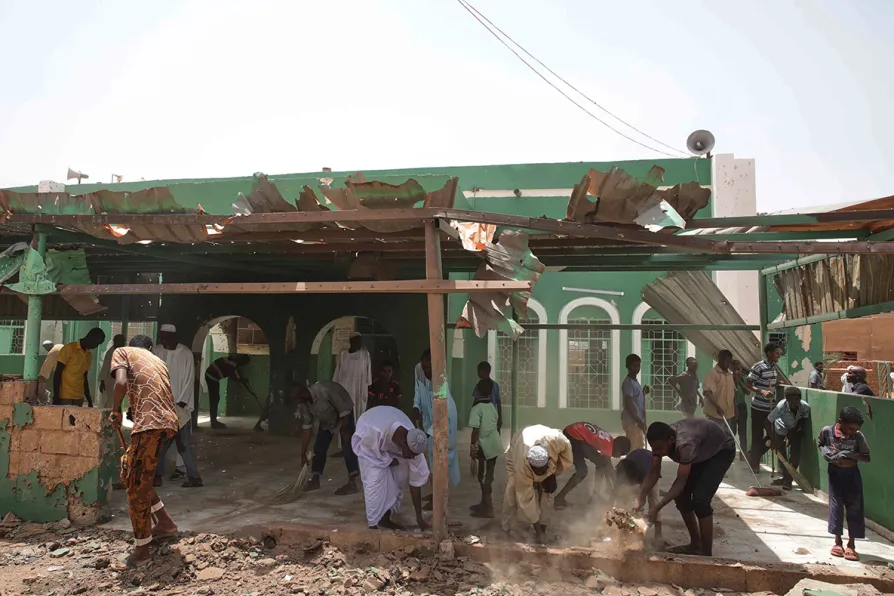
The health crisis in Sudan has reached critical levels due to the widespread destruction of hospitals, collapsed sanitation infrastructure, and mass displacement of the population, writes ANA VRACAR

 General Mohammed Hamdan Dagalo, the deputy head of the military council, speaks at a ceremony in the capital Khartoum, Sudan, August 4, 2019

It’s time to stop retreating and go on the offensive to promote working-class interests, argues DOUG NICHOLLS
Marco Rubio wants to defeat socialism in Nicaragua, not restore ‘democracy,’ writes JOHN PERRY
Believe it or not, there was a time when the US government built beautiful homes for working‑class Americans to deal with a housing shortage, writes ERAN BEN-JOSEPH
DIANE ABBOTT provides an analysis of the reasons for EU and British voters’ dramatic swing to the right
Train drivers’ union Aslef general secretary DAVE CALFE speaks to Ben Chacko about his hopes that Burnham’s devolution agenda will include the importance of the railway





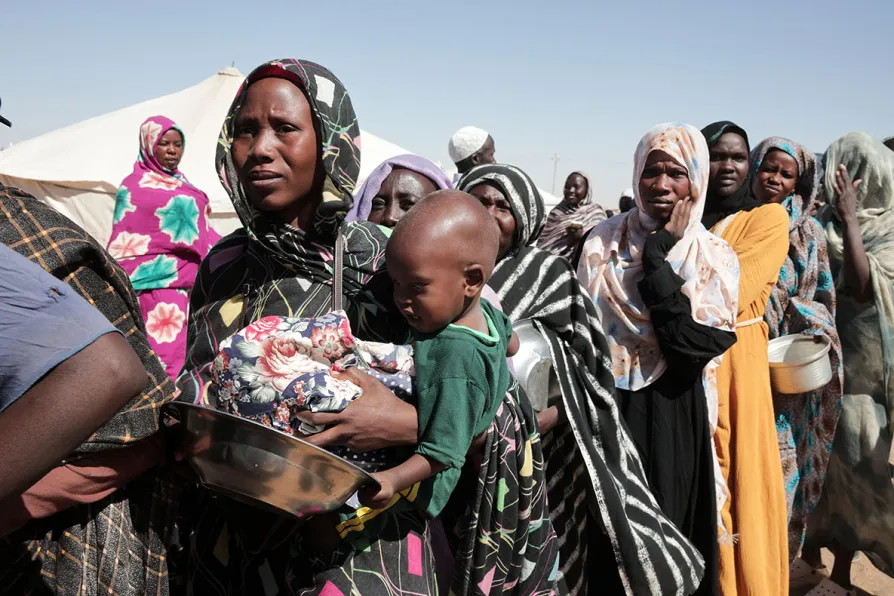
IN areas where forcibly displaced people from Sudan are living, basic necessities are non-existent, says Dr Ihsan Fagiri, a physician and member of the Sudanese Communist Party.
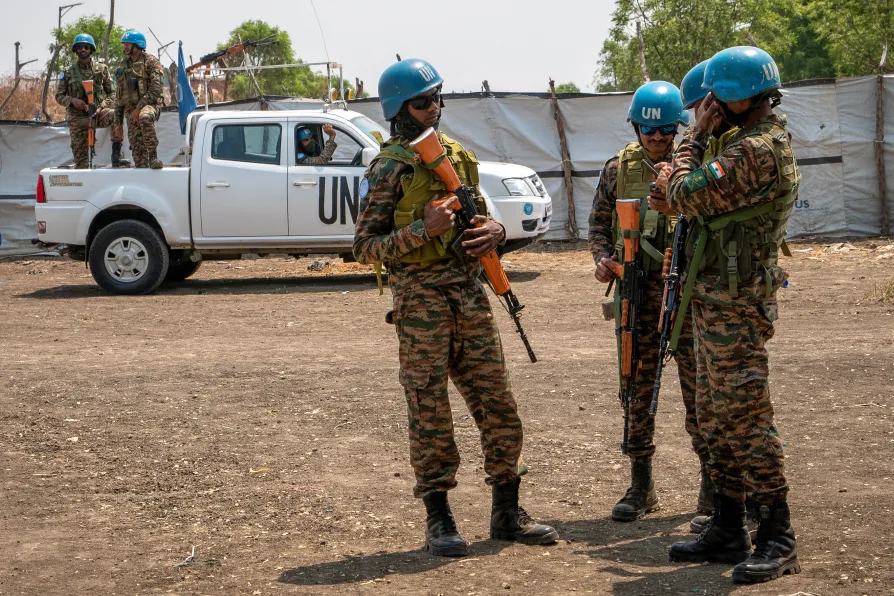
For over a year, the Sudanese Armed Forces (SAF) and Rapid Support Forces (RSF) have been engaged in a bloody conflict, forcing thousands to flee their homes. Some are living in forests, while others tried to find refuge in neighbouring countries like Chad.
However, without adequate support from international organisations, these camps have become breeding grounds for disease outbreaks. According to Fagiri, health activists worldwide should prioritise the establishment of clinics in the camps to protect hundreds of thousands of people from complications arising from treatable diseases.

Similar stories
MAISSON HASSAN highlights how amid bombed-out cities and collapsing hospitals, women-led initiatives are keeping communities alive