


Statue of Oliver Tambo unveiled in north London

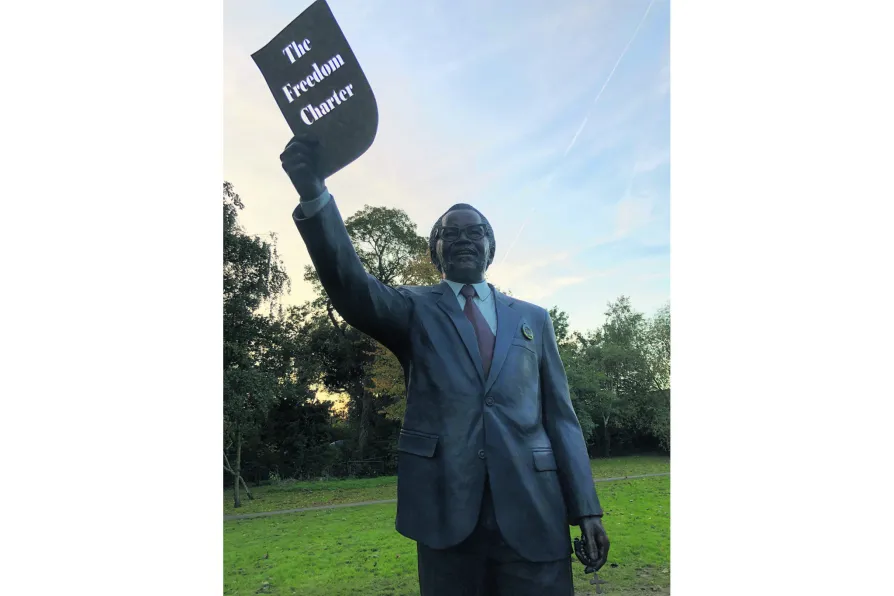
A NEW statue of South African revolutionary Oliver Tambo has been unveiled as a tribute to the man who kept the “flame of hope burning” against apartheid.

The monument is in Albert Road Recreation Ground, north London, near to the house of the longstanding president of the African National Congress (ANC).

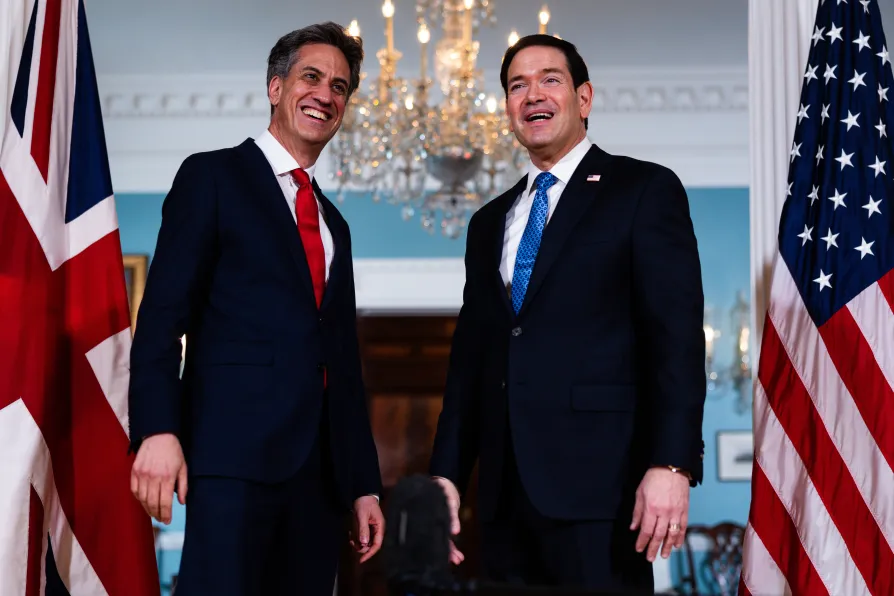
The event was attended by ANC veterans and the South African embassy, as well as Labour MPs Bambos Charalambous, Catherine West and shadow foreign secretary Emily Thornberry.

The 95th Anniversary Appeal
Support the Morning Star
You have reached the free limit.
Subscribe to continue reading.
Similar stories
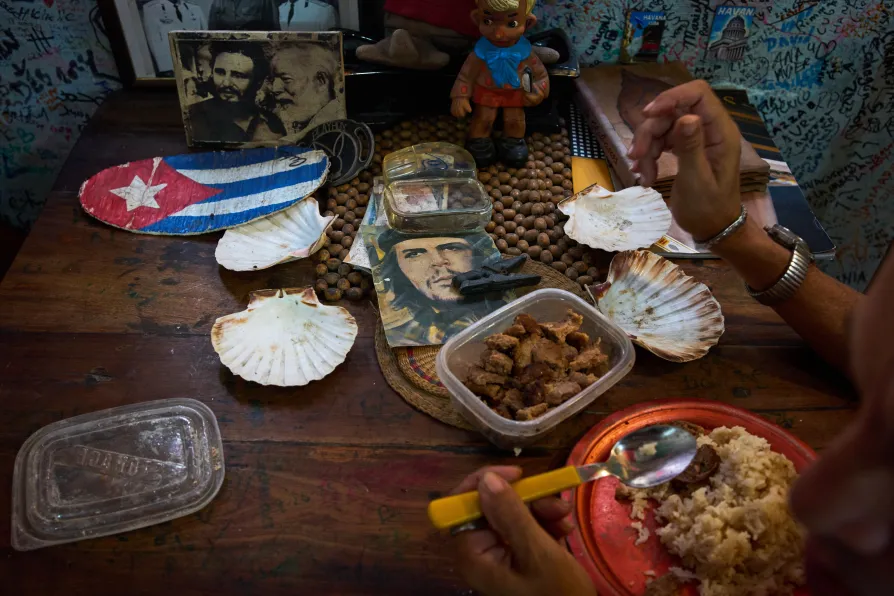
A souvenir shop worker eats next to images of Che Guevara, Fidel Castro, and Ernest Hemingway in Havana, Tuesday, June 2, 2026
Features / 11 June 2026
11 June 2026

Cuba continues to embody a vision of internationalism that imperialism has never forgiven, argues ZOLTAN ZIGEDY
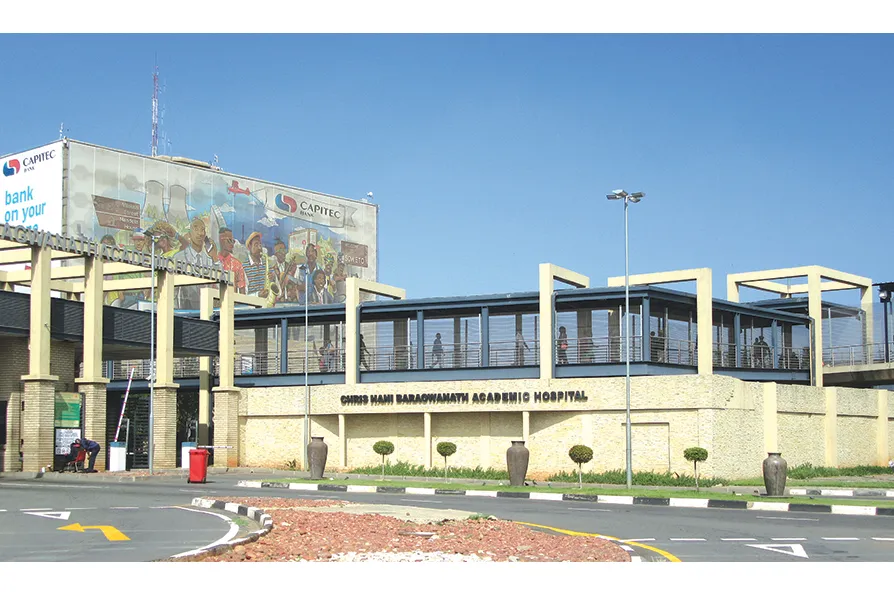
Pic: Chris Hani Baragwanath Hospital only hospital in Soweto and the largest in sub Saharan Africa in 2017 / Pic: amanderson2/CC
Features / 22 May 2026
22 May 2026

ROGER MCKENZIE recalls the one-in-a-generation communist leader murdered at the dawn of a new South Africa 33 years ago last April 10
CHANGING TIMES: Delegates at a South African Communist Party national congress at the University of Johannesburg. Photo: GCIS/Creative Commons
Features / 17 July 2025
17 July 2025

The shared path of the South African Communist Party and the ANC to the ballot box has found itself at a junction. SABINA PRICE reports

HISTORIC DREAM UNFULFILLED: The Freedom Charter seen here written on the wall of a cell in the Palace of Justice in Pretoria during the 1964 Rivonia Trial, where Nelson Mandela was sentenced to life imprisonment. Photo: Creative Commons — PHParsons
Features / 7 July 2025
7 July 2025

The charter emerged from a profoundly democratic process where people across South Africa answered ‘What kind of country do we want?’ — but imperial backlash and neoliberal compromise deferred its deepest transformations, argues RONNIE KASRILS