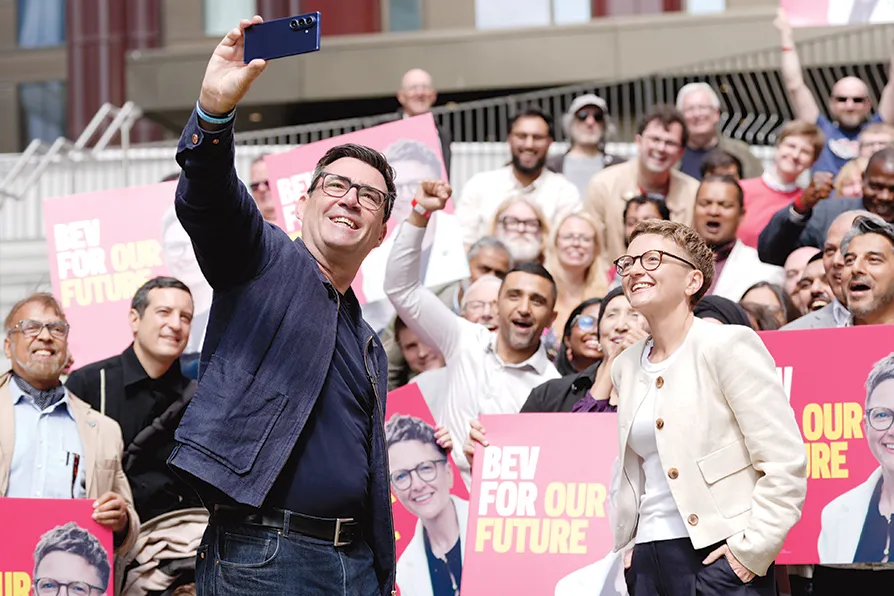
Preferable to Starmer he may be, but there is scant sign of a sharp political break in Burnham’s policies so far — while left challenges aren’t making much of a running either, finds ANDREW MURRAY. How can socialism be put back on the map?


 Latest editorial

State terrorism and Ukraine
Earlier this month the Kiev regime admitted the murder of an opposition politician, so why is it being ‘rewarded’ with EU accession talks as if nothing had happened, asks German Bundestag member SEVIM DAGDELEN
 Ukrainian President Volodymyr Zelensky attends a press conference at the Norway government's representative residence in Oslo, December 13, 2023
CHARLEY ALLAN reports from Clacton on Farage’s fears his by-election stunt has backfired
JEREMY CORBYN says we should never forget the horrific reality of nuclear weapons, or cease our efforts to rid the planet of them entirely
The new TUC Cymru general secretary speaks to Morning Star Wales reporter David Nicholson about her trade union background and ambitions for the movement
Internationalism is deeply embedded in socialist theory and practice. Examination illuminates its complexity asserts the Marx Memorial Library and Workers’ School
The Claudia Sheinbaum government is no pushover and is holding firm despite US abuses of the relationship, says DAVID RABY
As we approach the grim anniversaries of Hiroshima and Nagasaki, SIMON BARROW sounds the alarm over the dangerous and murderous direction our government is heading





ON DECEMBER 6, the Ukrainian opposition politician Ilya Kyva was murdered in Moscow. The Ukrainian military intelligence service claimed responsibility for the crime. On December 14, the EU opened accession negotiations with Ukraine.
These two events are not only related in terms of time, but also in terms of substance. So although Ukraine had admitted responsibility for a political murder abroad for the first time little more than a week earlier, the EU heads of state and government considered Ukraine’s prerequisites for democracy and the rule of law to be fulfilled in order to pave the way for Kiev to join the EU.
However, anyone who thinks that these two things are contradictory could be sorely mistaken. The German government’s answer to my question about the murder of Kyva speaks a completely different language.

Similar stories
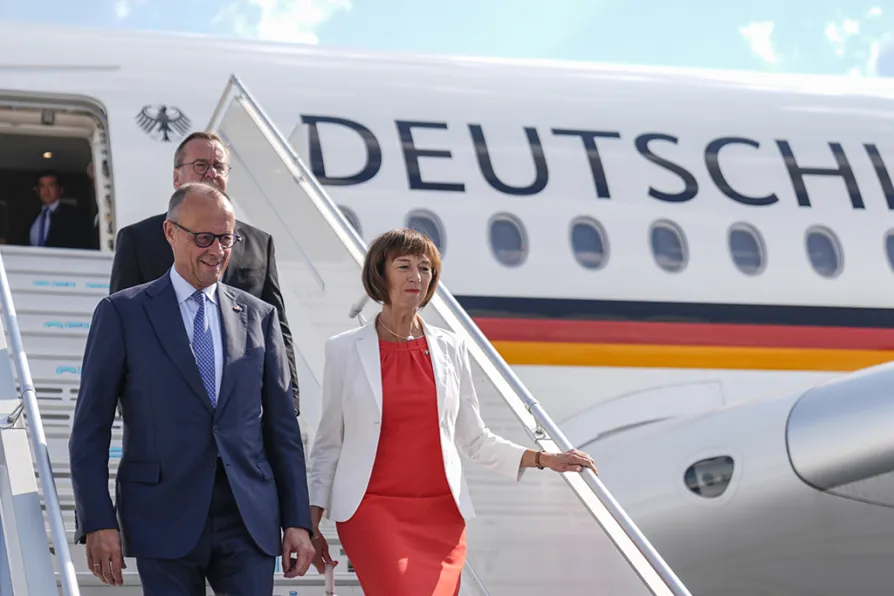
SEVIM DAGDELEN says European Nato states are escalating ever closer to direct conflict with a nuclear power, and sacrificing welfare states built up over a century to finance it
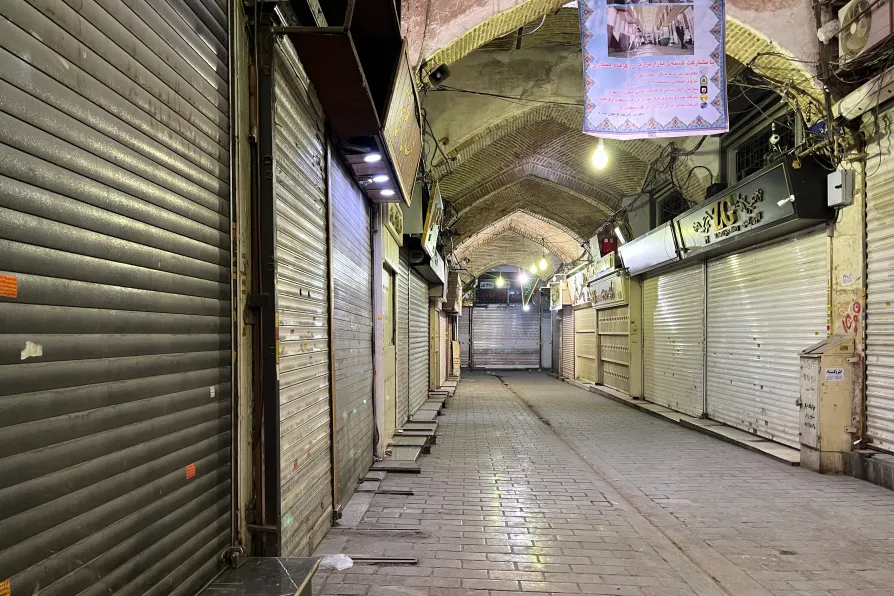
Trump threatens war and punitive tariffs to recapture Iranian resources – just as in 1953, when the CIA overthrew Mossadegh and US corporations immediately seized 40% of the oil, says SEVIM DAGDELEN
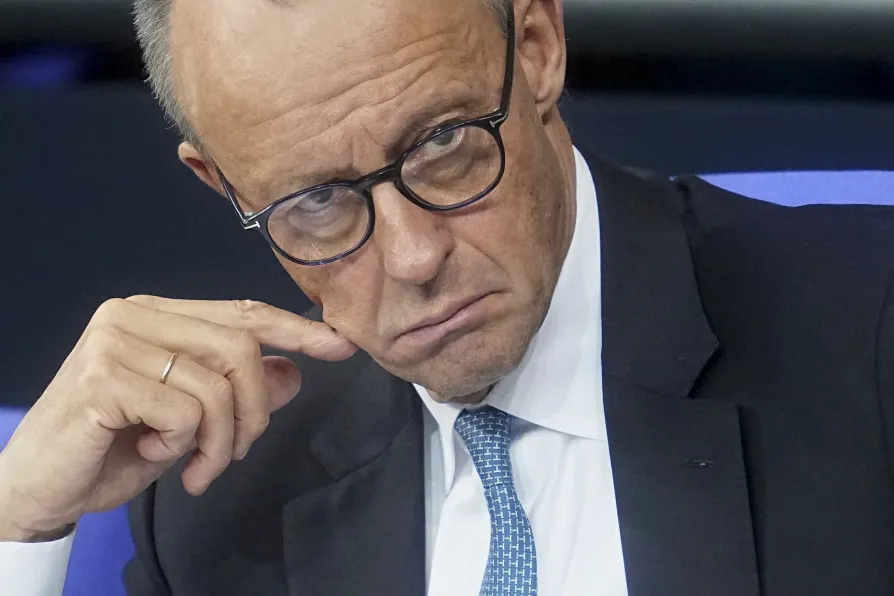
German Chancellor Friedrich Merz is pouring €11.5bn into the Kiev swamp, blocking Trump’s peace plan, and pushing Nato right up to Russia’s borders – no matter if it costs hundreds of thousands of lives, warns SEVIM DAGDELEN
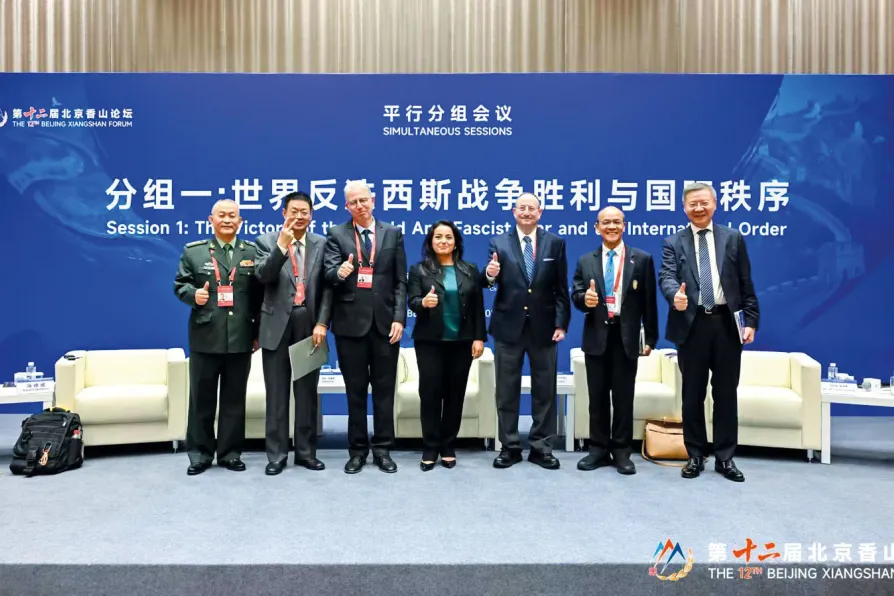
In a speech to the 12th Xiangshan Forum in Beijing, SEVIM DAGDELEN warns of a growing historical revisionism to whitewash Germany and Japan’s role in WWII as part of a return to a cold war strategy from the West — but multipolarity will win out