MAYER WAKEFIELD is entertained but let down by an audacious production that, sadly, doesn't ring true


 Latest editorial
A self-evolving circle
MICHAL BONCZA recommends a minimalist installation that prompts intriguing connotations
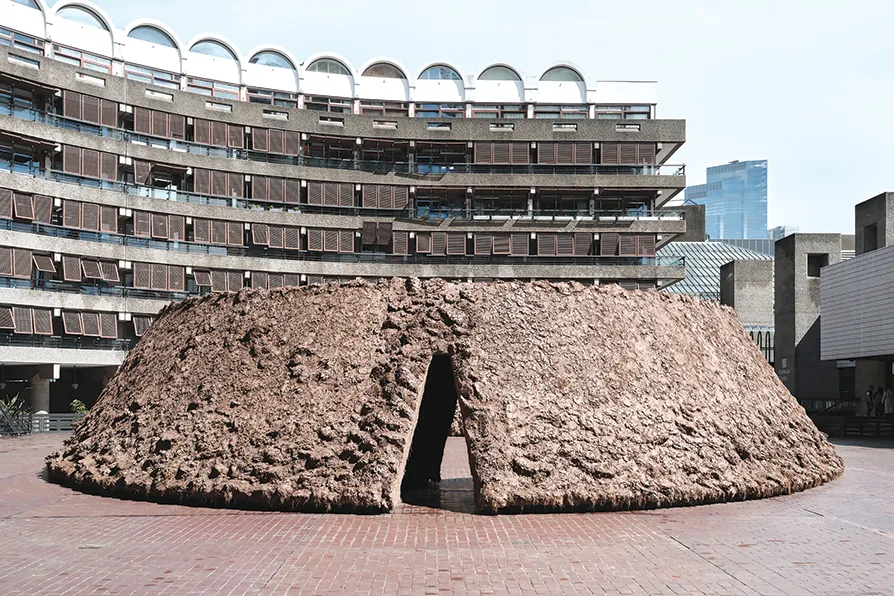 Delcy Morelos: origo Installation view, Barbican / pic: © Thomas Adank/Barbican Art Gallery

MARY CONWAY is disappointed by drama that, despite accomplished performances, cannot overcome an unfocused script
New releases from Sam Carter, Spell Songs and Les Thomas
KEN COCKBURN traces the one original language – that of the Yamnaya pastoral nomads – from which all European and Indian languages derive
PAUL DONOVAN is fascinated by the debunking of the iconic British war hero
ALEX HALL recommends a searing panorama of our global predicament





Delcy Morelos: origo
Barbican Sculpture Court, London
⭑⭑⭑⭑⭑
AS YOU enter the Barbican’s Sculpture Court you’re met by a massive circular installation, 24 metres in diameter and three metres high, rendered in what, on close inspection, resembles the ancient universal building material of adobe.
Called origo (Latin for “origin”) by its Colombian creator Delcy Morelos, the installation mimics an archeological artefact and as such evokes, perhaps, the Caral-Supe civilisation of central Peru of 3000-1800 BCE — the oldest known civilisation on the continent — and one that feels appropriately relevant in this context.
The Caral-Supe society was unique in humankind’s recorded history because their settlements, including the spectacular Sacred City of Caral, were built entirely without defensive walls or similar fortifications, and predate by millennia the era of militarism and conquest that would later define the Inca Empire.
The numerous digs point to societies whose economies were based on trade, agriculture and fishing, rather than territorial expansionism. Finds of exotic goods and musical instruments indicate advanced regional integration through shared culture and commerce.
Morelos’s origo, whether intended or not, is a reminder of that forgotten civilisation, its time, ideals and principles, and the stupendous absence of fear. Its circular shape is powerfully reminiscent of the round piazzas of the Caral Supe.
The cardinal positioning of origo’s four entry points represents, perhaps, a universal summons for dispersed, distracted and destructive perceptions in a world overwhelmed today by fear and enmity.
Built of soil, by hand, it is in communion with Earth at a time when Earth is violated to the umpteenth degree by greed and ignorance, as manifested in the present catastrophic climate collapse.
origi’s internal tunnel runs only a quarter of its length between two of the adjacent entry points — the rest is blocked by collapsed passages as if to invite further exploratory “archeology of the imagination,” much like the riddles of the blocked tunnels inside the Pyramid of Khufu in Egypt. What is there yet to be learned?
The curvatures of origi and the modernist architecture of the Sculpture Court harmonise, inviting endless visual combinations, and particularly in late afternoon when the shadows extend everywhere and take prominence over the vanishing sunlight.
Significantly origi also marks the reincorporation of the neglected Sculpture Court into the Barbican’s array of visual art exhibition spaces which, one hopes, will remain free to the general public. Should that prove to be the case, then this reviewer’s hat is definitely off.
Runs until July 31, admission free. For more information see: barbican.org.uk (https://www.barbican.org.uk/whats-on/2026/event/delcy-morelos-origo). Due to high temperatures do check opening hours on 020 7870 2500.

Similar stories
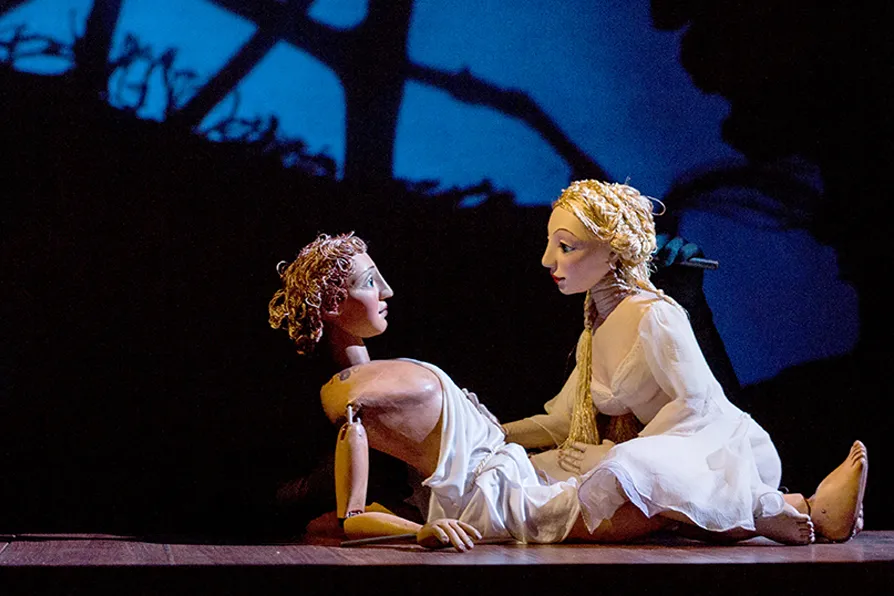
GEORGE FOGARTY is dazzled by a breathtakingly skillful puppet version of Shakespeare’s greatest love poem
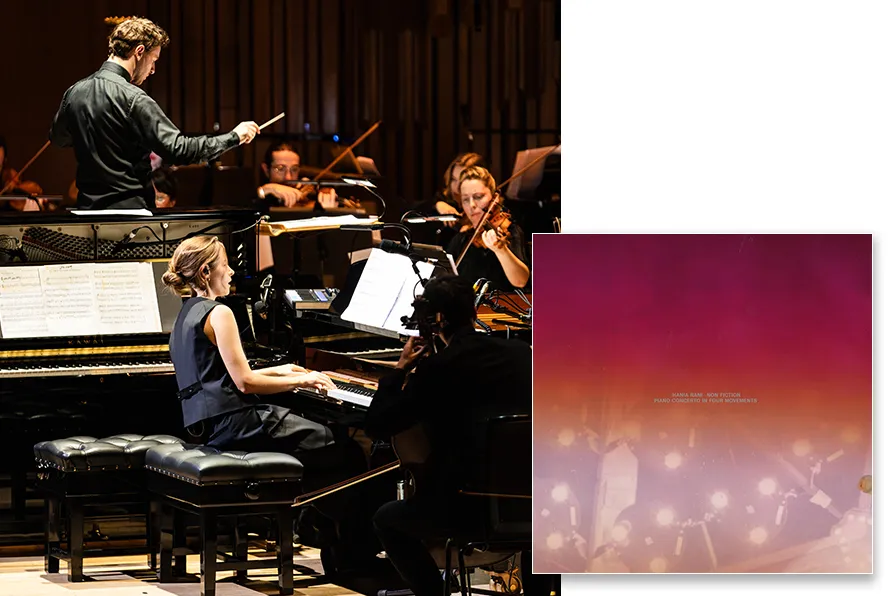
WILL STONE witnesses an experimental piano concerto inspired by the work of a young Jewish victim of the Nazis
New releases from Kennedy Administration, Melanie Pain, and Afton Wolfe
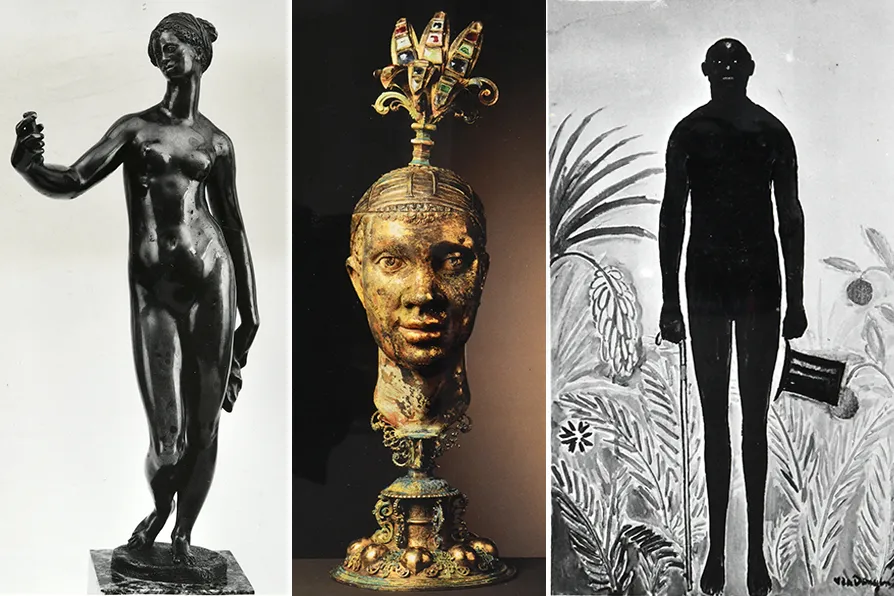
KEVIN DONNELLY accepts the invitation to think speculatively in contemplation of representations of people of African descent in our cultural heritage