Latest editorial

Iran votes for new president after hardliner's death, but turnout remains a question
 A woman fills out her ballot during the Iranian presidential election in a polling station at the shrine of Saint Saleh in northern Tehran, Iran, June 28, 2024





IRANIANS voted in a snap election today to replace late president Ebrahim Raisi, with the race’s sole reformist candidate vowing to seek “friendly relations” with the West in an effort to energise supporters.
Voters face a choice between hardline candidates and the little-known reformist Masoud Pezeshkian, a heart surgeon.
As has been the case since the 1979 Islamic Revolution, women and those calling for radical change have been barred from running, while the vote itself will have no oversight from internationally recognised monitors.

Similar stories
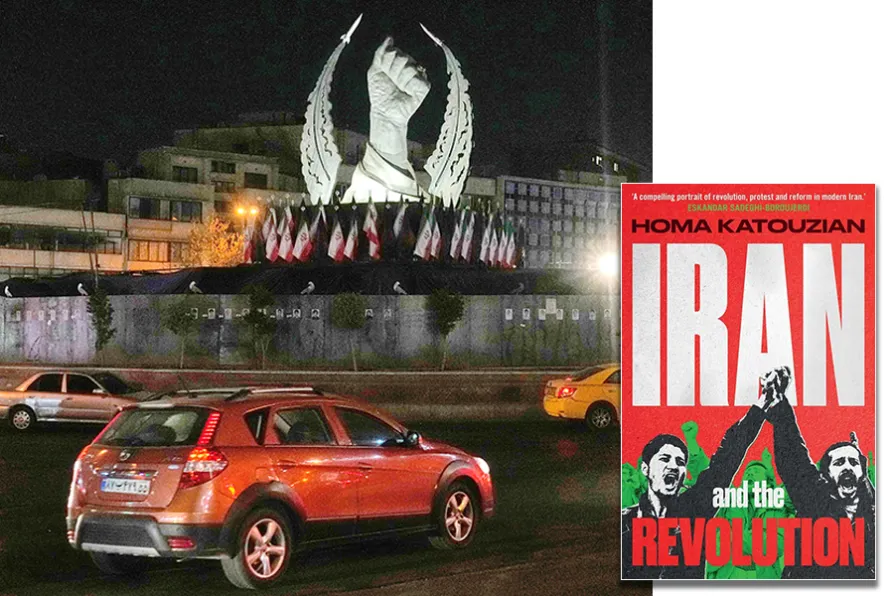
BRENT CUTLER searches a new history of contemporary Iran for an understanding of the Islamic Republic, finding both interesting detail and glaring omissions