

 Latest editorial
Streeting reverses stance on assisted dying as NHS ‘not good enough’ to provide real choice
 Prime Minister Keir Starmer (left) and Health Secretary, Wes Streeting during a visit to the University College London Hospital (UCLH) where they saw how Proton Beam Therapy is used and met the staff who operate it, September 11, 2024






HEALTH secretary Wes Streeting will vote against the assisted dying Bill, raising concerns that palliative care is not good enough for patients to make an informed choice on ending their life.
The Health Secretary told Labour MPs this week that he had reversed his previous stance because of the state of the NHS.
MPs will debate backbencher Kim Leadbeater’s Terminally Ill Adults (End of Life) Bill on November 29 and an initial vote is expected that day.

Similar stories


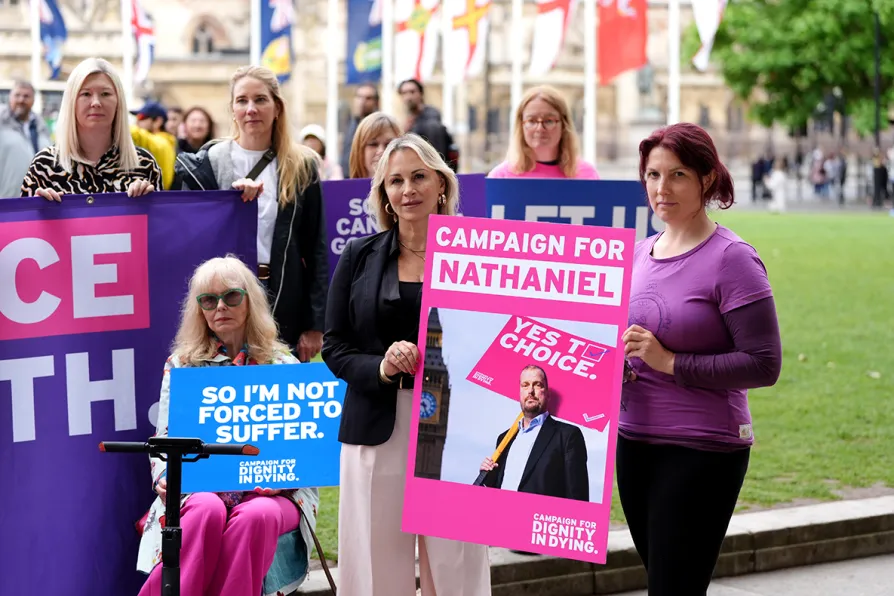
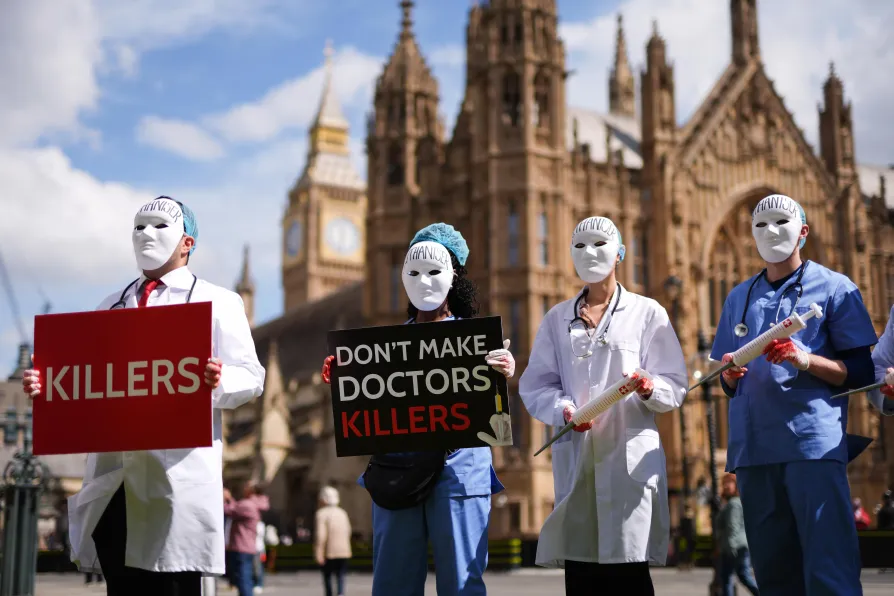
Evidence to peers from medical leaders, patient safety officials and the children’s commissioner has intensified fears that the Bill’s safeguards are inadequate, writes ADAM JAMES POLLOCK