The question is not simply how much we spend on defence, but what we understand defence and security to mean, says SIMON BRIGNELL



G7 tax reform: is neoliberalism drawing to a close?
The announcement by the G7 countries that they would introduce a global minimum tax for corporations is a clear shift in the economic order, writes JAMES MEADWAY

 From left, EU's Economy Commissioner Paolo Gentiloni, Eurogroup President Paschal Donohoe, World Bank President David Malpass, Italy's Finance Minister Daniele Franco, French Finance Minister Bruno Le Maire, Canada's Finance Minister Chrystia Freeland, Britain's Chancellor of the Exchequer Chancellor Rishi Sunak, Managing Director of the IMF Kristalina Georgieva, Germany's Finance Minister Olaf Scholz, U.S. Treasury Secretary Janet Yellen, Secretary-General of the Organisation for Economic Co-operation and Development (OECD) Mathias Cormann, Japan's Finance Minister Taro Aso pose for a family photo as finance ministers from across the G7 nations meet at Lancaster House in London

Given the recent rejection of peace proposals by Israel the world must provide an immediate and resolute response to force accountability on Gaza, argues RAMZY BAROUD
MARK SEDDON tries to cool off in the countryside to avoid the heatwaves but the greed and incompetence of the privatised water industry is now at boiling point
The disputed election of a far-right president, who is also a US citizen, signals further consolidation of Washington’s regional power and represents a threat to the country’s democracy and sovereignty, writes WT WHITNEY JNR
by Her Excellency Ismara Mercedes Vargas Walter, Ambassador of the Republic of Cuba to the United Kingdom
DR STEPHEN WILKINSON assesses the life and legacy of a revolutionary giant





FOR 40 years or more, governments holding fast to neoliberal principles have set in train what US Treasury Secretary Janet Yellen rightly called a “race to the bottom” on global taxation, as countries deluded themselves that lower corporation taxes would mean more investment and more growth.
This deal is the clearest sign yet that the days of neoliberalism — the belief in privatisation, low taxes for the rich and subservience to the market — are finally drawing to a close.
Giant corporations were able to exploit the rules on international taxes, originally drawn up for a very different world in the 1930s, to almost pick and choose where and how much tax they paid.

Similar stories
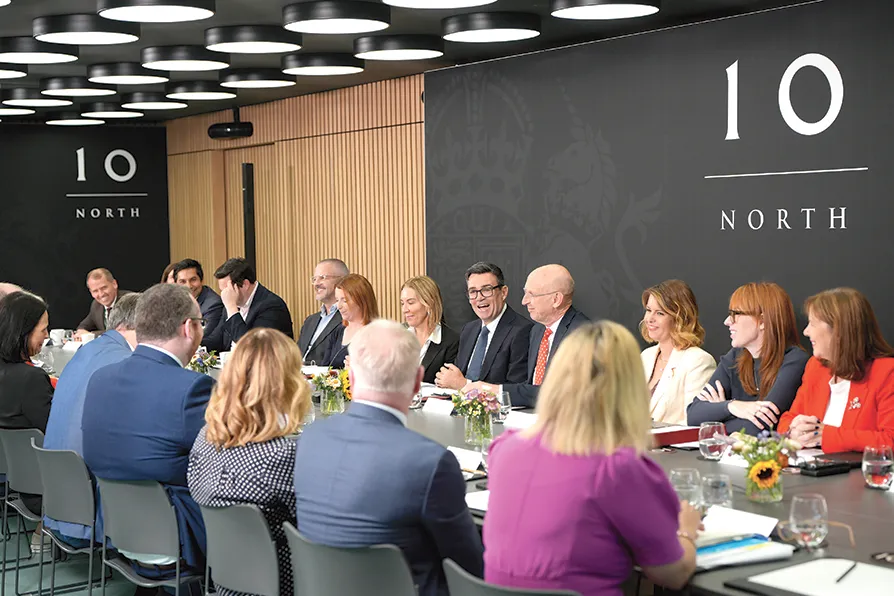
A sharp rise in public-sector investment is required to kick-start the economy, argues MICHAEL BURKE
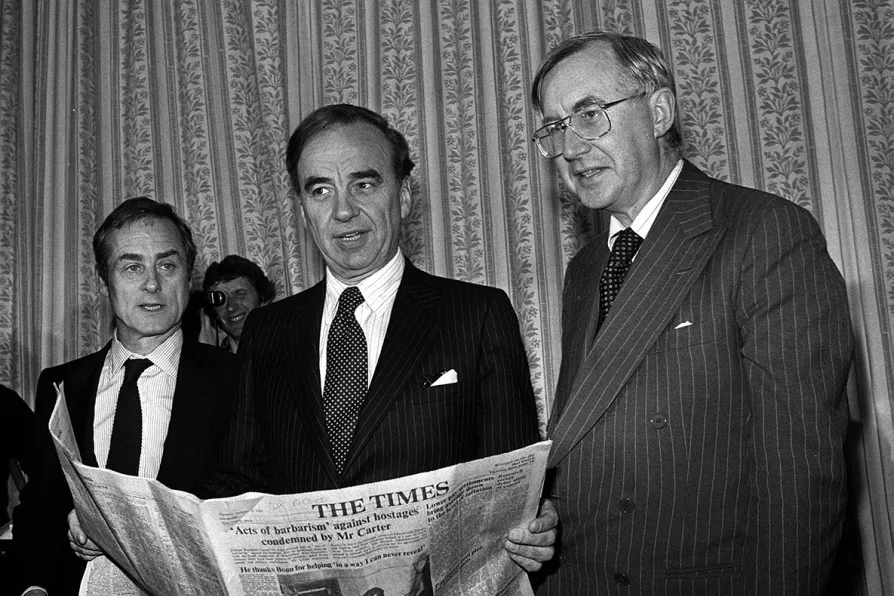
Four decades on, the Wapping dispute stands as both a heroic act of resistance and a decisive moment in the long campaign to break trade union power. Lord JOHN HENDY KC looks back on the events of 1986
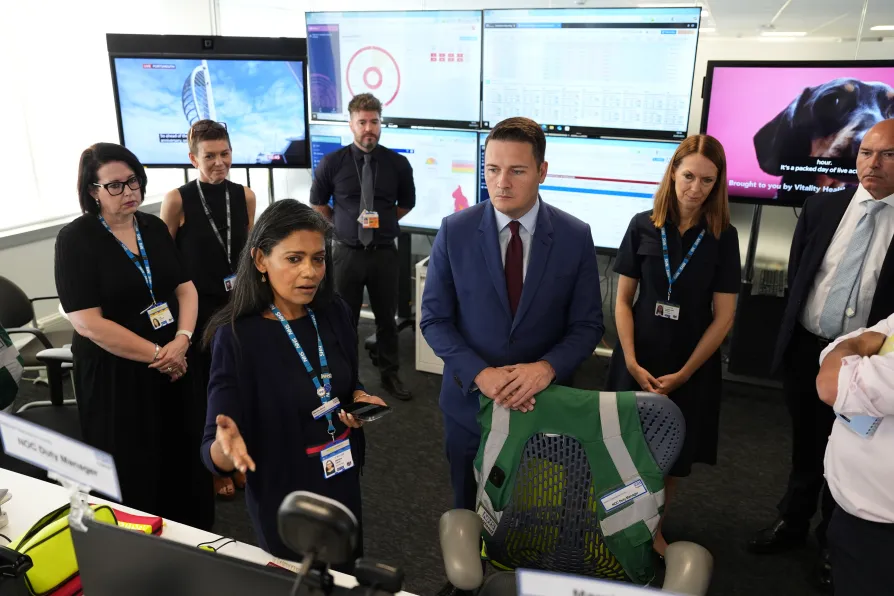
Politicians who continue to welcome contracts with US companies without considering the risks and consequences of total dependency in the years to come are undermining the raison d’etre of the NHS, argues Dr JOHN PUNTIS