by Ramzy Baroud


 Latest editorial

Tackling racism is a crucial priority for Usdaw, the trade union movement and the whole of society
Usdaw general secretary PADDY LILLIS argues that structural racism is all-too clear in the workplace, with BME workers facing poorer wages, temporary contracts and prejudicial treatment — but unions are the best way to fight back
US-based labour and social movements authors and organisers Robert Ovetz and James Tracy interview DANIEL GROSS about his new book, Unions of Our Own: Eight Building Blocks to Change Work and the World
Innovation in biotechnology is changing how we conceive of meat, say ROX MIDDLETON, LIAM SHAW and MIRIAM GAUNTLETT of SCIENCE AND SOCIETY
JOHN CALLOW introduces the work of Geoffrey Trease, who placed ordinary people at the centre of his historical fiction for children, creating adventurous stories to inspire the possibilities of social change
Is the Scottish government in favour of drilling or not? Evasiveness and incoherence are the order of the day, argues KENNY MacASKILL
The Isle of Wight’s Victorian holiday boom drew visitors from across Europe, including the founders of scientific socialism, writes KEITH FLETT





RACISM is widespread and persistent, with black and minority ethnic (BME) workers facing discrimination in the labour market and racist abuse in their workplaces. As trade unionists, we must continually take action to make sure that BME workers’ voices are heard and workplaces are free from racism and harassment.
It is a really important time for the anti-racist struggle, not just in the UK but right around the world. BME workers are far more likely to be in low paid, insecure jobs such as temporary and agency jobs or zero-hours contracts.
They are more likely to be in front line roles and throughout the crisis had less access to both statutory and contractual sick pay. This is institutional racism and it traps far too many BME workers in poverty, insecurity and low pay.

Similar stories

Andy Burnham’s message of hope will defeat Reform if Labour delivers the New Deal for Working People in full, says JOANNE THOMAS

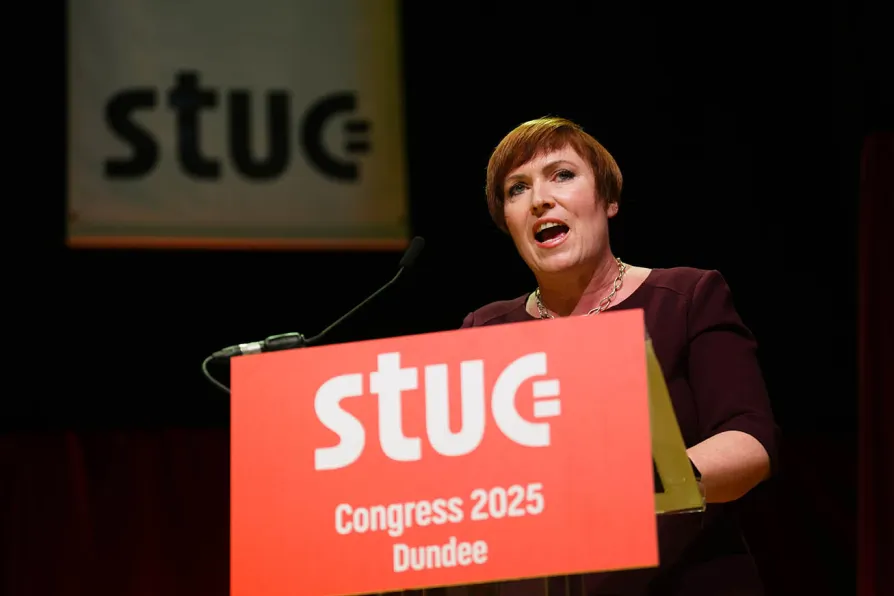
Working-class women lead the fight for fair work and equitable pay and against sexual harassment, the rise of the far right and years of failed austerity policies, writes ROZ FOYER
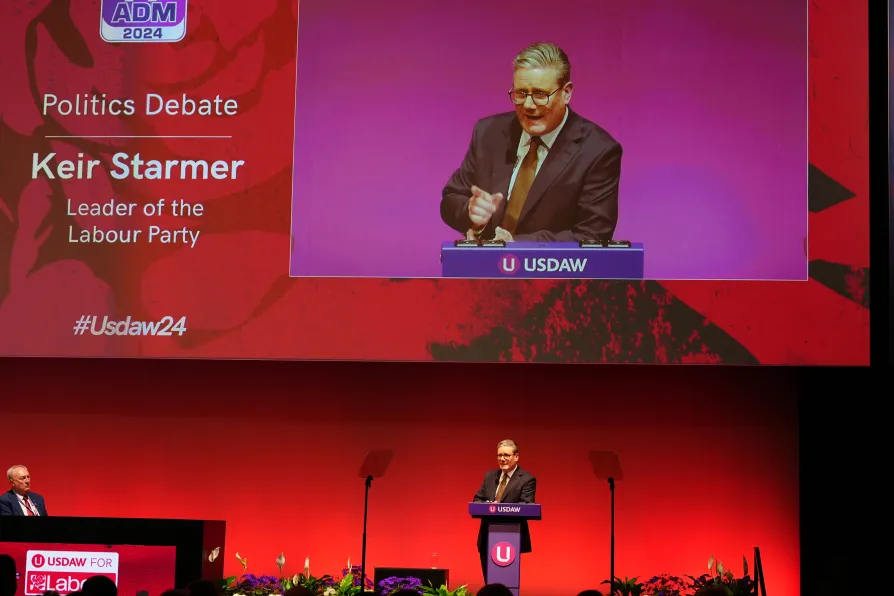
Making sure this Labour government delivers on decent jobs, strong workplace rights and well-funded public services will defeat the easy answers to real frustrations peddled by the far right, writes JOANNE THOMAS