
ROB WARZYNIAK wades knee deep through a pile of ‘dead canaries’ of Trumpist policies which exacerbated the horrors of US capitalism domestically


Priti authoritarian, but Priti vulnerable: we can make a difference that could save Julian Assange
The Home Secretary’s decision to green-light the extradition of Julian Assange needs to be overturned by mass resistance, argues JOHN REES
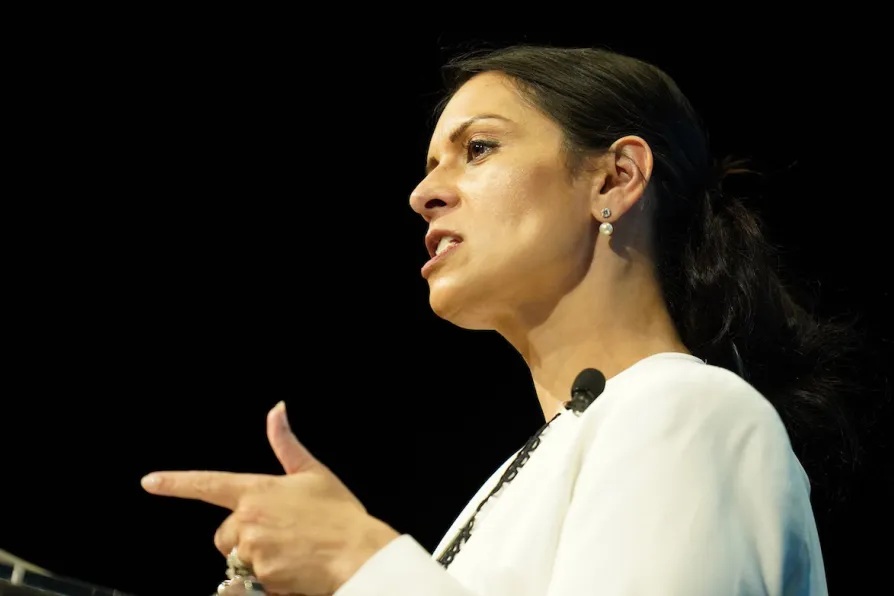
 Home Secretary Priti Patel

Without evidence or Nato consultations Berlin’s answer to the Leipzig incident is a rupture of relations. SEVIM DAGDELEN examines why
FRANCISCO DOMINGUEZ introduces the background to a conference on defending Latin America’s sovereignty
The glacier collapse in Nepal is yet another warning that a warming planet is making Himalayan disasters more frequent and destructive – but the countries facing the greatest risks are often those least responsible, says LI YANG
Nick Blair is set to benefit from a hugely lucrative contract to ‘virtually’ train the British army for its next war. Like father, like son, writes SOLOMON HUGHES
Even when tragedy strikes, Western media cannot resist the opportunity to turn it into a sordid propaganda opportunity, as the Nepal-China border tragedy shows, writes CARLOS MARTINEZ
Trade unions should be at the heart of the anti-racist push for reparations for the historic legacy and continuing impact of slavery, writes ROGER McKENZIE





IF YOU have been living on one of the remoter planets of the known universe it will have come as a shock that the Home Secretary Priti Patel agreed last Friday to the US government’s demand that Julian Assange be extradited to face a trial which could land him with a 175-year prison sentence.
But for earth-dwellers, particularly those that have been following the Home Secretary’s wholesale attack on civil liberties, it will have been less of a surprise.
Patel and the Johnson government have plenty of reasons for disliking those who expose warmongering and corporate greed, as WikiLeaks did in successive releases for which the US now wish to charge Assange under its 1917 Espionage Act.

Similar stories
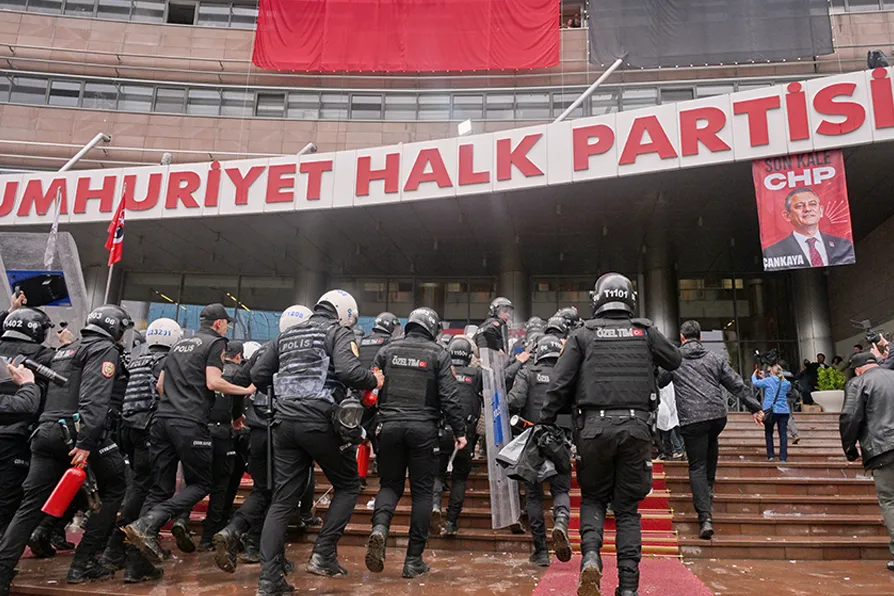
CLAUDIA WEBBE looks at how Britain’s Nato ally has upped the stakes in its effort to silence domestic dissenting voices

JOHN REES replies to Claudia Webbe
![[Pic: Andrew Wiard]](https://msd11.gn.apc.org/sites/default/files/styles/desktop/public/2026-01/19860330_a_wiard_0001JPG.jpg.webp?itok=nkzZbinE)
As advertising drains away, newsrooms shrink and local papers disappear, MIKE WAYNE argues that the market model for news is broken – and that public-interest alternatives, rooted in democratic accountability, are more necessary than ever

Speaking to the Morning Star’s Ceren Sagir, general secretary of the National Union of Journalists LAURA DAVISON outlines the threats to journalism from Palestine to Britain, and the unique challenges confronting the industry through the rise of AI