The question is not simply how much we spend on defence, but what we understand defence and security to mean, says SIMON BRIGNELL



Obfuscating the reality of the British empire
IAN SINCLAIR weighs up the colourblind casting in the recently released film Munich – The Edge of War and its wider implications
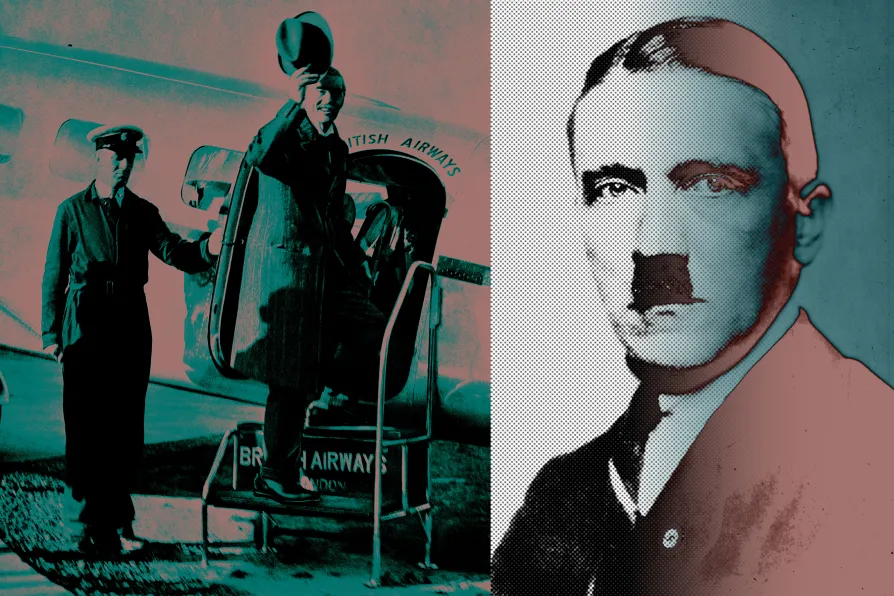
 Prime minister Neville Chamberlain (left) waves his hat as he boards an aircraft bound for Munich where he is to have talks with the German Fuhrer (right), 1938

Given the recent rejection of peace proposals by Israel the world must provide an immediate and resolute response to force accountability on Gaza, argues RAMZY BAROUD
MARK SEDDON tries to cool off in the countryside to avoid the heatwaves but the greed and incompetence of the privatised water industry is now at boiling point
The disputed election of a far-right president, who is also a US citizen, signals further consolidation of Washington’s regional power and represents a threat to the country’s democracy and sovereignty, writes WT WHITNEY JNR
by Her Excellency Ismara Mercedes Vargas Walter, Ambassador of the Republic of Cuba to the United Kingdom
DR STEPHEN WILKINSON assesses the life and legacy of a revolutionary giant





A PRETTY good, sometimes gripping, political thriller, the new movie Munich — The Edge Of War, based on Robert Harris’s 2017 novel, includes a couple of obvious howlers.
First, the film’s Adolf Hitler is so bad it becomes comical. Surely, film-makers understand Bruno Ganz as the Fuhrer in the 2004 German film Downfall irrevocably raised the bar when it comes to onscreen portrayals of the Nazi leader?
Second, amazingly, the film-makers chose August Diehl to play a slightly manic, slightly comic SS officer, after he had played a slightly manic, slightly comic SS officer in Quentin Tarantino’s 2009 movie Inglourious Basterds. Is the pool of decent German actors really so small?

Similar stories

IAN SINCLAIR examines the curious memory lapses across liberal media when it comes to British government crimes
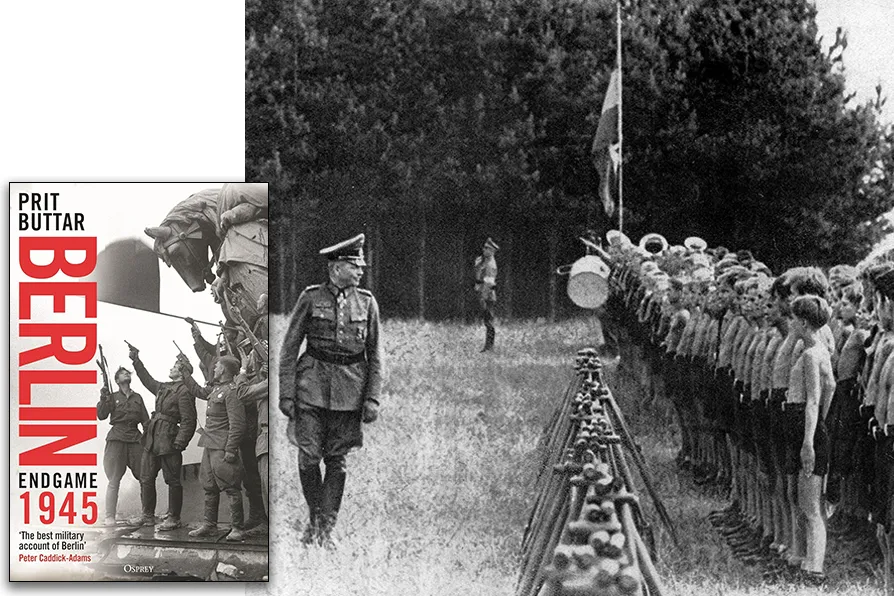
WILL PODMORE admires an account of the liberation of Berlin that overthrows the conventional US army-inspired account

GORDON PARSONS salutes the apt return of Brecht’s vaudevillian cartoon drama that retains the vitality of the boxing or the circus ring
ROGER McKENZIE argues that Western powers can see the beginning of the end in the rise of the global South — and racist reactions are kicking in