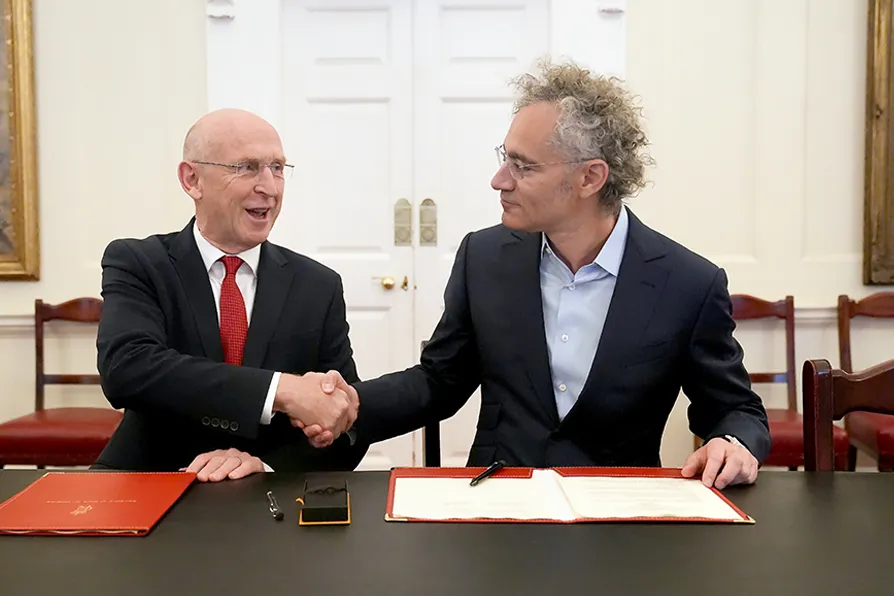
The greatest threat to democracy may no longer come from political parties but from unelected tech oligarchs like Peter Thiel and his powerful Silicon Valley network, argues JOHN GREEN


 Latest editorial
Kill-lists and commandos: Germany still has a Nazi problem
Europe's most powerful nation is experiencing a worrying growth in far-right extremism, violence and killings — including infiltration of the government, army and police, reports DUROYAN FERTL in the first of a two-part series
 On July 9, Germany’s annual report on domestic extremism showed a sharp increase in far-right extremism in 2019 — 32,080 known individuals, up from 24,100, and 13,000 of them prepared to use violence
Today’s interconnected conflicts are enriching the arms industry while pushing the entire world towards permanent militarisation, argues ROGER McKENZIE
by Nana Backland, Merseyside Morning Star Readers & Supporters Group
The government’s Pip review looks like a carefully managed exercise in legitimising future cuts to disability support, argues Dr DYLAN MURPHY
The Tories introduced the 50% strike ballot threshold to make industrial action harder. MATT WRACK argues that a Labour government has no justification for leaving it on the statute book





SOON after the government announced dramatic steps to combat far-right extremism in the military, it emerged that a new wave of neonazi death threats have been sent to left-wing politicians and public figures. After turning a blind eye to the neo-fascist threat for years, authorities are now finding its tentacles spread throughout Germany’s security apparatus and society.
On July 9, Germany’s annual report on domestic extremism showed a sharp increase in far-right extremism in 2019 — 32,080 known individuals, up from 24,100, and 13,000 of them prepared to use violence. Christian Democrat (CDU) Interior Minister Horst Seehofer — who infamously celebrated the deportation of 69 asylum-seekers on his 69th birthday and asserted “there is no place for Islam in Germany” — suddenly declared right-wing extremism the biggest threat to Germany’s security. This was a clear departure from previous years, where conservative rhetoric had focused on the dangers of Islamism and “left-wing extremism.”
After years of government indifference, the far-right has been growing rapidly in Germany, with often deadly consequences. Interior Ministry figures record 986 acts of attempted or perpetrated far-right violence in 2019, over 600 targeted at elected politicians.

Similar stories
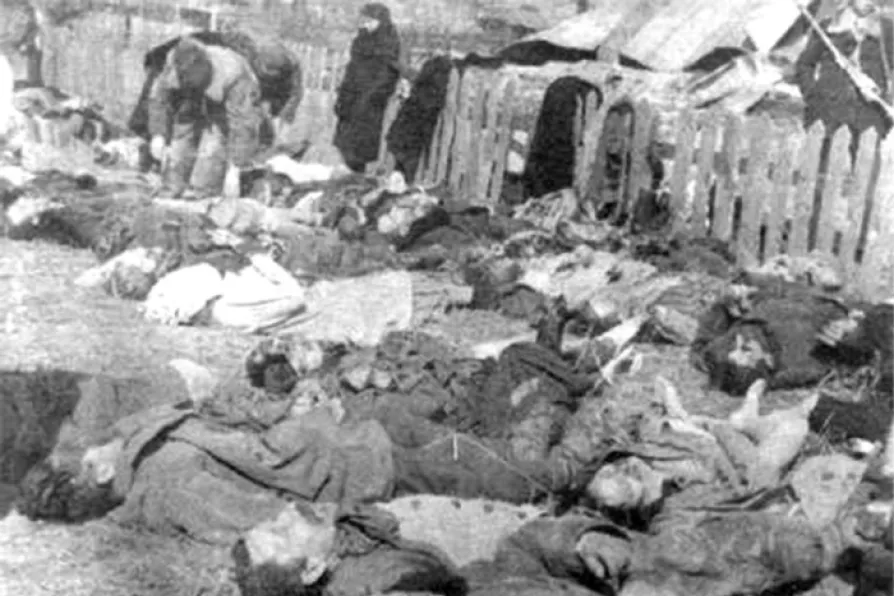
Poland’s anger over Ukraine’s celebration of the Nazi collaborationist UPA reflects more than historical grievance, says KENNY COYLE
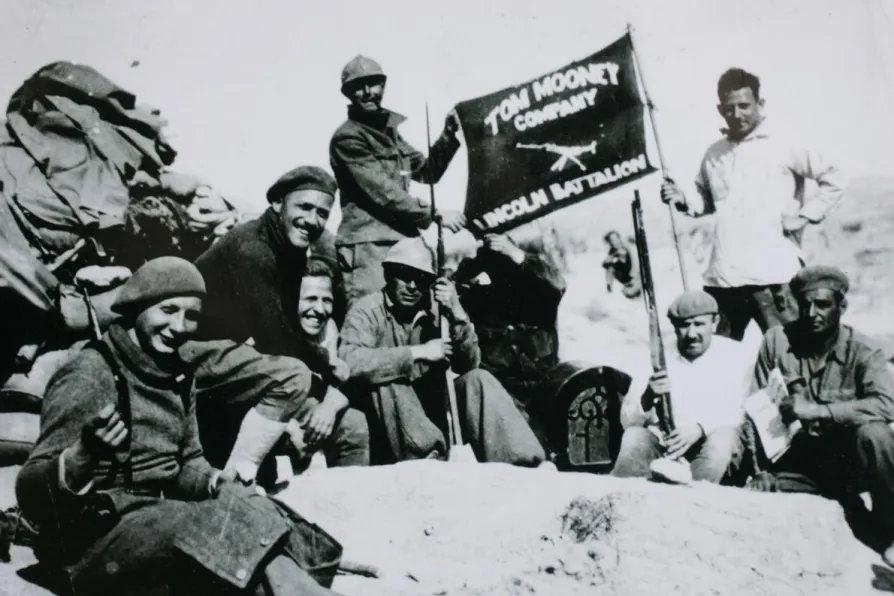
CJ ATKINS commemorates one of the most dramatic moments in working-class history

NICK WRIGHT returns to Berlin and finds a city in darkness and political turmoil
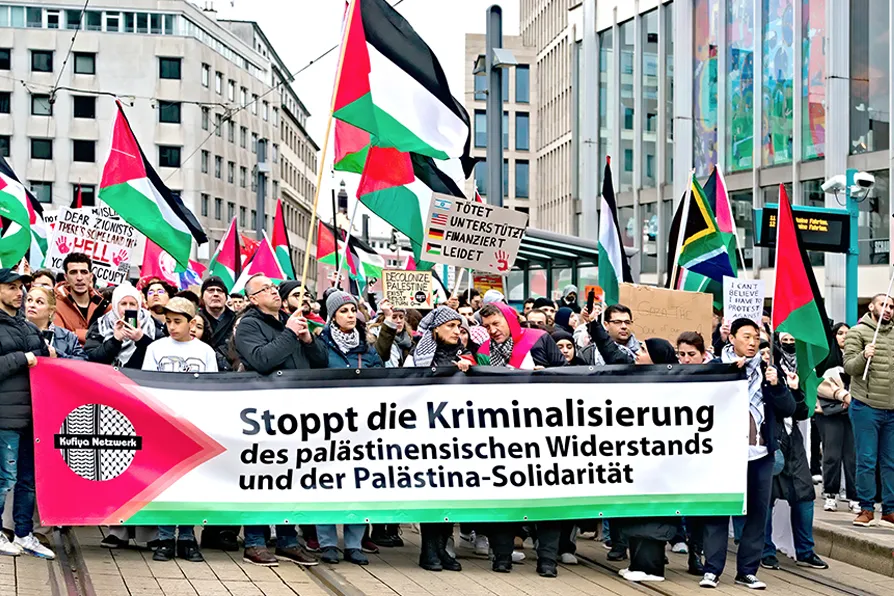
After NGOs and the EU, UN condemns Germany’s crackdown on Palestine Solidarity, writes LEON WYSTRYCHOWSKI