TUC president and POA leader STEVE GILLAN speaks to Ben Chacko on the eve of Congress 2026


 Latest editorial
From the SDP to the Independent Group: The importance of politics from below
KEITH FLETT wonders how Labour's centrist split intend to function with no membership, structure or policies


As Cuba faces the most dangerous moment in its recent history, Britain must do more than condemn the US blockade at the United Nations, writes KEVIN COURTNEY, chair of the Cuba Solidarity Campaign
The Together Alliance is hosting two summits, North and South, to build power and plan action against the scourge of racism peddled by the right. DANIEL KEBEDE urges mass participation
Morning Star assistant business manager BERNADETTE KEAVENEY and international editor ROGER McKENZIE remember attending the 2001 TUC, suspended midweek after news of the World Trade Centre attacks
Whether it’s dented bike frames or broken ferries, MATT KERR wishes politicians had the same steely staying power of elite engineering instead of chasing disposable self-importance
The events of 9/11 reverberated across the United States and then the world. JOHN WIGHT remembers the eerie atmosphere that exposed racial divisions at the heart of Hollywood





A FEW days after the Independent Group (TIG) of MPs formed in the Commons, the Liberal Democrat strategist Mark Pack tweeted “who will be TIG’s Bill Rodgers?” It was an interesting question.
Despite having spent a year in formation with meetings at luxury hotels the breakaway MPs appeared without a proper name, no policies, no membership and no structure. Their cheerleaders in the media argue all these will appear over time.
The SDP which was formed in 1981 was a rather different and more substantial matter. On its founding day the Limehouse Declaration was published outlining its basic principles. Its roots went back much further than that though.

Similar stories

KEITH FLETT looks at geographical roots of working-class activism in Britain

Keir Starmer's early political life suggests a very different future from the one he ultimately embraced, says KEITH FLETT

Labour movement history in Britain shows workers secured reforms through collective pressure and political representation, rather than being gifted from above, writes KEITH FLETT
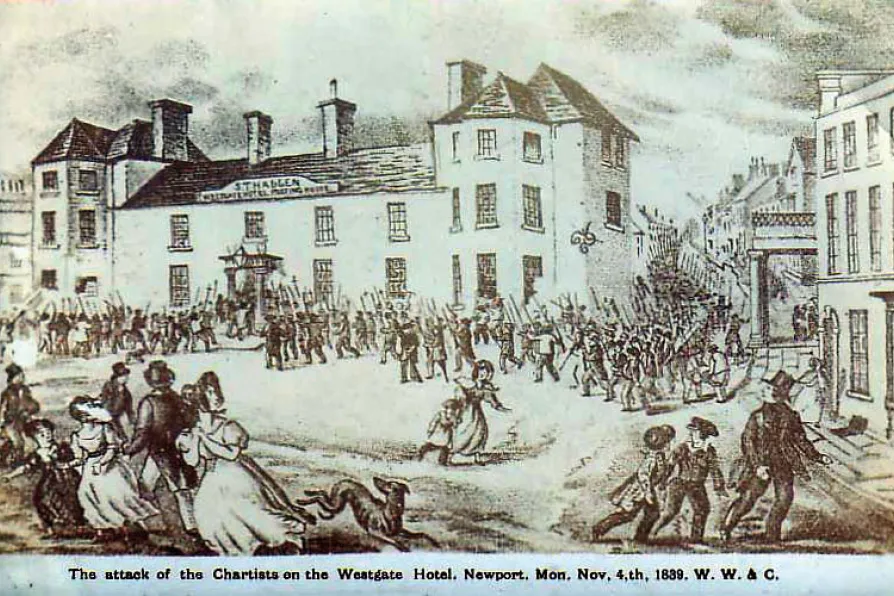
It’s not just the Starmer regime: the workers of Britain have always faced legal affronts on their right to assemble and dissent, and the Labour Party especially has meddled with our freedoms from its earliest days, writes KEITH FLETT