CLAUDIA WEBBE speaks out against the lethal mechanics of Britain’s culture-war press


 Latest editorial

December 1973: how the Tories sunk their own ship
JOHN ELLISON looks at the miners' strike and Shrewsbury 3 case that led Edward Heath to ask ‘Who governs Britain?’ and the electorate to answer: not you
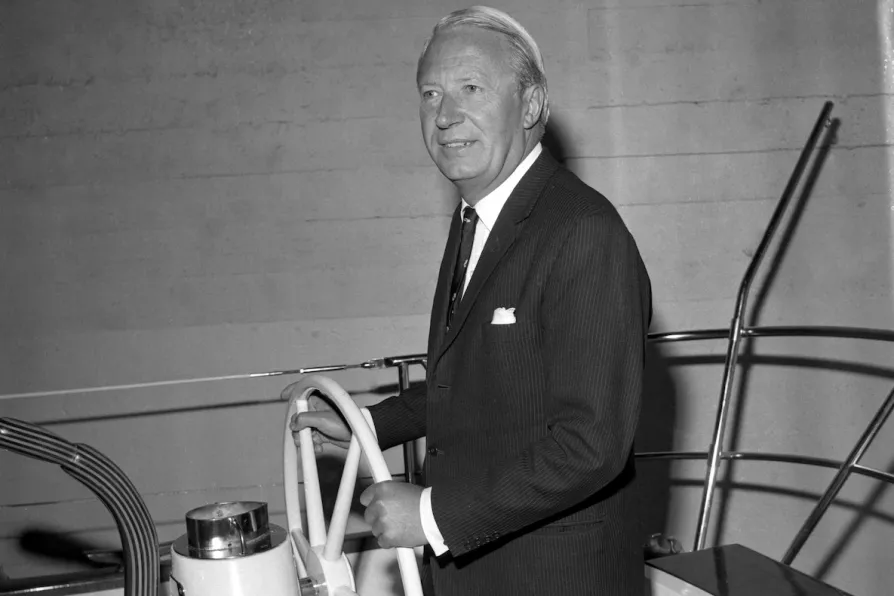 MAN WITH A BOAT: Tory leader Edward Heath poses for the cameras in 1970
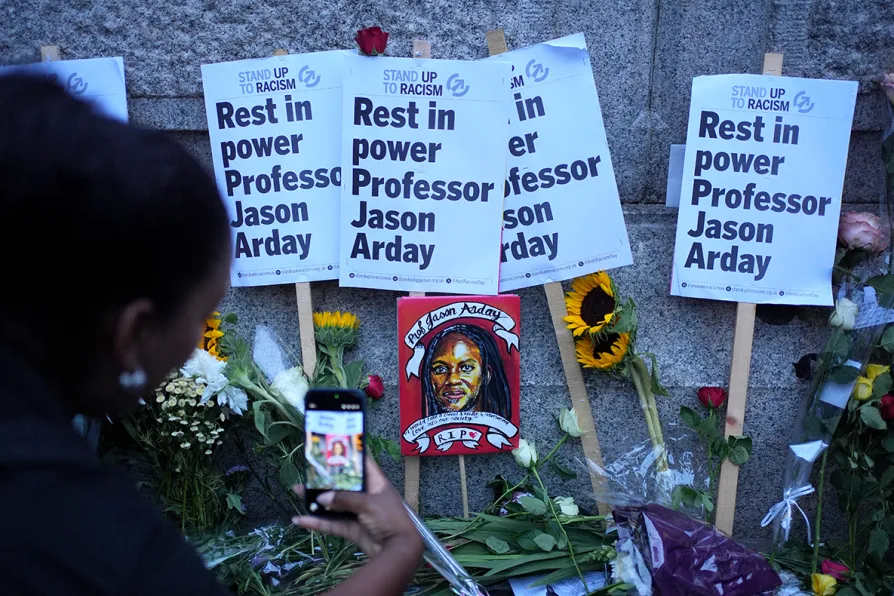
Powerful agribusiness interests are trying to overturn efforts by the Lula government to protect the environment and indigenous peoples of the Amazon region, writes GABRIELA SA PESSOA
Trade unions and community groups are mobilising to push back against Trump’s racist raids after new revelations of spying on legal protesters. MARK GRUENBERG reports from the US state of Minnesota
The best wildfire service may begin with the community, argues KOMAL RAJ ARYAL
The evolution of the Scottish nationalist leadership into cheerleaders for Nato has led the party to betray its pledges on Palestine and social spending, writes COLL McCAIL
While riding the No 3 bus in Glasgow MATT KERR has ample time to dissect the moribund Scottish Labour decline into near oblivion and watch intriguing bus passenger dynamics





HALF a century ago, in December 1973, the Edward Heath government was advancing bullishly down a road that was to lead on February 28 1974 to a parliamentary disaster for the Conservative Party, and to a second spell of Labour government under Harold Wilson.
But in December this future was far from certain. The central issue for Heath (“the man with a boat”), against the international backcloth of the soaring price of oil and a curtailment of its supply, was the substantial improvement in wages sought by the National Union of Mineworkers for their members.
Price inflation had bitten hard into the gains made by the miners in their dramatically successful pay-catch-up strike of early 1972; and on September 12 1973, stimulated also by coal’s rising price, their claim for a new settlement was lodged.
Coal-face workers carrying out hard physical work in difficult conditions, and at high risk from dust and from pit accidents, however, were not lavishly paid.

Similar stories
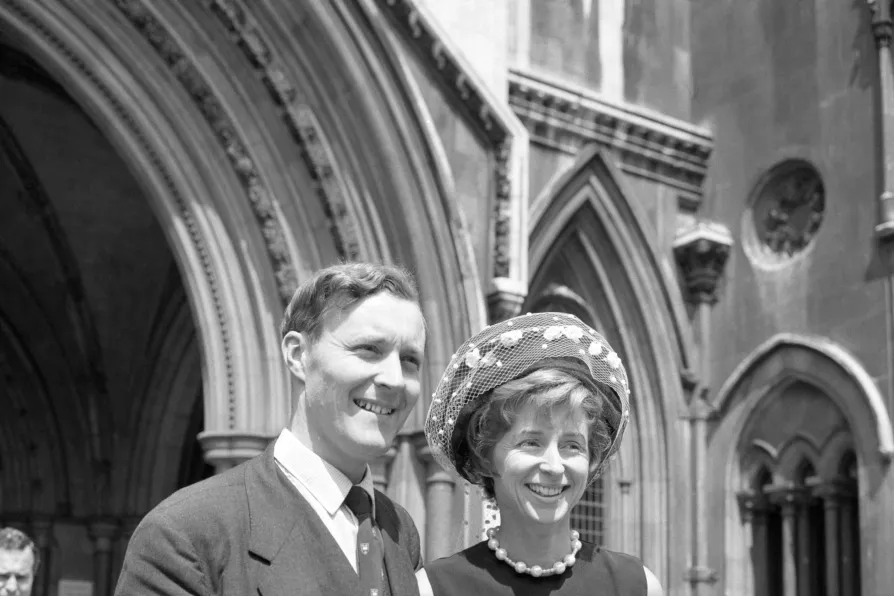
Tony Benn’s constituents chose him by an overwhelming majority — but because he had inherited a peerage, parliamentary rules declared their choice invalid, writes MAT COWARD
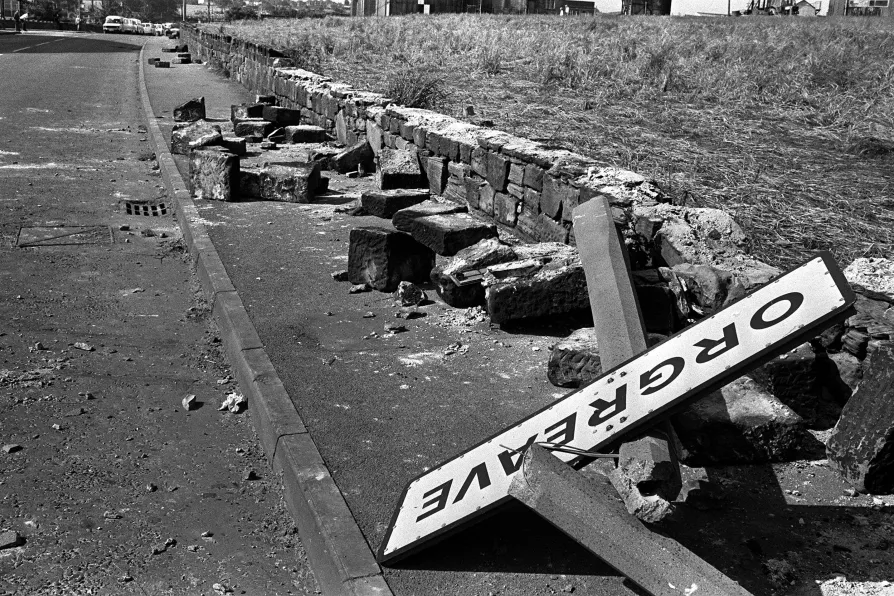
The public inquiry is the result of more than a decade of determined campaigning. Now, those who fought for justice want the full story of government involvement and police conduct to be told, says KATE FLANNERY
The General Strike exposed the power of the working class — and the limits of its leadership, writes Dr DYLAN MURPHY

Who you ask and how you ask matter, as does why you are asking — the history of opinion polls shows they are as much about creating opinions as they are about recording them, writes socialist historian KEITH FLETT