
The US administration is endangering lives by reversing environmental protection laws, CHAUNCEY K ROBINSON argues

Death in the peace process
Despite the end of the civil war with the Farc, the Colombian state is still suspected of murdering political opponents then framing them as guerillas, says NICK MacWILLIAM
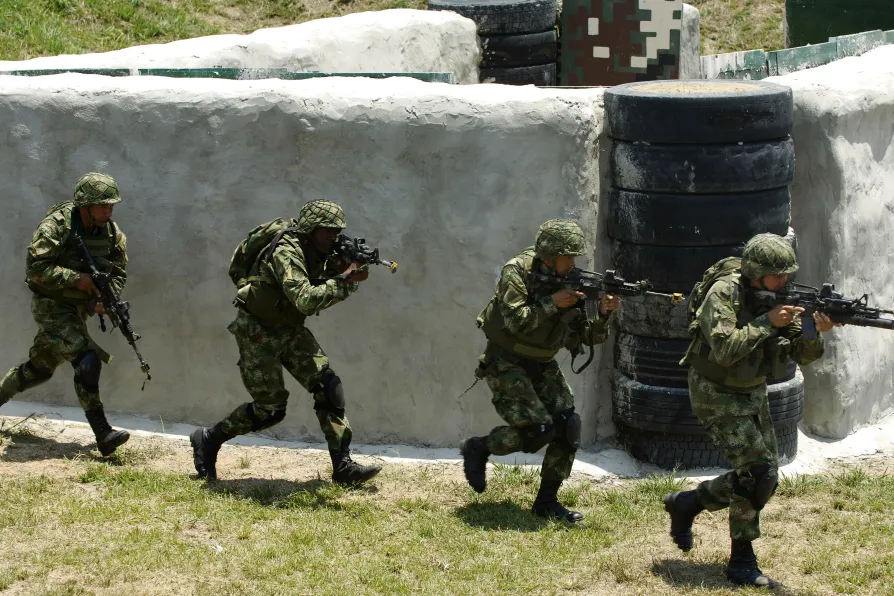
 Colombian special forces, pictured in training, are still fighting left-wing rebel groups

It’s time to stop retreating and go on the offensive to promote working-class interests, argues DOUG NICHOLLS
Marco Rubio wants to defeat socialism in Nicaragua, not restore ‘democracy,’ writes JOHN PERRY
Believe it or not, there was a time when the US government built beautiful homes for working‑class Americans to deal with a housing shortage, writes ERAN BEN-JOSEPH
DIANE ABBOTT provides an analysis of the reasons for EU and British voters’ dramatic swing to the right
Train drivers’ union Aslef general secretary DAVE CALFE speaks to Ben Chacko about his hopes that Burnham’s devolution agenda will include the importance of the railway





WHEN the New York Times reported in May that Colombian military generals had ordered increased kills and captures of members of armed groups, the government swiftly sought to minimise potential damage to its human rights image.
The revelations brought back alarming memories of the military’s role in systematic extrajudicial executions known as “False Positives,” the majority of which were committed under the Alvaro Uribe governments of the 2000s.
The False Positives saw the army lure thousands of young and poor people with false job offers before murdering them and dressing them in guerilla uniforms to imply success in combatting the Farc insurgency. Soldiers also received financial incentives and other rewards for kills.

Similar stories
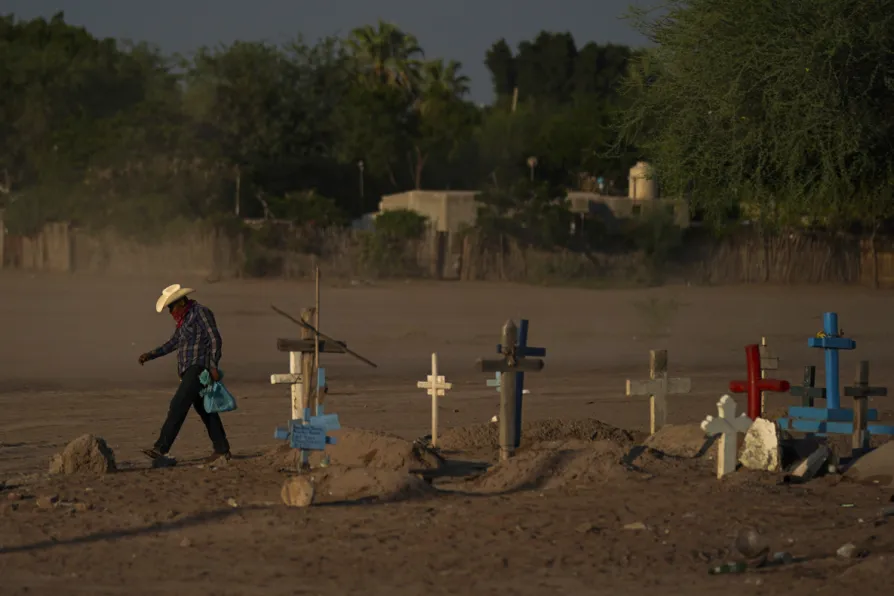
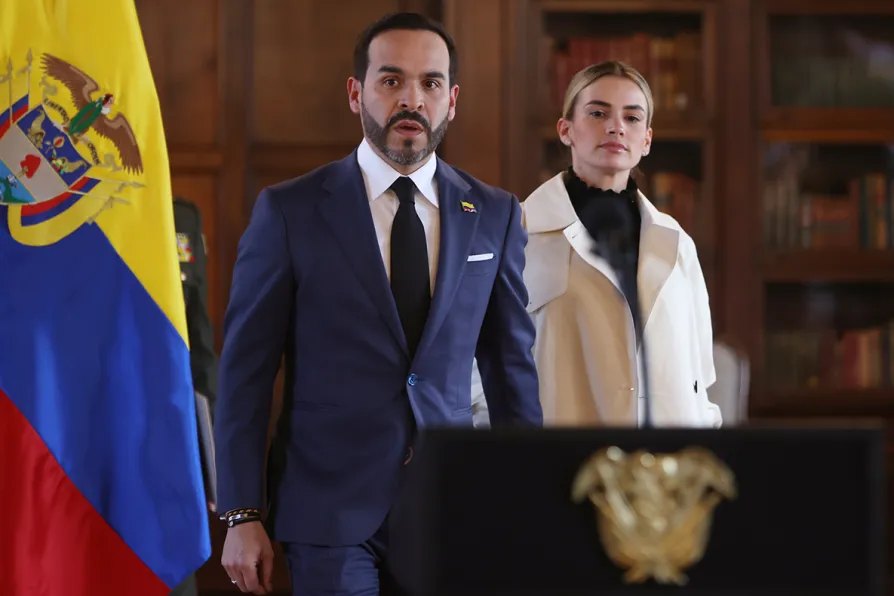
The disputed election of a far-right president, who is also a US citizen, signals further consolidation of Washington’s regional power and represents a threat to the country’s democracy and sovereignty, writes WT WHITNEY JNR
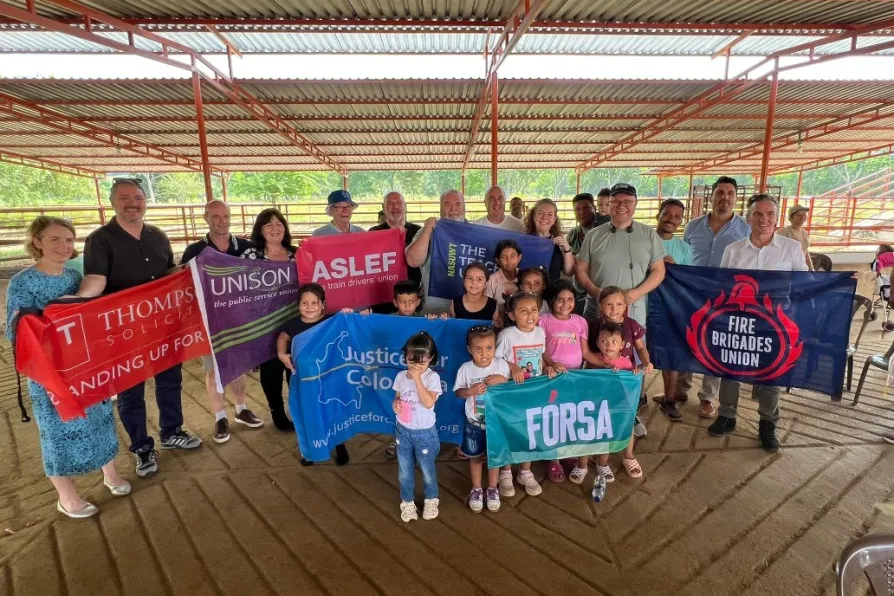
With Petro, Colombia has been making huge strides towards peace — but is all that at risk with the elections next year? MARK ROWE reports back after joining a delegation to the Latin American country
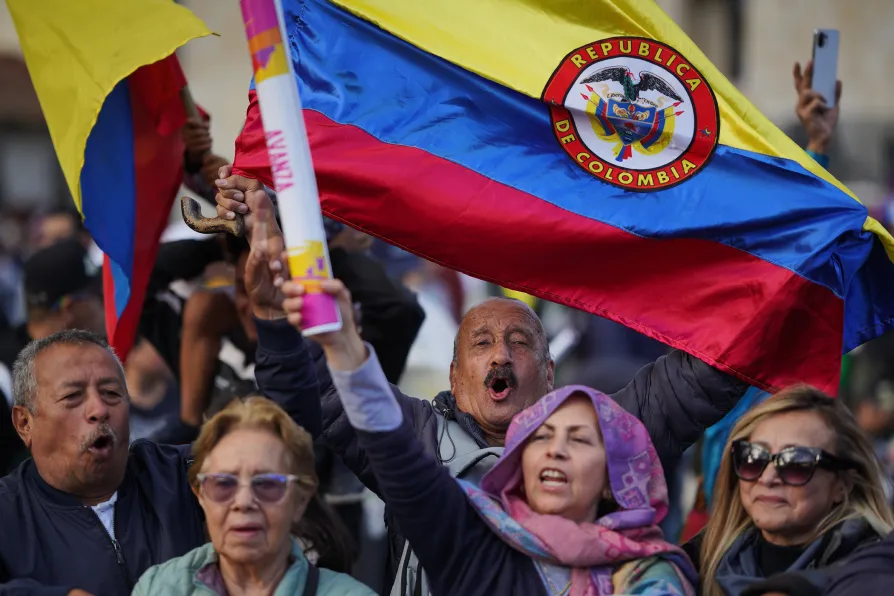
Colombia’s success in controlling the drug trade should be recognised and its sovereignty respected, argues Dr GLORY SAAVEDRA