Preferable to Starmer he may be, but there is scant sign of a sharp political break in Burnham’s policies so far — while left challenges aren’t making much of a running either, finds ANDREW MURRAY. How can socialism be put back on the map?


 Latest editorial

The continuous threat of nuclear accidents
The recent nuclear accident in Russia was a sharp reminder of how volatile nuclear material can be whether for weapons use or producing power, writes STEVEN WALKER
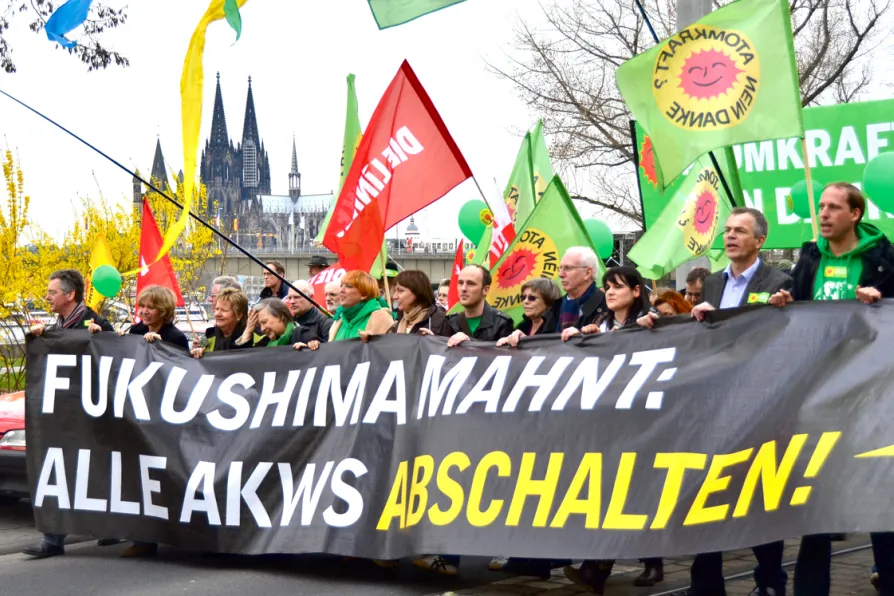 PROTEST AND SURVIVE: Protest against nuclear power in Cologne, Germany on 26 March 2011
[Pic: Bundnis 90/Die Grunen Nordrhein-Westfalen/Creative Commons]
PROTEST AND SURVIVE: Protest against nuclear power in Cologne, Germany on 26 March 2011
[Pic: Bundnis 90/Die Grunen Nordrhein-Westfalen/Creative Commons]

CHARLEY ALLAN reports from Clacton on Farage’s fears his by-election stunt has backfired
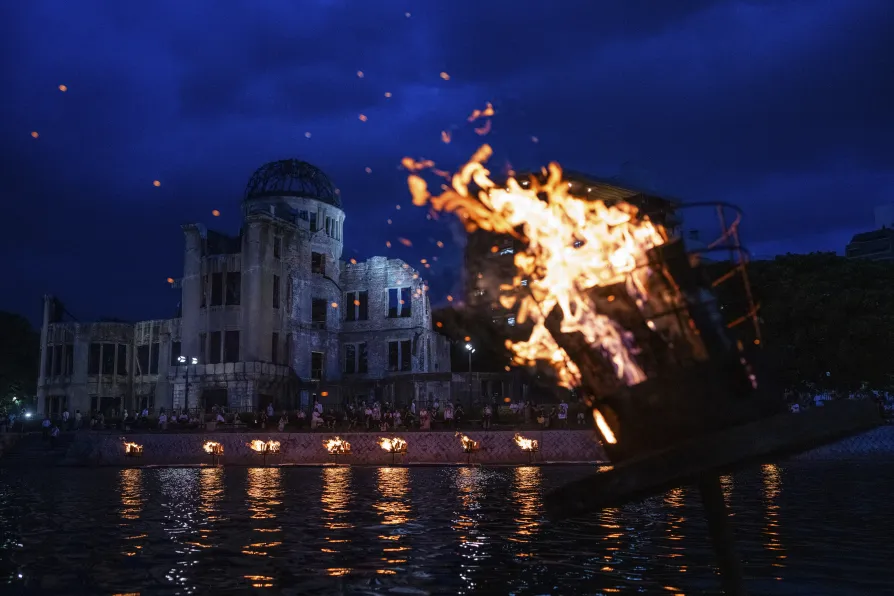
JEREMY CORBYN says we should never forget the horrific reality of nuclear weapons, or cease our efforts to rid the planet of them entirely
The new TUC Cymru general secretary speaks to Morning Star Wales reporter David Nicholson about her trade union background and ambitions for the movement
Internationalism is deeply embedded in socialist theory and practice. Examination illuminates its complexity asserts the Marx Memorial Library and Workers’ School
The Claudia Sheinbaum government is no pushover and is holding firm despite US abuses of the relationship, says DAVID RABY
As we approach the grim anniversaries of Hiroshima and Nagasaki, SIMON BARROW sounds the alarm over the dangerous and murderous direction our government is heading





THE recent nuclear accident at Severodvinsk in Russia which killed at least five nuclear experts and increased local radiation levels was a reminder of how volatile nuclear material can be whether for weapons use or producing power.
The incident occurred with grim irony on August 8, exactly between the first atomic bomb drops on Japanese civilian populations by the US during World War II 74 years ago.
The United States detonated two nuclear weapons over the Japanese cities of Hiroshima and Nagasaki on August 6 and 9, 1945, killing hundreds of thousands of people instantly and causing tens of thousands of cancer deaths in later years.

Similar stories
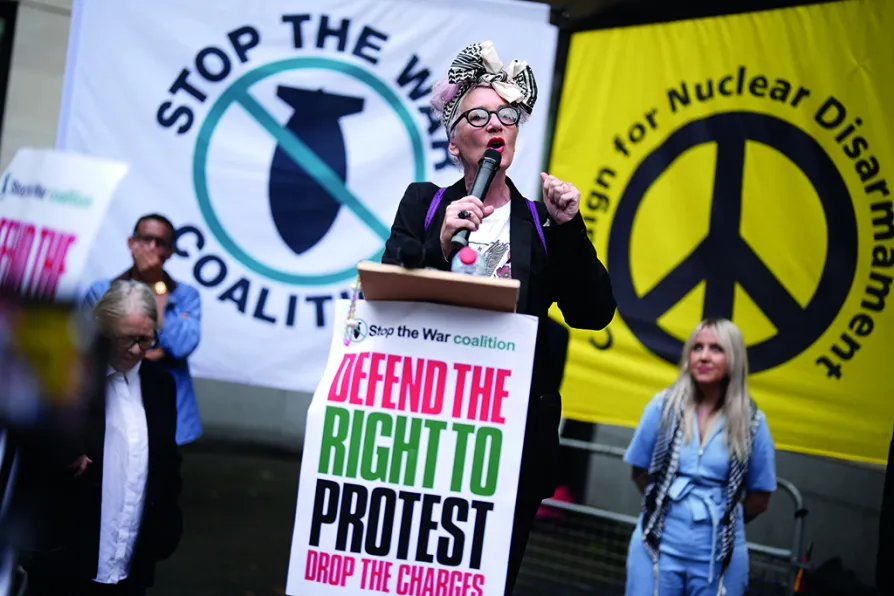
On Hiroshima Day, Campaign for Nuclear Disarmament general secretary SOPHIE BOLT explains why the danger of nuclear conflict is growing daily
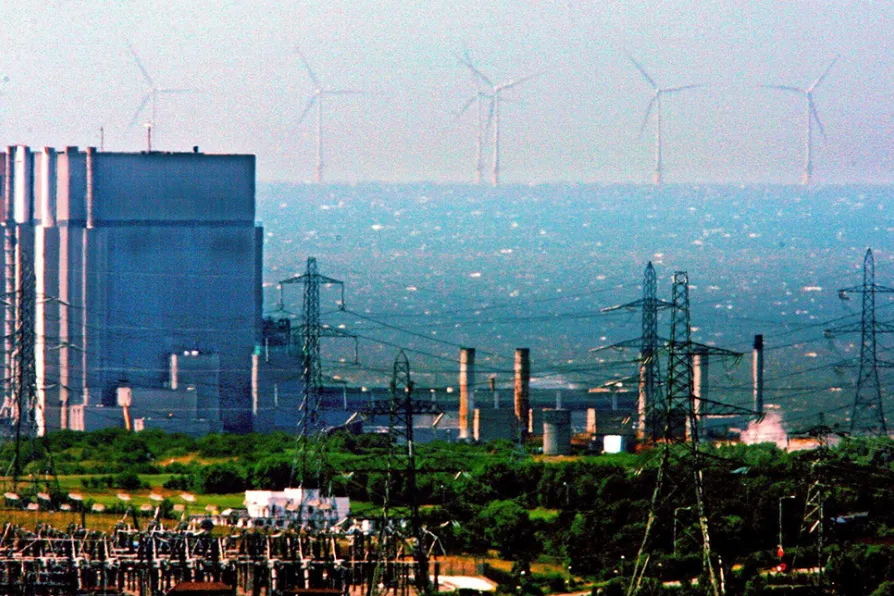
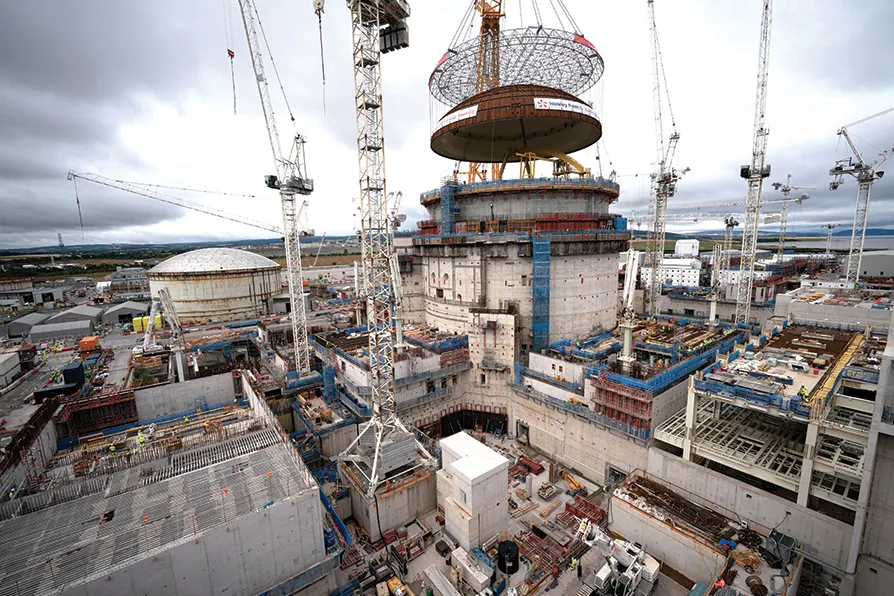
The Communist Party of Britain’s Congress last month debated a resolution on ending opposition to all nuclear power in light of technological advances and the climate crisis. RICHARD HEBBERT explains why