A new generation of right-wing politicians have shifted from promoting deregulation to championing anti-migrant politics warns SOLOMON HUGHES


 Latest editorial

Brazil – time to take a stand
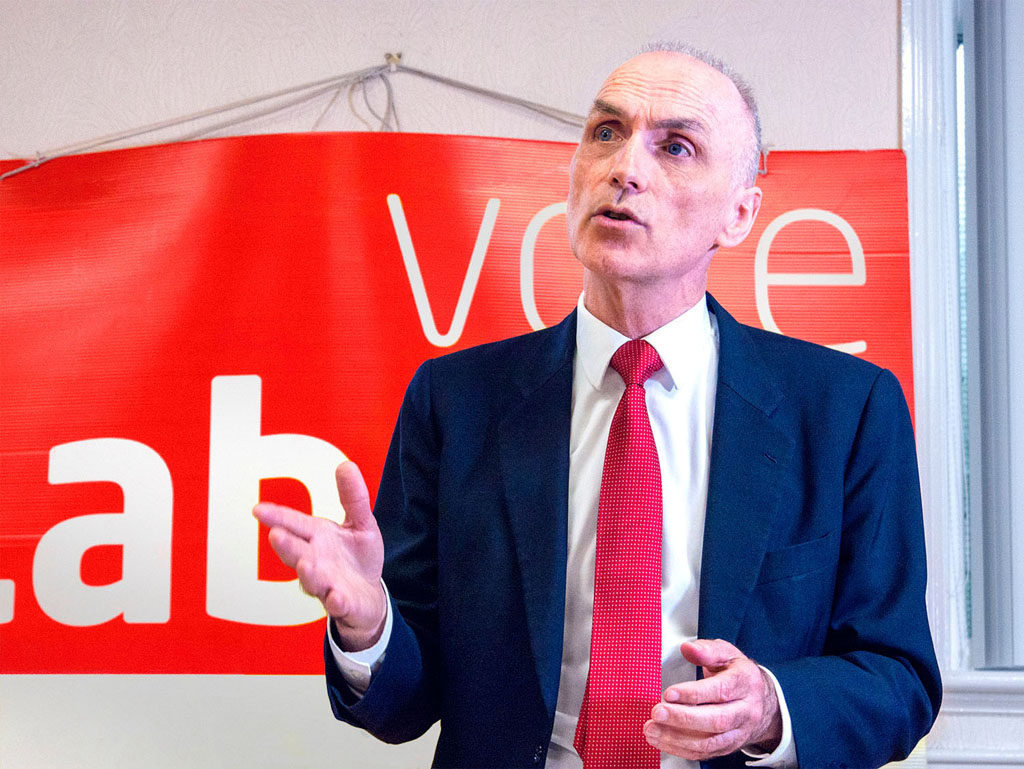
The left and the labour movement internationally must stand shoulder to shoulder with our comrades in Brazil, writes CHRIS WILLIAMSON MP
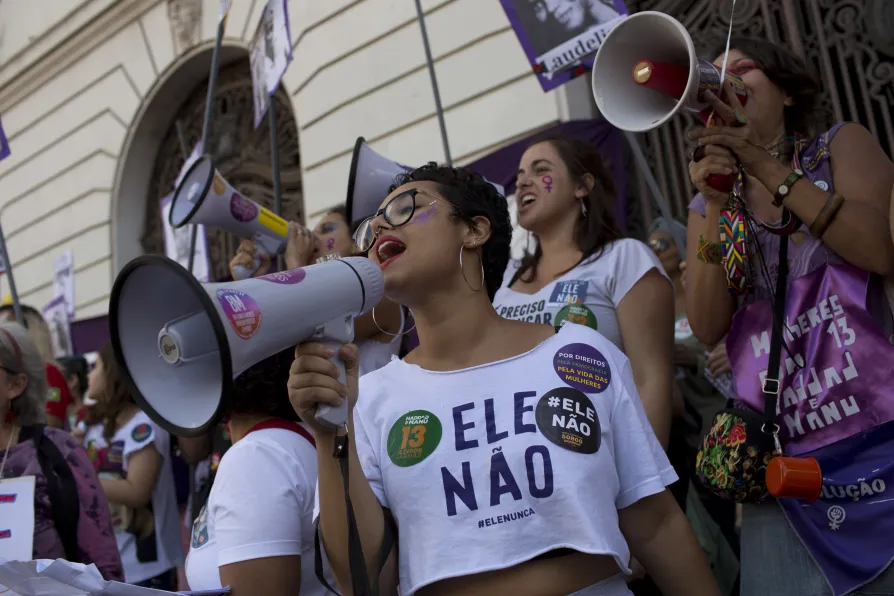 Women attend a demonstration supporting Workers' Party presidential candidate Fernando Haddad and against presidential candidate Jair Bolsonaro of the right-wing Social Liberal Party
by the Greater Manchester Workers’ and Tenants’ Association
The US relationship with Israel has evolved into a strategic liability, argues RAMZY BAROUD
A champion motorcyclist, trade union organiser and communist, Clem Beckett went from Britain’s speedway tracks to the battlefields of Spain, where he gave his life resisting Franco’s forces at Jarama. GEOFF BOTTOMS pays tribute to this remarkable anti-fascist
The greatest threat to democracy may no longer come from political parties but from unelected tech oligarchs like Peter Thiel and his powerful Silicon Valley network, argues JOHN GREEN
Claiming to ease a fertiliser shortage, the Trump administration has suspended tariffs on Moroccan phosphate imports – deepening US support for the Morocco’s control over Sahrawi territory, writes LUKE ROTELLO





BRAZIL heads to the polls on October 28 for the second round of what has perhaps been the most volatile and unpredictable election campaign since the country’s military dictatorship ended in 1989.
The run-off is between the far-right Jair Bolsonaro and Fernando Haddad who is the left-wing Workers’ Party (PT) candidate. Bolsonaro had a commanding lead of more than 16 per cent over Haddad in the first round.
The context to this election is that in the last two years, Latin America’s most populous nation has undergone political upheaval.
It started with the coup that removed PT president Dilma Rousseff. Having failed to get rid of Rousseff (or her predecessor Lula da Silva) via the ballot box, the Brazilian conservative elite removed her through a “parliamentary coup” instead.

Similar stories
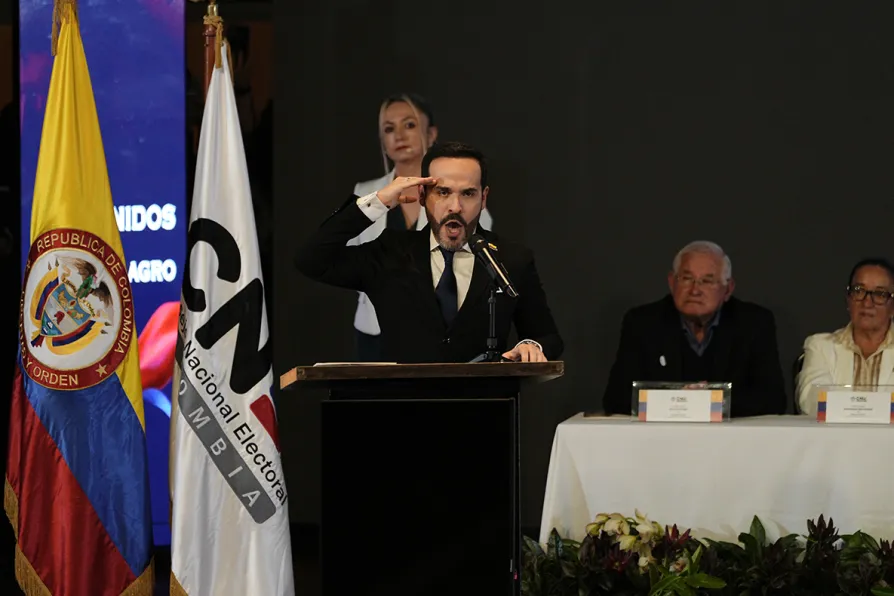
ENRIQUE SANTIAGO ROMERO says the Colombian far-right’s election victory is deeply suspect — and the United States has its fingerprints all over it
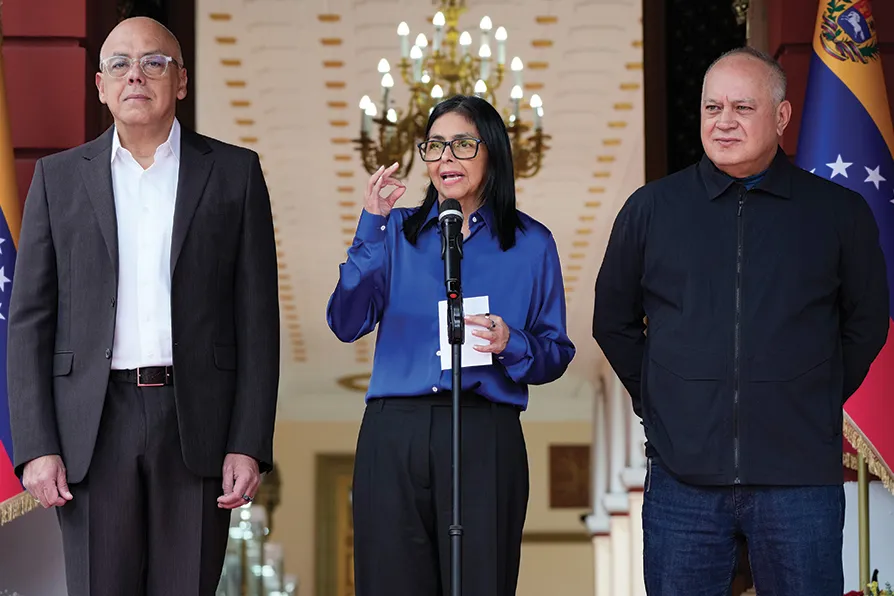
International solidarity can ensure that Trump and his machine cannot prevail without a level of political and economic cost that he will not want to pay, argues CLAUDIA WEBBE
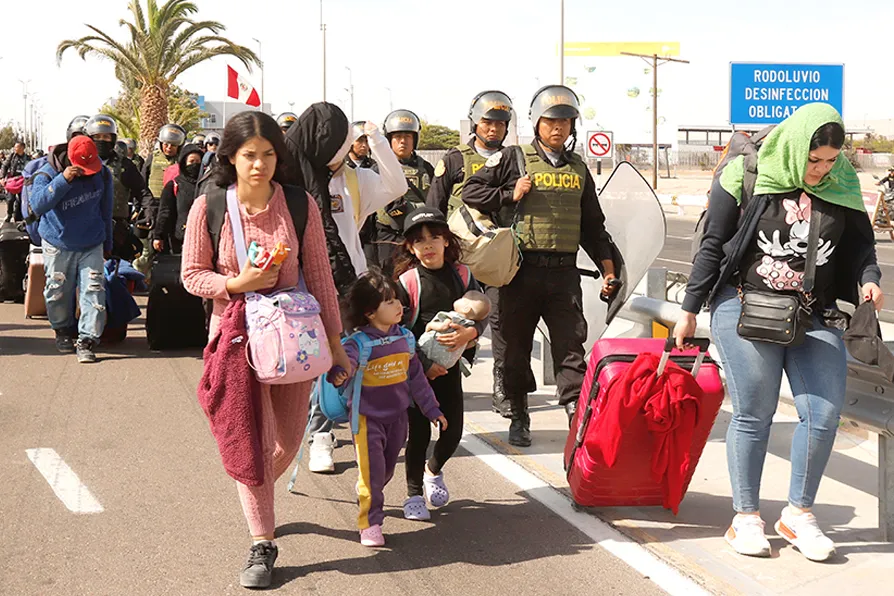
Far-right forces are rising across Latin America and the Caribbean, armed with a common agenda of anti-communism, the culture war, and neoliberal economics, writes VIJAY PRASHAD