ROB WARZYNIAK wades knee deep through a pile of ‘dead canaries’ of Trumpist policies which exacerbated the horrors of US capitalism domestically


 Latest editorial

British foreign policy – cui bono?
Questions remain unanswered over the government-funded Integrity Initiative. What have ministers got to hide, asks CHRIS WILLIAMSON
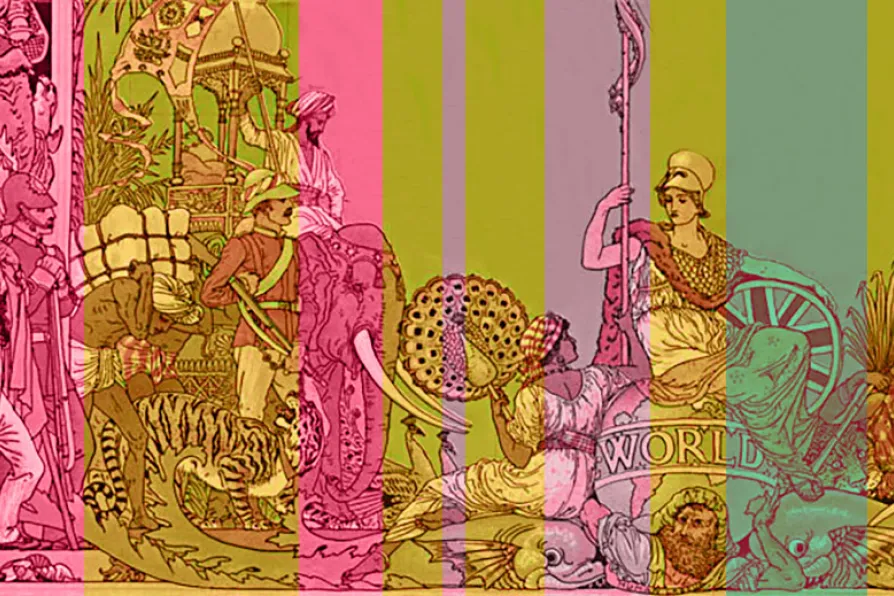
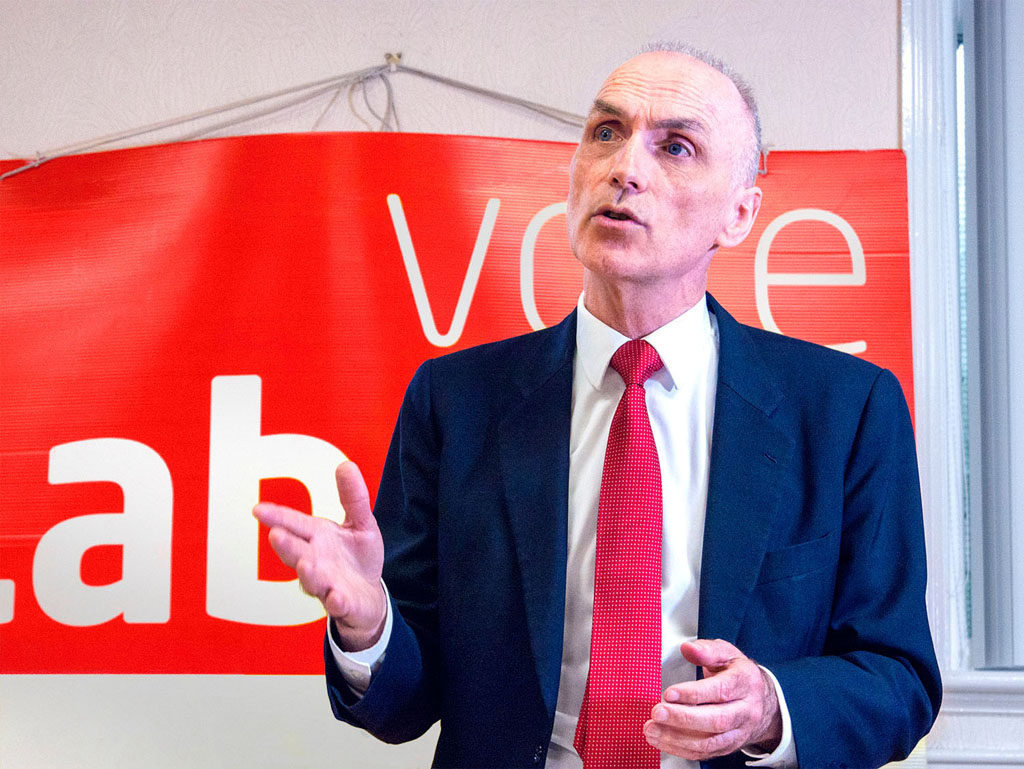

Without evidence or Nato consultations Berlin’s answer to the Leipzig incident is a rupture of relations. SEVIM DAGDELEN examines why
FRANCISCO DOMINGUEZ introduces the background to a conference on defending Latin America’s sovereignty
The glacier collapse in Nepal is yet another warning that a warming planet is making Himalayan disasters more frequent and destructive – but the countries facing the greatest risks are often those least responsible, says LI YANG
Nick Blair is set to benefit from a hugely lucrative contract to ‘virtually’ train the British army for its next war. Like father, like son, writes SOLOMON HUGHES
Even when tragedy strikes, Western media cannot resist the opportunity to turn it into a sordid propaganda opportunity, as the Nepal-China border tragedy shows, writes CARLOS MARTINEZ
Trade unions should be at the heart of the anti-racist push for reparations for the historic legacy and continuing impact of slavery, writes ROGER McKENZIE





WHOSE interests does British foreign policy serve? It certainly doesn’t serve the interests of the British public.
But then British foreign policy never has done. It has always been about the interests of wealthy elites and corporate capitalism, and yet we’re supposed to live in a democracy?
War, or the threat of war, is a highly profitable endeavour, and during the cold war, the British Establishment had a ready-made bogeyman.
But for the past 30 years they have been forced to invent new ones to justify Britain’s covert and military intrusions.

Similar stories
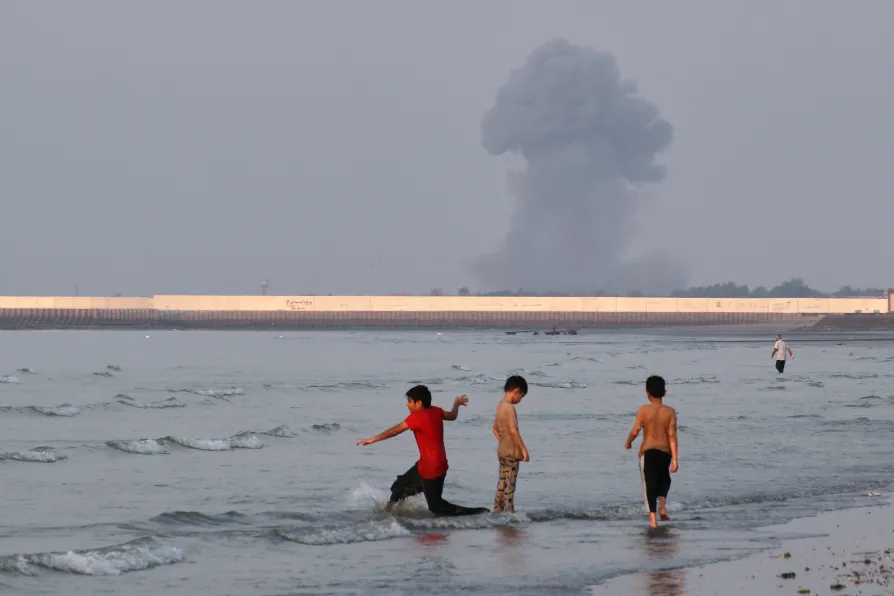
Behind the language of military strategy is a confrontation that risks drawing the wider Middle East into war, says STEVE BISHOP
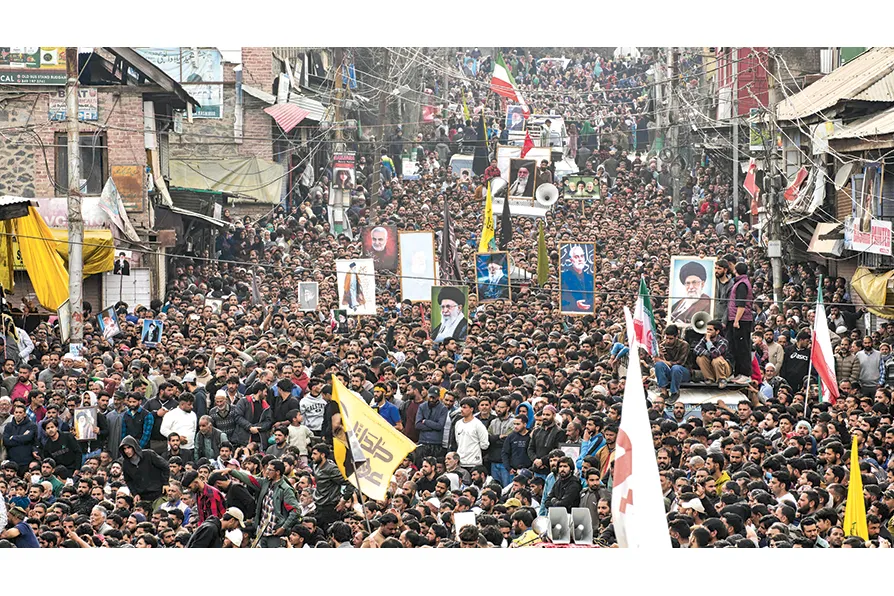
DIANE ABBOTT exposes Keir Starmer's doublespeak on Britain’s involvement in the Iran war but takes heart from the growing organisation of the opposition to it
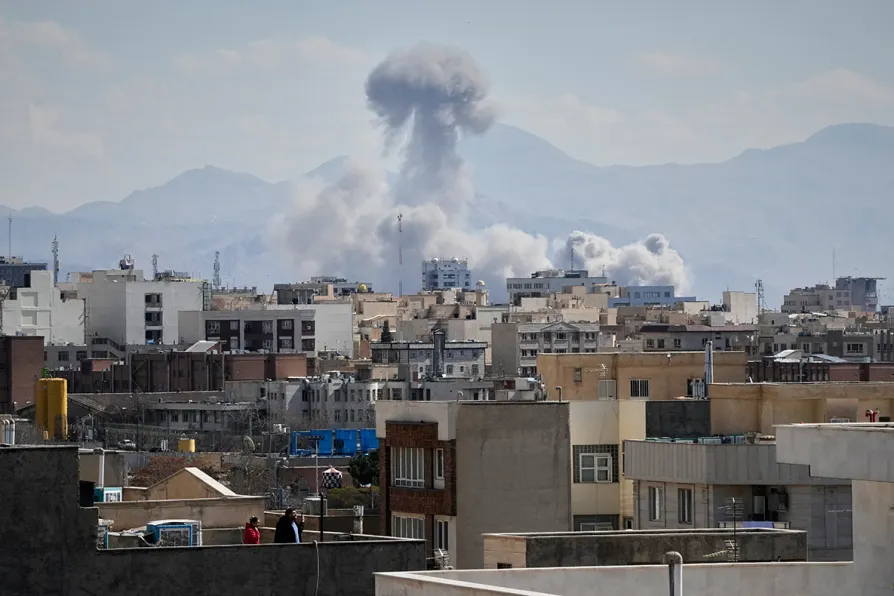
Tehran retaliates with attacks on Israel, the Gulf Arab states and crude oil flows
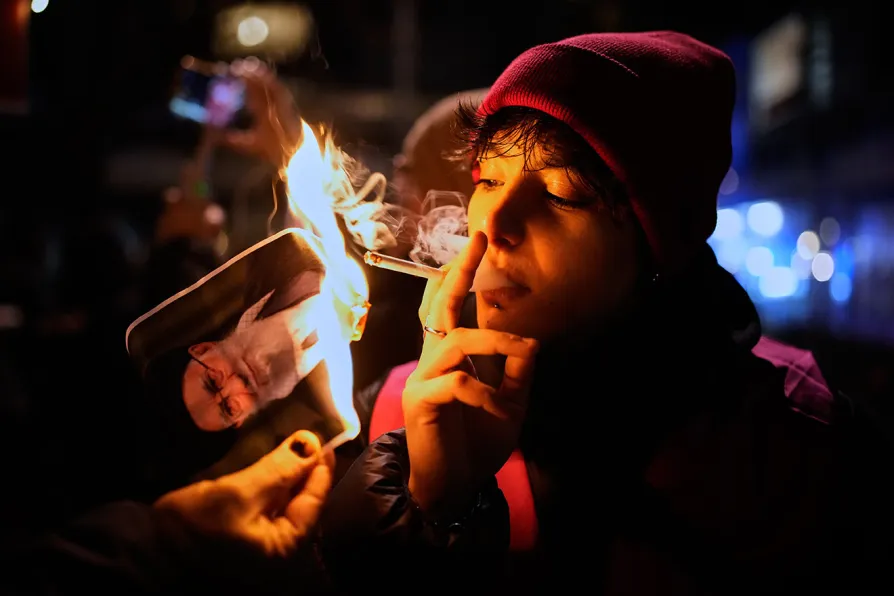
MOHAMMAD OMIDVAR, a senior figure in the Tudeh Party of Iran, tells the Morning Star that mass protests are rooted in poverty, corruption and neoliberal rule and warns against monarchist revival and US-engineered regime change