


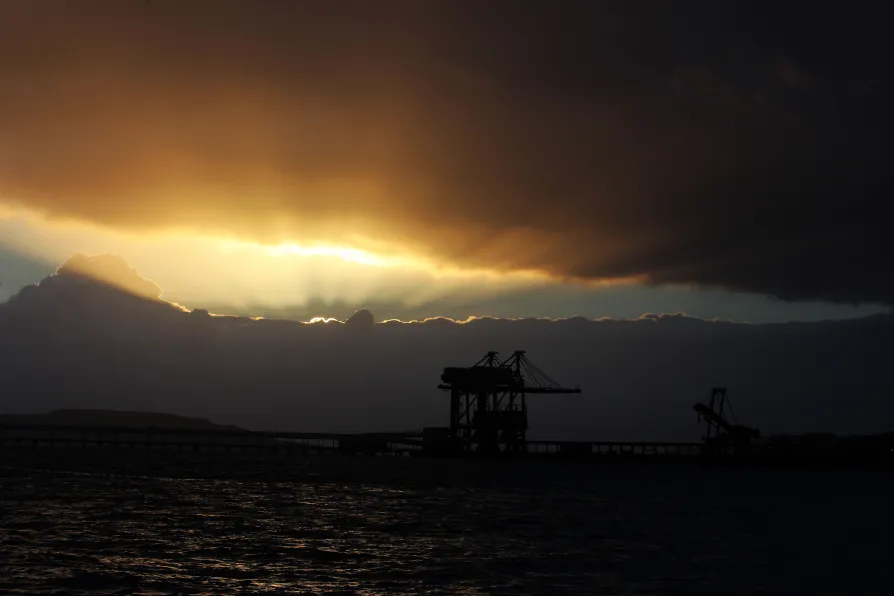
 The sun sets over Hunterston Terminal, a coal-handling port located at Fairlie on the Firth of Clyde in North Ayrshire n February 2013
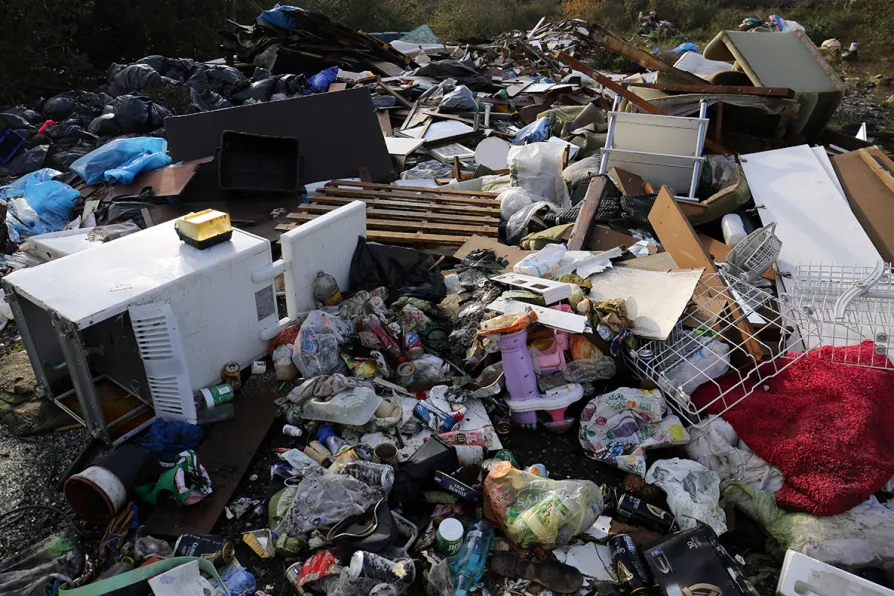





A NEW train factory and gas power station could restore an area of Scotland “decimated by Thatcher” to “national economic importance,” North Ayrshire’s Labour council leader Joe Cullinane said today.
The Hunterston site was originally an iron ore terminal port, and was used to import coal until 2016, when Longannet power station closed.
Now Peel Ports, the site’s owner, has announced a 20-year development plan including proposals for a train manufacturing plant, a liquid natural gas terminal, a combined cycle gas turbine power station and plastics recycling and storage.

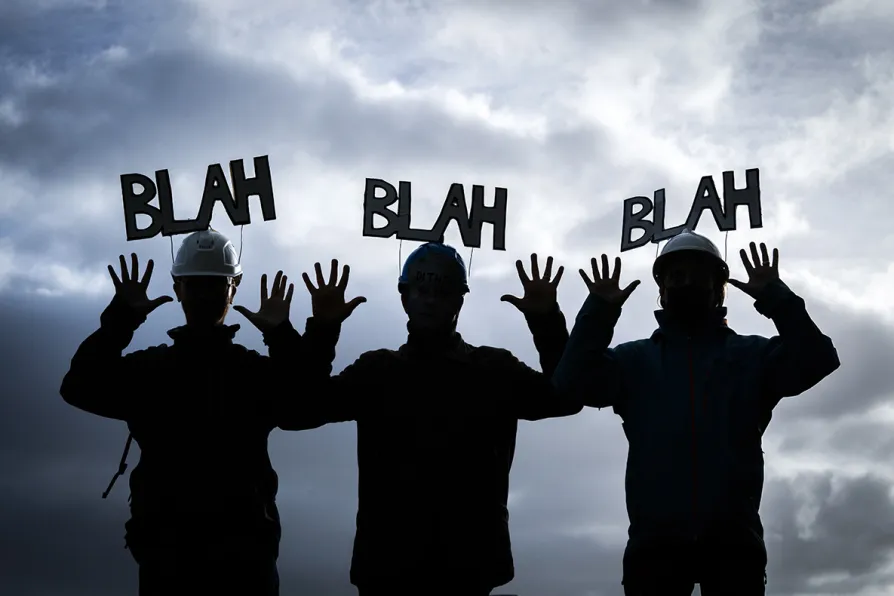
Is the Scottish government in favour of drilling or not? Evasiveness and incoherence are the order of the day, argues KENNY MacASKILL
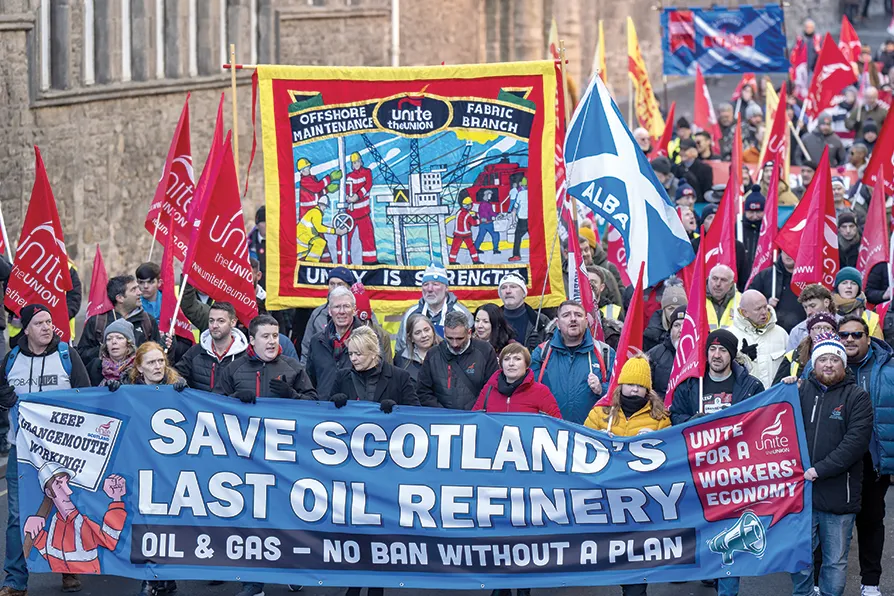
As fossil fuels have had their day, JOSIE MIZEN makes it clear that it is now the government’s responsibility to initiate the transition to alternative employment in a manner that is organised, efficient and effective
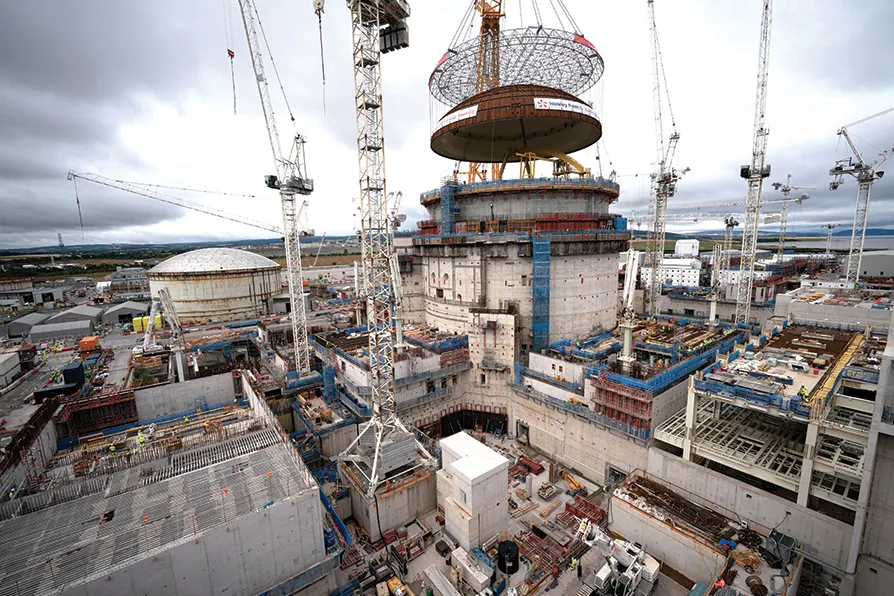
The Communist Party of Britain’s Congress last month debated a resolution on ending opposition to all nuclear power in light of technological advances and the climate crisis. RICHARD HEBBERT explains why
