From London’s holly-sellers to Engels’s flaming Christmas centrepiece, the plum pudding was more than festive fare in Victorian Britain, says KEITH FLETT


 Latest editorial

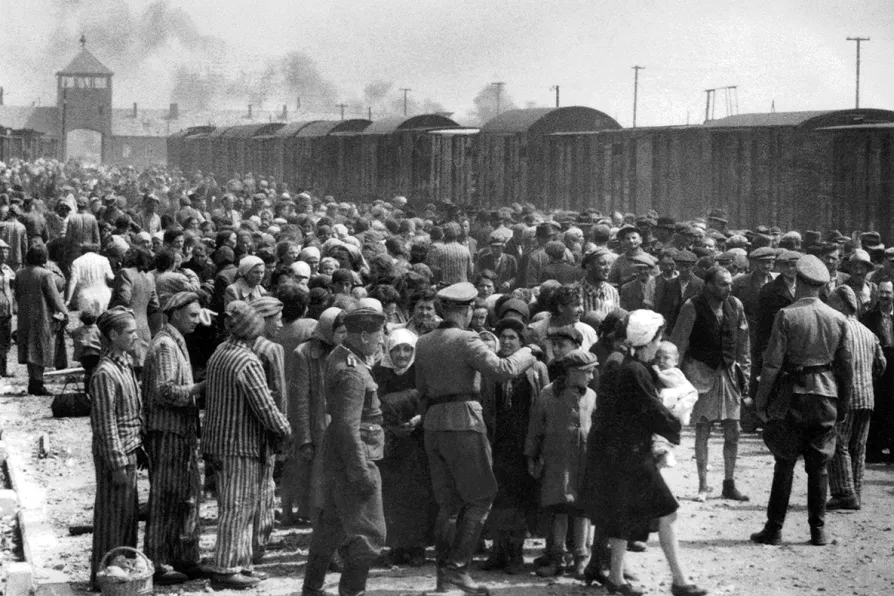
Combatting Holocaust denial and the new far right
The Star speaks with Professor Sir RICHARD EVANS, author of the acclaimed The Third Reich Trilogy and long-standing campaigner against Holocaust denial
 A damaged gravestone in Rainsough Jewish Cemetery in Prestwich, after vandals pushed over and smashed gravestones, in June 2005

Once the bustling heart of Christian pilgrimage, Bethlehem now faces shuttered hotels, empty streets and a shrinking Christian community, while Israel’s assault on Gaza and the tightening grip of occupation destroy hopes of peace at the birthplace of Christ, writes Father GEOFF BOTTOMS
From a lockdown digital project to a vital tool for class solidarity, ROBERT POOLE and HENRY FOWLER reflect on half-a-decade of struggle
After years hidden away, Oldham’s memorial to six local volunteers who died fighting fascism in the Spanish civil war has been restored to public view, marking both a victory for campaigners and a renewed tribute to the town’s proud International Brigade heritage, says ROB HARGREAVES
The June 2025 attacks on Iran have heightened the risk of a wider war, exposed the fiction of a rules-based international order and left ordinary Iranians trapped between external aggression and internal repression, says the Committee for Defence of Iranian People’s Rights
While pretending to seek peace, Europe is heading toward a collision course with Russia – using security guarantees, troop deployments, expropriation and censorship as tools, writes SEVIM DAGDELEN
A WWI hero, renowned ornithologist, medical doctor, trade union organiser and founder member of the Communist Party of Great Britain all rolled in one. MAT COWARD tells the story of a life so improbable it was once dismissed as fiction





BEN CHACKO: Your work defending Deborah Lipstadt from a lawsuit by David Irving after he sued her for accusing him of Holocaust denial show that you have always taken the importance of the historical record seriously. A number of recent developments suggest the history of the second world war is being falsified by nationalist and far-right groups in a variety of countries.
In Poland, we saw a row go international over a proposed law that would have made it an offence to accuse Poland of complicity in the Holocaust; in Latvia, we have the regular march of Waffen SS veterans who are paid pensions for their wartime activity by the government; in Ukraine in 2016 we saw a national holiday created in honour of Symon Petliura, whose anti-Bolshevik separatist government oversaw pogroms that killed tens of thousands of Jews, and now one honouring Stepan Bandera, whose Ukrainian Insurgent Army killed tens of thousands of Jews and Poles in active collaboration with the nazis. Why do you think it is becoming fashionable to claim these people as heroes?
RICHARD EVANS: Eastern European countries have a disturbing tendency to regard the Soviet Union as a worse and more brutal historical regime than Nazi Germany. This has led them to glorify anyone who resisted the Soviet domination of their countries or opposed the Soviet Union in any way, especially if they claimed to be acting in the national interest. This is a disturbing trend.

Similar stories

As Britain marks 80 years since defeating fascism, it finds itself in a proxy war against Russia over Ukraine — DANIEL POWELL examines Churchill’s secret plan to attack our Soviet allies in 1945 and traces how Nato expansion, a Western-backed coup and neo-nazi activism contributed to todays' devastating conflict
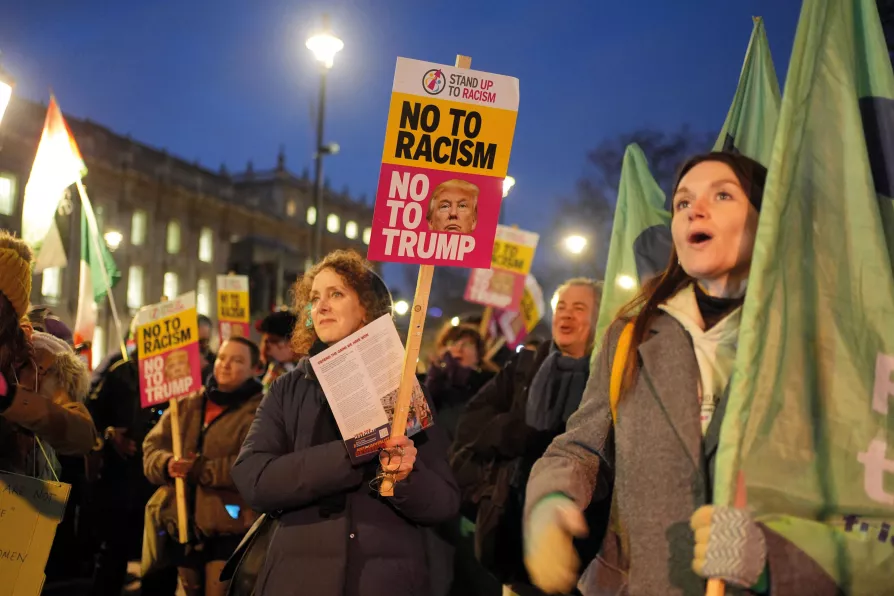
Donald Trump’s inauguration has emboldened fascists in Britain, warns SABBY DHALU
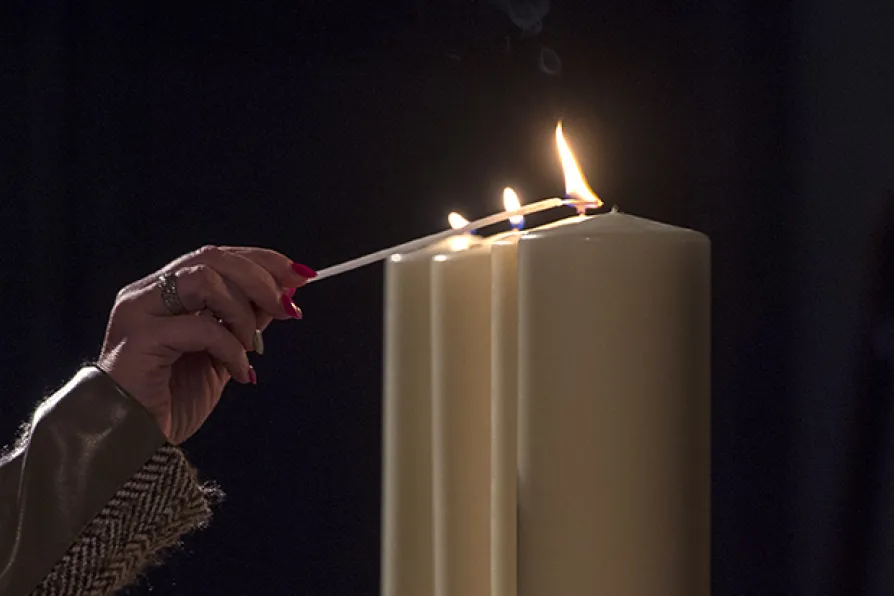
The proponents and enablers of Holocaust distortion and anti-communism now have increasing political power and influence in a number of European countries, obstructing an understanding of the reality of fascism’s crimes, warns MARY DAVIS