
CLAUDIA WEBBE speaks out against the lethal mechanics of Britain’s culture-war press


Hitler – the compromiser?
Nathan Stoltzfus speaks to Ian Sinclair about his new book in which he traces the complex relationship between Adolf Hitler, the nazi party and German society at large
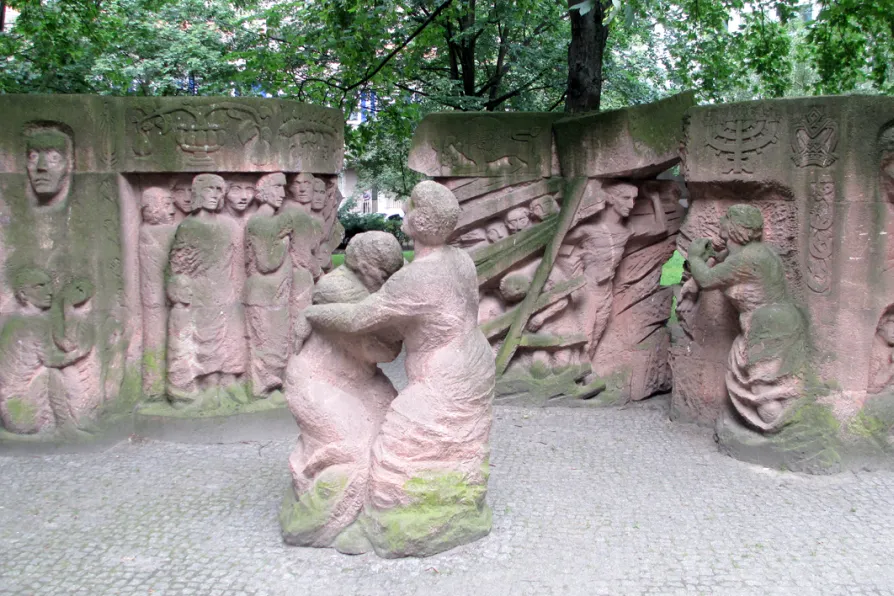
 Block der Frauen – by Ingeborg Hunzinger commemorates the Rosenstrasse Protest
[Avi1111 dr. avishai teicher/Creative Commons]
Block der Frauen – by Ingeborg Hunzinger commemorates the Rosenstrasse Protest
[Avi1111 dr. avishai teicher/Creative Commons]
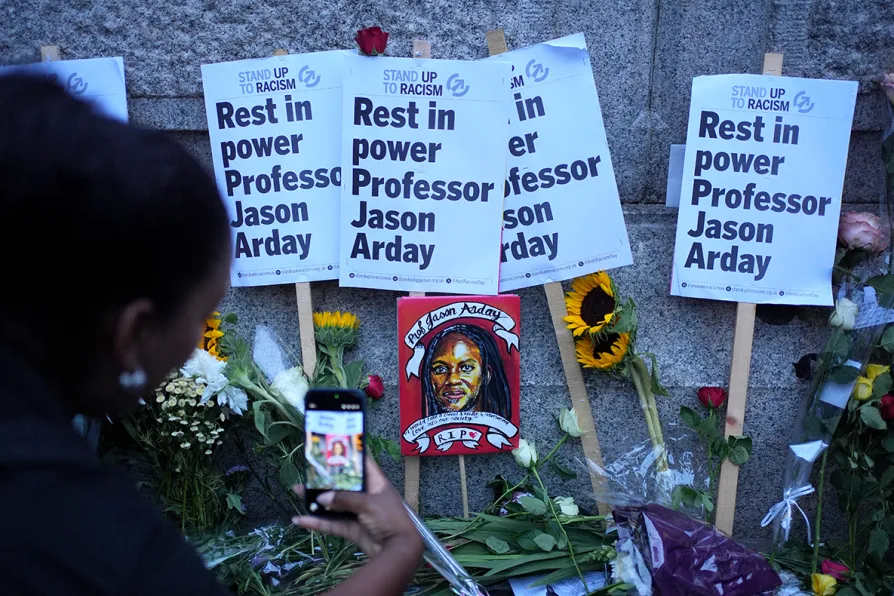
Powerful agribusiness interests are trying to overturn efforts by the Lula government to protect the environment and indigenous peoples of the Amazon region, writes GABRIELA SA PESSOA
Trade unions and community groups are mobilising to push back against Trump’s racist raids after new revelations of spying on legal protesters. MARK GRUENBERG reports from the US state of Minnesota
The best wildfire service may begin with the community, argues KOMAL RAJ ARYAL
The evolution of the Scottish nationalist leadership into cheerleaders for Nato has led the party to betray its pledges on Palestine and social spending, writes COLL McCAIL
While riding the No 3 bus in Glasgow MATT KERR has ample time to dissect the moribund Scottish Labour decline into near oblivion and watch intriguing bus passenger dynamics





THE popular perception of Adolf Hitler is of an all-powerful leader, the most evil individual in modern history, using extreme barbarity to crush his opponents at home and abroad.
In 2016’s Hitler’s Compromises: Coercion and Consensus in Nazi Germany Nathan Stoltzfus, professor of Holocaust Studies at Florida State University in the US, challenges this simplistic representation, raises important questions about our understanding of the nazis in power, while providing a hopeful analysis about the possibility of non-violent resistance in highly repressive societies.
What is the central thesis of your book?

Similar stories
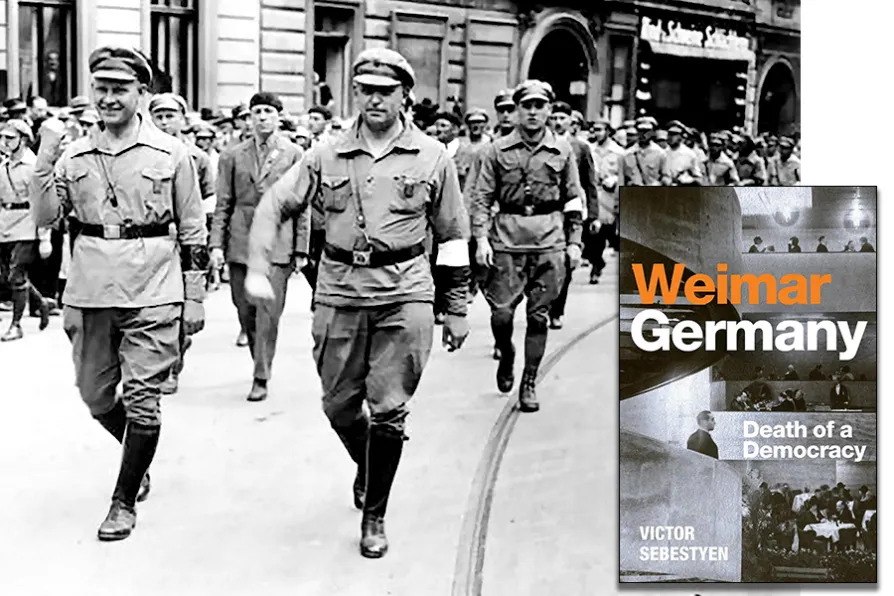
GORDON PARSONS recommends an entertaining account of the years between Germany’s defeat in WWI and Hitler’s seizure of power
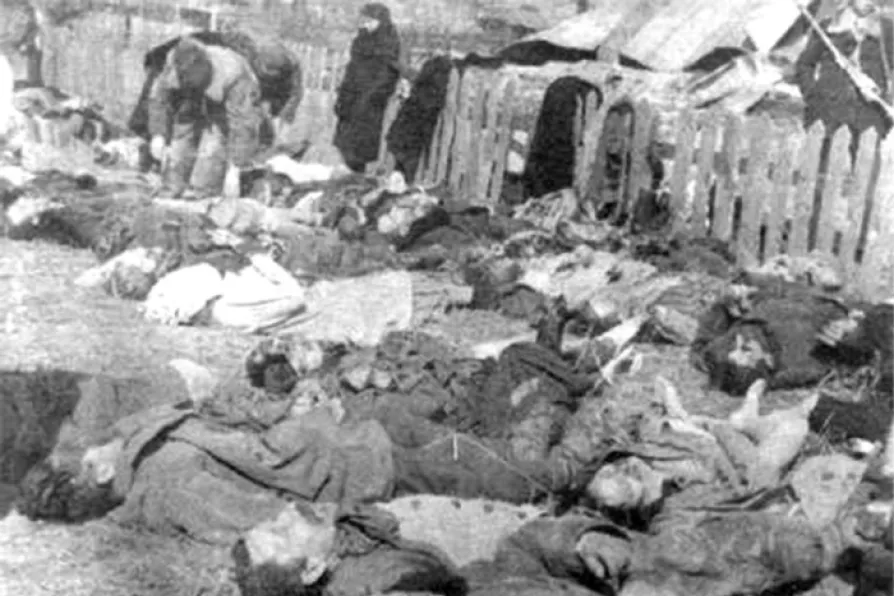
Poland’s anger over Ukraine’s celebration of the Nazi collaborationist UPA reflects more than historical grievance, says KENNY COYLE
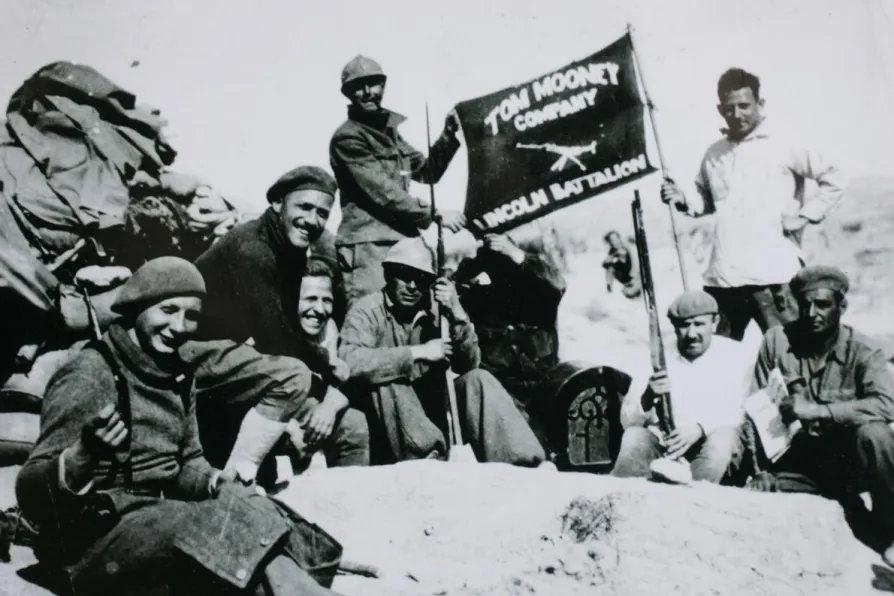
CJ ATKINS commemorates one of the most dramatic moments in working-class history
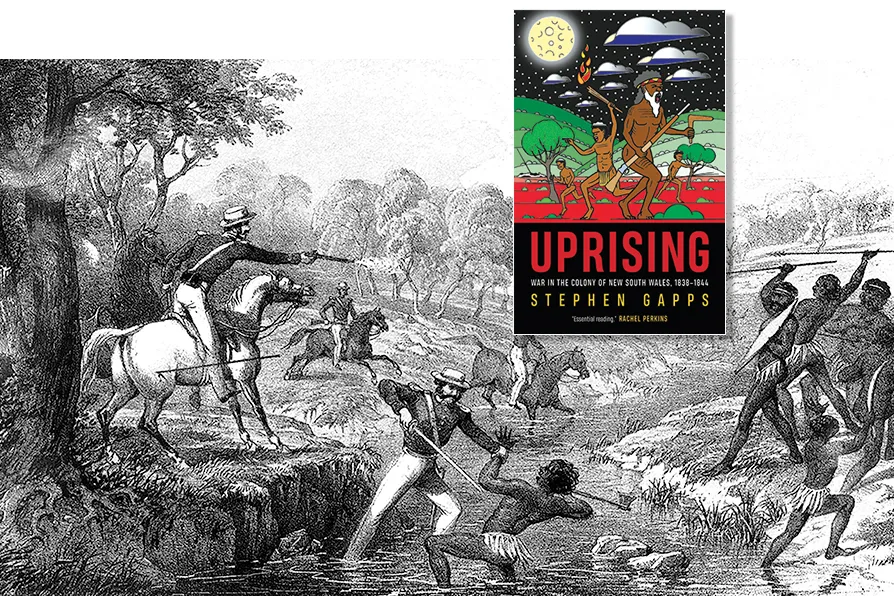
HEIDI NORMAN welcomes a new history of the Aboriginal resistance to white settlers in New South Wales