
The UK Prime Minister may have the regal touch in northern England, but he’s been wrong-footed on the constitutional challenges posed by the Celtic Alliance of first ministers from Scotland, Wales and Northern Ireland, argues KENNY MacASKILL

The historic injustice of Orgreave must be resolved
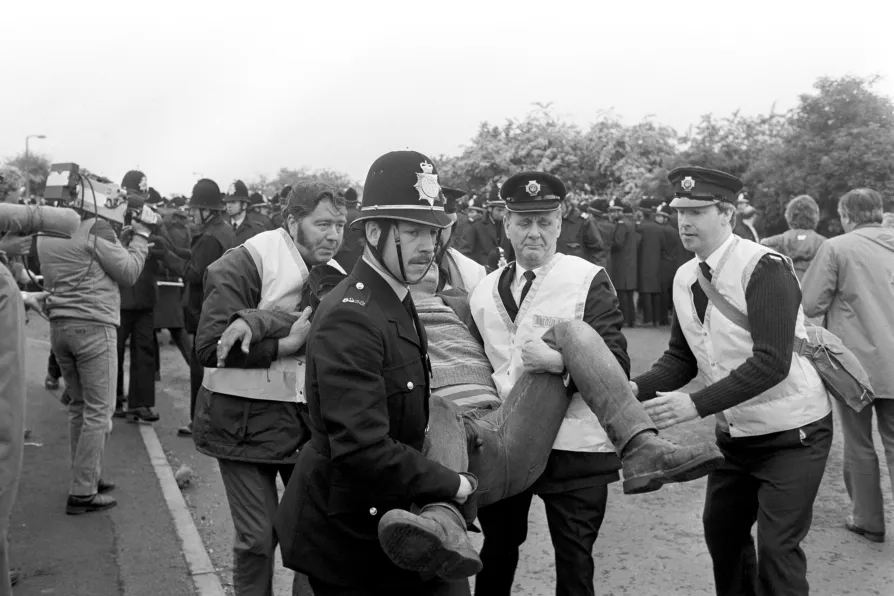
We need to reverse the false narrative created by the Tories about what happened on that fateful day in 1984 – when striking miners were ambushed and subjected to a police riot, says DIANE ABBOTT

NEIRLAY ANDRADE, a member of the Communist Party of Venezuela’s political committee, outlines her party’s position on the crisis facing the country
A look at Taylor Wimpey’s accounts shows why Labour’s market-led housing strategy won’t deliver more, cheaper homes, as promised, says SOLOMON HUGHES
DAVID HORSLEY remembers the remarkable life and death of US black revolutionary George Jackson, whose politically passionate prison letters were published as Soledad Brother
Cuban trade union federation CTC leader OSNAY MIGUEL COLINA speaks to Ben Chacko about life and work under a crippling US siege
A part of the British empire’s network of slavery, today the Caribbean island of Nevis faces a new form of exploitation in the form of crypto-colonialism, CLAUDIA WEBBE writes
Challenges from the unscrupulous misuse of AI to steal actors’ voice and physical likenesses is being met with a firm union response, writes LYNDA ROOKE





THREE years ago this month, the 2016 Tory home secretary Amber Rudd refused to establish an inquiry into one of the most violent assaults by police on workers during an industrial dispute in Britain.
She believed there was no sufficient basis for an Orgreave inquiry, because she felt that there was no miscarriage of justice, there was nothing new for the police to learn, it was a long time ago and nobody died at Orgreave.
The Orgreave Truth and Justice Campaign (OTJC) continues with its commitment to the fight for truth and justice and a public inquiry into the policing of miners picketing the Orgreave coking plant on June 18 1984 during the miners’ strike.

Similar stories
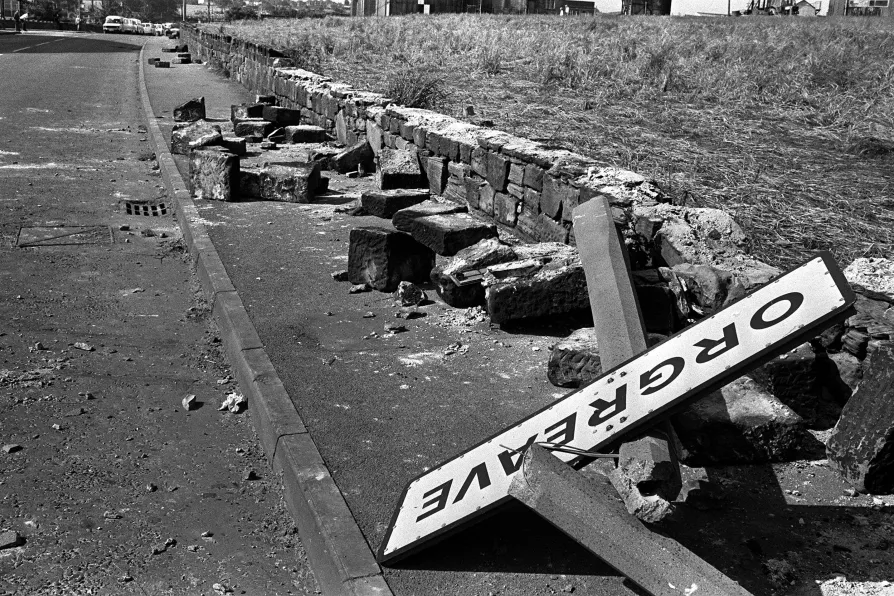
The public inquiry is the result of more than a decade of determined campaigning. Now, those who fought for justice want the full story of government involvement and police conduct to be told, says KATE FLANNERY

The Met Police's refusal to act against British nationals accused of war crimes in Gaza is a green light for Israel's genocide, writes CLAUDIA WEBBE
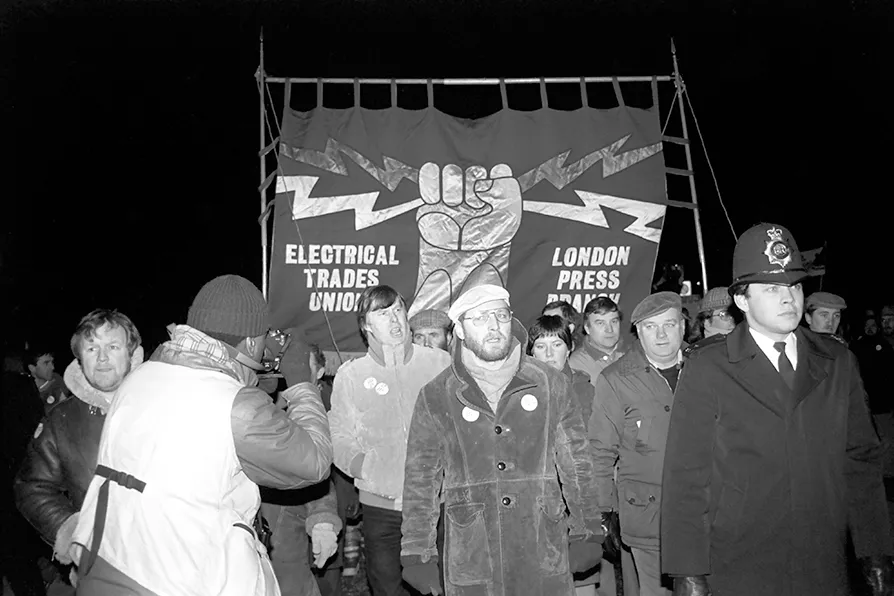
A past confrontation permanently shaped the methods the state will use to protect employers against any claims by their employees, writes MATT WRACK, but unions are readying to face the challenge
KIM JOHNSON MP places the campaign in the context of the history of the working-class battles of the 1980s, and explains why, just like Orgreave and the Shrewsbury Pickets before it, justice today is so important for the struggles of tomorrow