Committee for the Defence of the Iranian People’s Rights general secretary GAWAIN LITTLE discusses the impact of the US-Israeli war on the Iranian people and economy


 Latest editorial

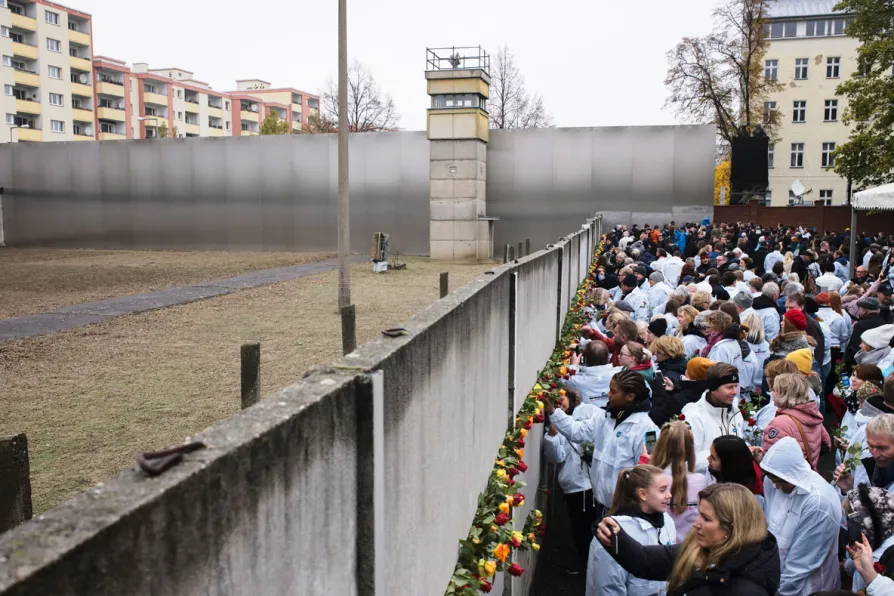
Berlin Wall: 30 years since the collapse of working-class power
NICK WRIGHT argues that we need to think how socialism can be defended

Capitalism has extracted itself from crisis before, argues PRABHAT PATNAIK – but through methods no longer available. So it is turning to authoritarianism, militarism and neocolonialism
The five young men killed in the A66 crash were responsible for a devastating tragedy — but the crash should force us to ask difficult questions about wider society, argues RENATA MEDEIROS MIRRA
Britain funds the policing of black culture 16 times better than the culture itself. The Diamond Jubilee is the moment to end that, argues CLAUDIA WEBBE
Despite Andy Burnham’s declaration defending the continued partition of the island, all major international and internal trends are converging to make Irish reunification inevitable
Humans are part of the ‘animal kingdom’ – and of nature in general – but also distinct from it and labour (work) is part of what makes us unique, declared Engels. His insights 150 years ago into how our species came to be and how we differ from the rest of nature, are as important today as they were then, says the MARX MEMORIAL LIBRARY





WHEN thousands of people streamed through the Berlin Wall 30 years ago it seemed to signify the defeat of an ideal, the end of an ideology and a value system. The Berlin Wall — or as it was described in socialist Germany, the Anti-fascist Protection Barrier — marked the boundary between two totally opposed social systems.
1989 ended the first era in which full public ownership defined the economies of any European state. The demise of the first anti-fascist state on German soil — in the modern context of the wholesale dismantling of socialism on our continent — raises vital questions which the working-class movement has yet to tackle.
If by revolution we mean a complete change in the way in which society is organised then the events of 1989 were a complete counter-revolution.

Similar stories
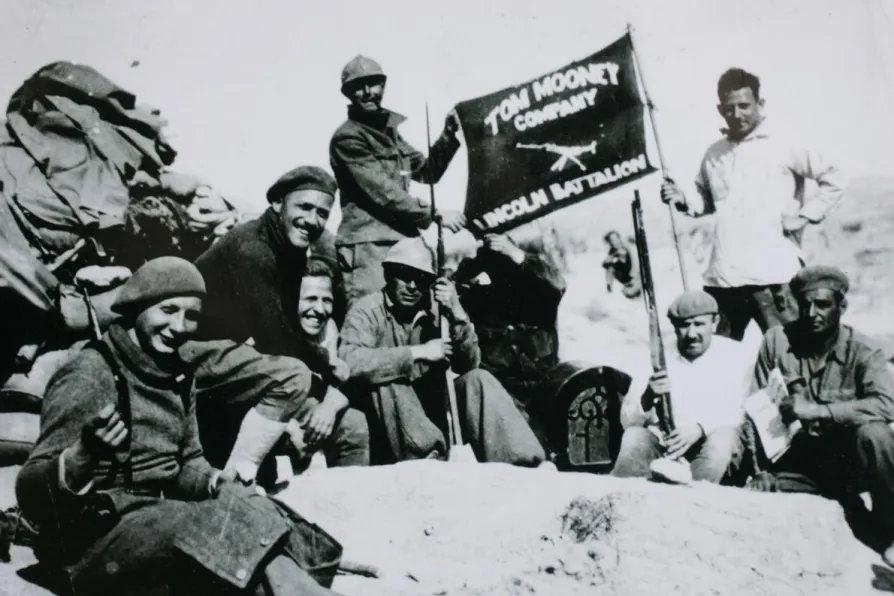
CJ ATKINS commemorates one of the most dramatic moments in working-class history

MOHAMMAD OMIDVAR, a senior figure in the Tudeh Party of Iran, tells the Morning Star that mass protests are rooted in poverty, corruption and neoliberal rule and warns against monarchist revival and US-engineered regime change
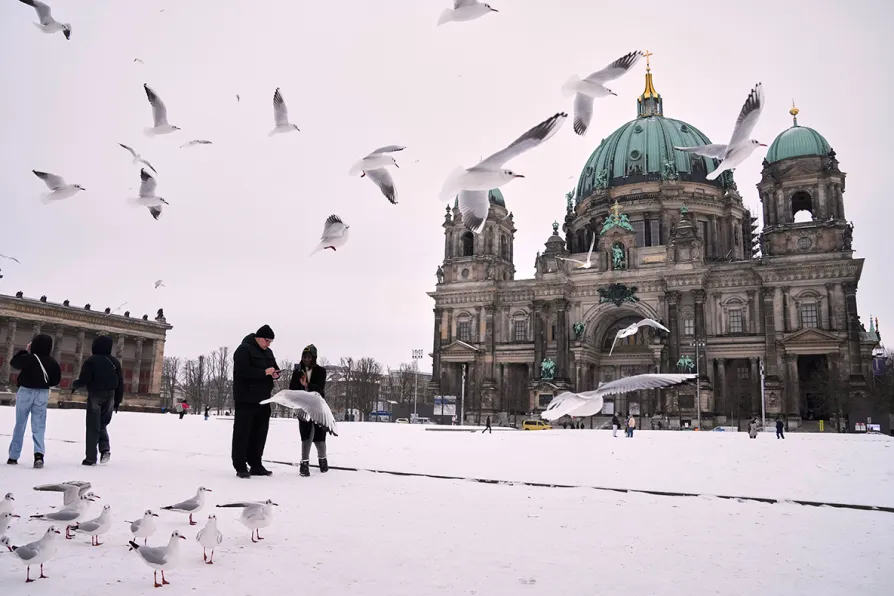
NICK WRIGHT returns to Berlin and finds a city in darkness and political turmoil

NICK MATTHEWS recalls how the ideals of socialism and the holding of goods in common have an older provenance than you might think