TUC president and POA leader STEVE GILLAN speaks to Ben Chacko on the eve of Congress 2026


 Latest editorial
Johnson discovers ‘people we didn’t know exist’
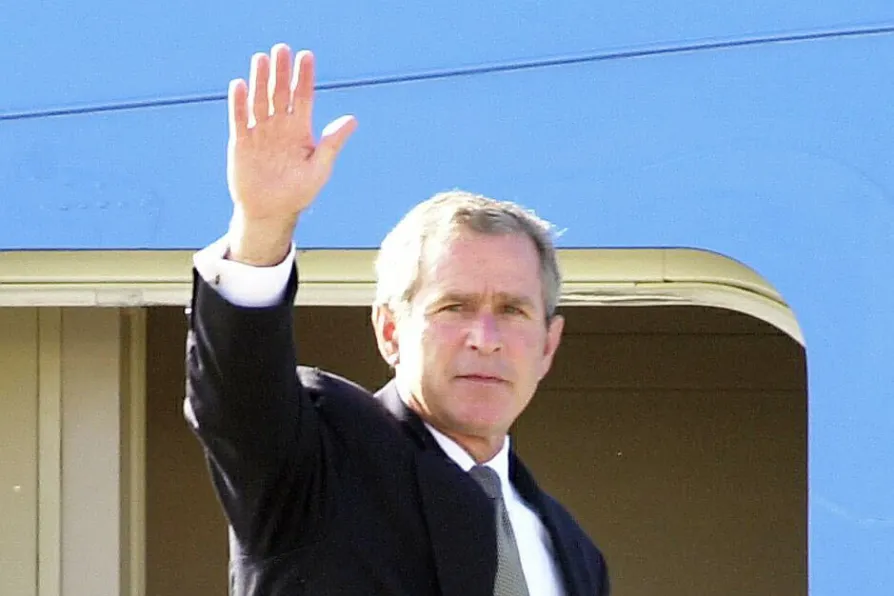
The Prime Minister follows in the footsteps of George W Bush in the wake of Hurricane Katrina, writes KEITH FLETT

DOUG NICHOLLS welcomes a turning point at this year’s Congress, where many motions call for a co-ordinated plan to revive British industry, a perspective outlined in his new book
HOPE VIRGO of campaign Dump the Scales warns MPs voting today they should be alert to the threat legalised assisted death poses to people with eating disorders
The Together Alliance is hosting two summits, North and South, to build power and plan action against the scourge of racism peddled by the right. DANIEL KEBEDE urges mass participation
The drift toward militarisation in Europe is not inevitable, left-wing and peace movements can preserve sovereignty and prevent war, says DÁIRE HUGHES MP
Whatever differences exist among international sympathisers of the Bolivarian revolution about its current trajectory, they should unite against the imperialist power that is the source of an enforced retreat, argues ROGER D HARRIS
Trade unions need to step up and force a turn in the policies of the labour movement to effectively confront the far-right threat, argues NICK WRIGHT





WHEN Henry Mayhew started the series of social investigations into the London working class in 1849 that was to become London Labour and the London Poor, he laid out a prospectus in the Morning Chronicle.
He wrote of investigating the “large and comparatively unknown body of people” that comprised the labouring poor who lived in slum housing, often in insanitary conditions with, at best, uncertain employment. He set a pattern that has emerged at times of crisis since.
When Hurricane Katrina hit New Orleans in 2005, revealing a US government and president in George W Bush who was not only unprepared to deal with it but had reduced funding previously for measures that might have helped, the Federal Emergency Management Agency’s Michael Brown said: “We’re seeing people that we didn’t know exist.”

Similar stories
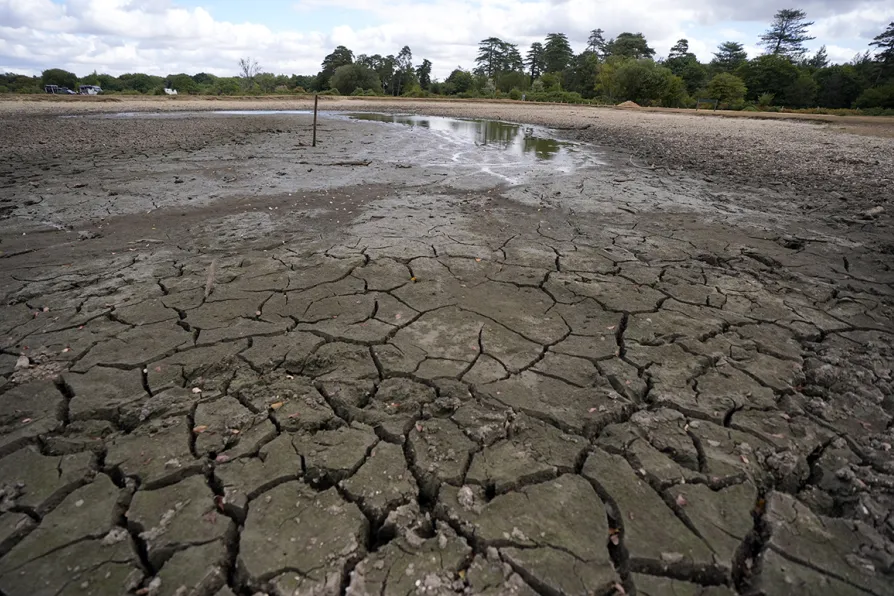
Andy Burnham could learn a few lessons from a previous Labour government in the pre-privatisation era on how to tackle water shortages, writes KEITH FLETT

With more people dying each year and many spending their final days in institutions, researchers argue that wider access to palliative care could offer a more humane and cost-effective alternative, write ROX MIDDLETON, LIAM SHAW and MIRIAM GAUNTLETT
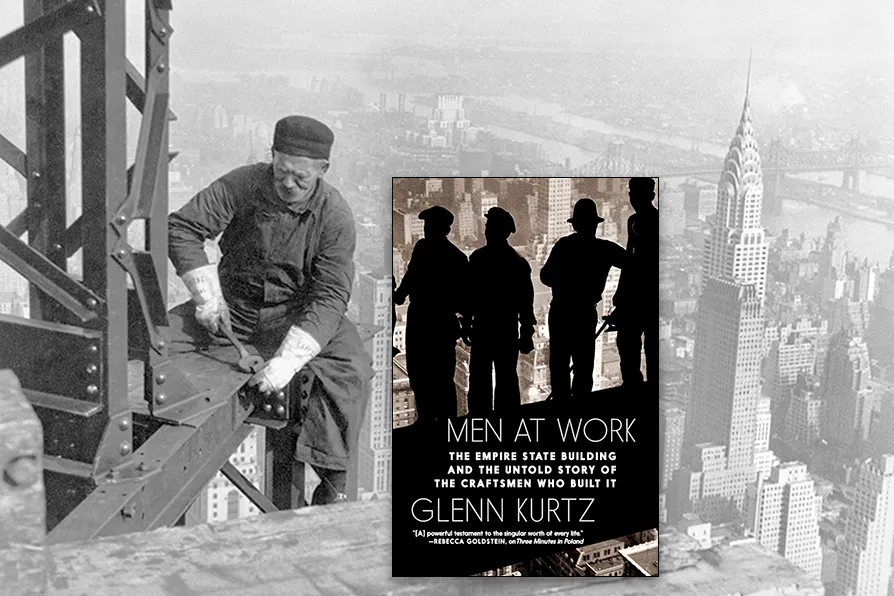
SUE TURNER is fascinated by a book that researches who the largely immigrant workforce were that built the Empire State
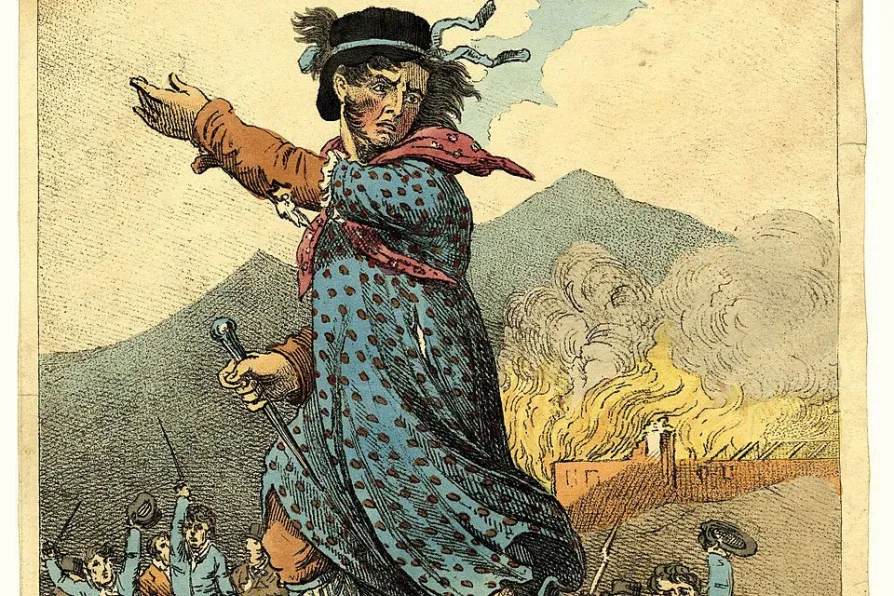
Inspired by a hit TV show, KEITH FLETT takes a look at the murky history of undercover class war