Growing instability in the US economy and financial markets could have serious consequences worldwide because of the central role of the US dollar and financial system, argues MICHAEL BURKE


 Latest editorial

Australia v Facebook & Google: how will the new law affect public-interest journalism?
International Federation of Journalists general secretary ANTHONY BELLANGER speaks to Morning Star editor Ben Chacko about the 'Goliath and Goliath' struggle between old and new media monopolies
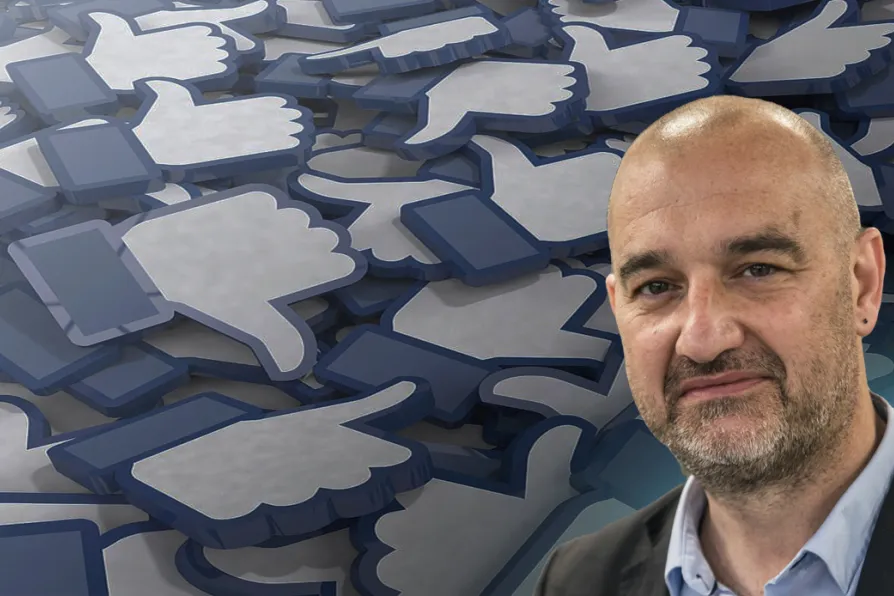 "What this episode has done is expose for all to see the true nature of companies like Facebook and Google. They talk about media freedom and freedom of expression, but their only real interest is how to profit from news"
Despite Andy Burnham’s declaration defending the continued partition of the island, all major international and internal trends are converging to make Irish reunification inevitable
The left needs a bold energy vision – because if it fails to provide one, others will shape the future in their own interests, argues ALAN SIMPSON
From Margate to Deal, mining memories are being kept alive. National co-ordinator for General Strike 100, HENRY FOWLER continued his nationwide tour of partner organisations in the Garden of England
Humans are part of the ‘animal kingdom’ – and of nature in general – but also distinct from it and labour (work) is part of what makes us unique, declared Engels. His insights 150 years ago into how our species came to be and how we differ from the rest of nature, are as important today as they were then, says the MARX MEMORIAL LIBRARY
Boxes of books, family photos and heirlooms, labour movement anniversaries, along with nostalgic memories of glorious childhood days on the Ayrshire coast still leave room for a wistful MATT KERR to hope for a better future





GOVERNMENTS around the world are watching Australia, which became the first country to legislate to make Google and Facebook pay for news content last week.
The process has not been a smooth one – with Facebook dramatically “unfriending Australia” on February 18, shutting down Australian media pages and many more besides. The sweeping cull also cut access to some government and public information websites, as well as those of trade unions.
Facebook relented a few days later, but the message – that the firm is large and powerful enough to wreak havoc with the public’s access to information if it finds government policy objectionable – could hardly be clearer, especially since Facebook’s supposed climbdown came after it had secured further concessions in direct negotiations between Mark Zuckerberg and Australian Treasurer Josh Frydenberg.

Similar stories
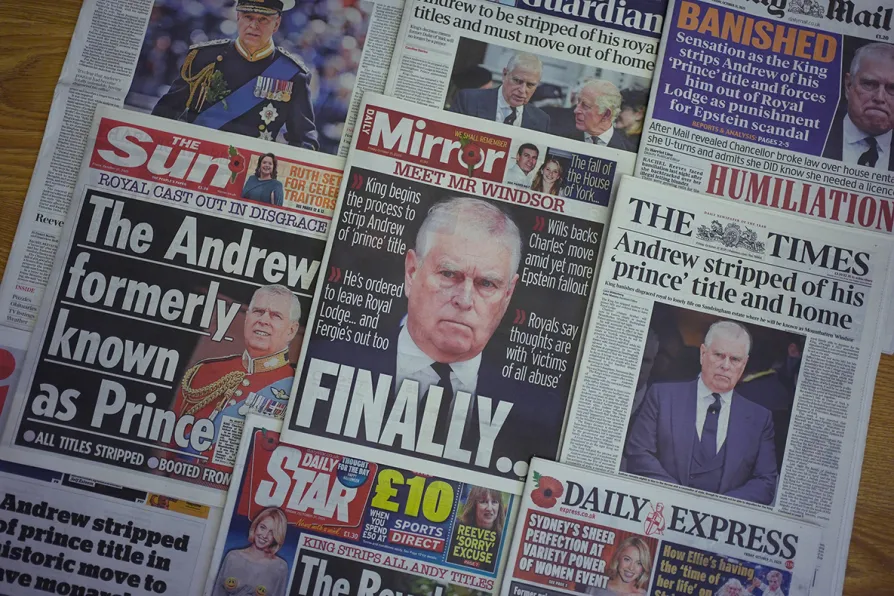
Claims that digital media has rendered press power obsolete are a dangerous myth, argues DES FREEDMAN
![[Pic: Andrew Wiard]](https://msd11.gn.apc.org/sites/default/files/styles/desktop/public/2026-01/19860503_a_wiard_0003.jpg.webp?itok=mR5zV0nE)
The once beating heart of British journalism was undone by technological change, union battles and Murdoch’s 1986 Wapping coup – leaving London the only major capital without a press club, says TIM GOPSILL
![[Pic: Andrew Wiard]](https://msd11.gn.apc.org/sites/default/files/styles/desktop/public/2026-01/19860330_a_wiard_0001JPG.jpg.webp?itok=nkzZbinE)
As advertising drains away, newsrooms shrink and local papers disappear, MIKE WAYNE argues that the market model for news is broken – and that public-interest alternatives, rooted in democratic accountability, are more necessary than ever
It is rather strange that Labour continues to give prestigious roles to inappropriate, controversy-mired businessmen who are also major Tory donors. What could Labour possibly be hoping to get out of it, asks SOLOMON HUGHES