Growing instability in the US economy and financial markets could have serious consequences worldwide because of the central role of the US dollar and financial system, argues MICHAEL BURKE


 Latest editorial

Labour & the local elections: the lessons of 2017 are key to reversing the disasters of 2019-21
Morning Star editor BEN CHACKO says the left needs to set its sights on majority support, however far off it might look
 Pack your bags? Keir Starmer returns to his north London home last night

Despite Andy Burnham’s declaration defending the continued partition of the island, all major international and internal trends are converging to make Irish reunification inevitable
The left needs a bold energy vision – because if it fails to provide one, others will shape the future in their own interests, argues ALAN SIMPSON
From Margate to Deal, mining memories are being kept alive. National co-ordinator for General Strike 100, HENRY FOWLER continued his nationwide tour of partner organisations in the Garden of England
Humans are part of the ‘animal kingdom’ – and of nature in general – but also distinct from it and labour (work) is part of what makes us unique, declared Engels. His insights 150 years ago into how our species came to be and how we differ from the rest of nature, are as important today as they were then, says the MARX MEMORIAL LIBRARY
Boxes of books, family photos and heirlooms, labour movement anniversaries, along with nostalgic memories of glorious childhood days on the Ayrshire coast still leave room for a wistful MATT KERR to hope for a better future





LABOUR’S local election debacle shows that the Tory advance in England has not been reversed by the pandemic. It has accelerated.
The appalling Hartlepool result – in four years the constituency has gone from voting 52 per cent Labour to 51 per cent Conservative – was accompanied by hundreds of council seat losses and, in key mayoral contests, the re-election of incumbent Tories with increased margins (Andy Street in the West Midlands ended up with an eight-point lead over Labour, that had been 0.8 points in 2017; in Tees Valley, Ben Houchen turned a knife-edge 51-49 per cent win over Labour then into a 73-27 landslide).
This was not the pattern everywhere, but it was the general pattern. Tory inroads into Leave-voting Labour areas seen in 2019 are redrawing the political map.

Similar stories

In a wide-ranging interview, JEREMY CORBYN talks to Ben Chacko about the difficulties the new Prime Minister faces and why he sees no future in Labour
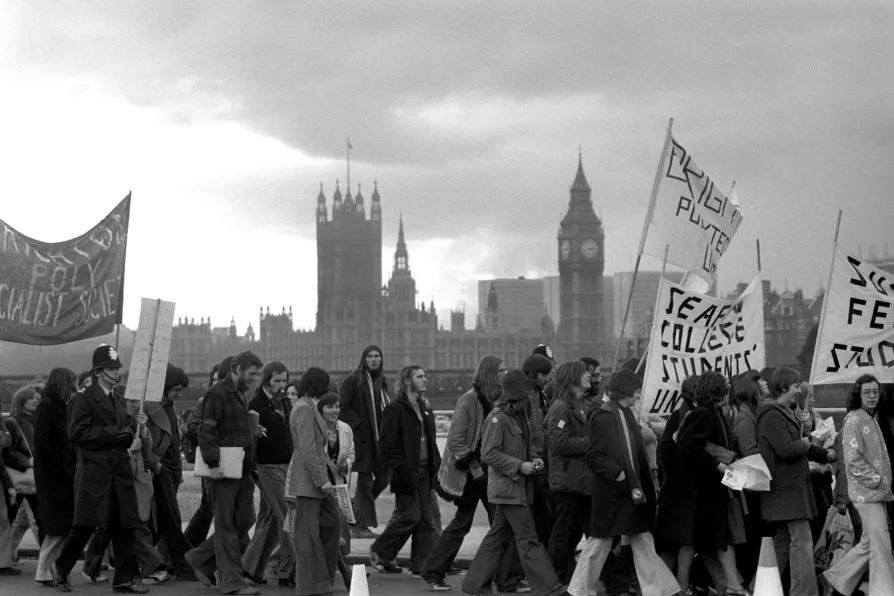
Despite the screeching from the right-wing media, Burnham’s speech chimed with the public mood - and socialists should take advantage, says Morning Star editor BEN CHACKO
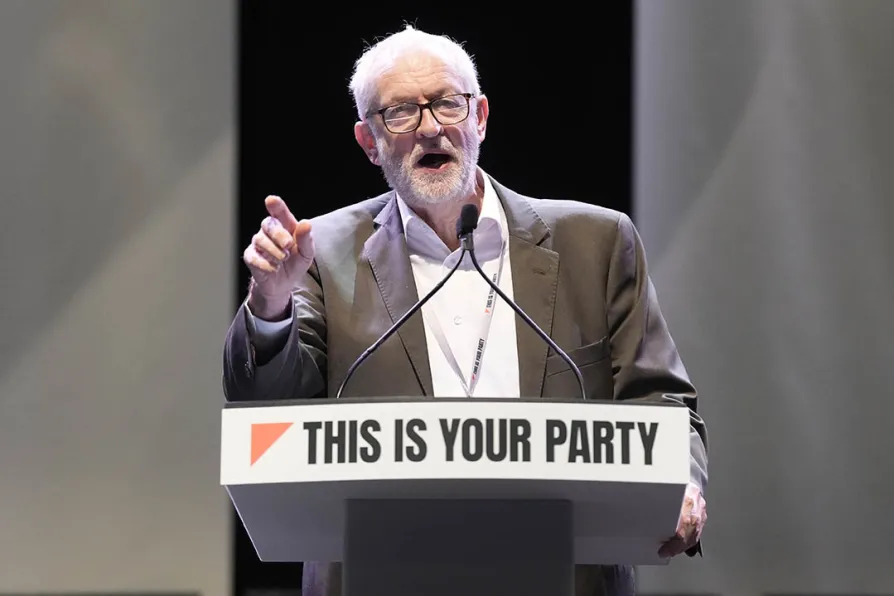
Your Party can become an antidote to Reform UK – but only by rooting itself in communities up and down the country, says CLAUDIA WEBBE
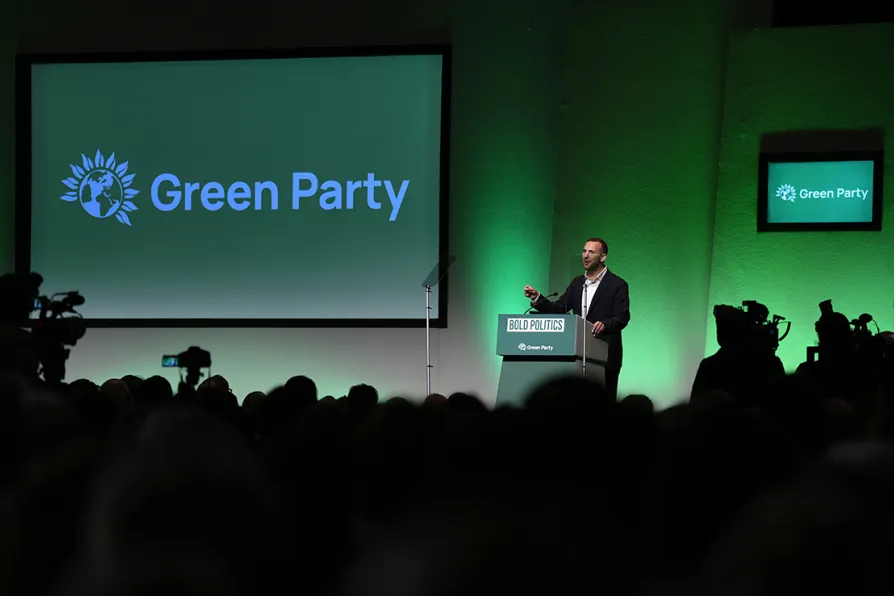
Now at 115,000 members and in some polls level with Labour in terms of public support, CHRIS JARVIS looks at the factors behind the rapid rise of the Greens, internal and external