Police crackdowns on Israeli peace demonstrators combined with court rulings and settler organisations are designed to strip Palestinian families of their homes and land. The Israeli state has tried to silence both Israelis and Palestinians who resist, according to Zo HaDerekh (This Is The Way) the Communist Party of Israel’s Hebrew-language weekly


 Latest editorial

An eloquent lesson in classroom resistance
JOHN GREEN remembers the moment when Stepney Words, a book of poetry by working-class schoolchildren, rocked the East End of London
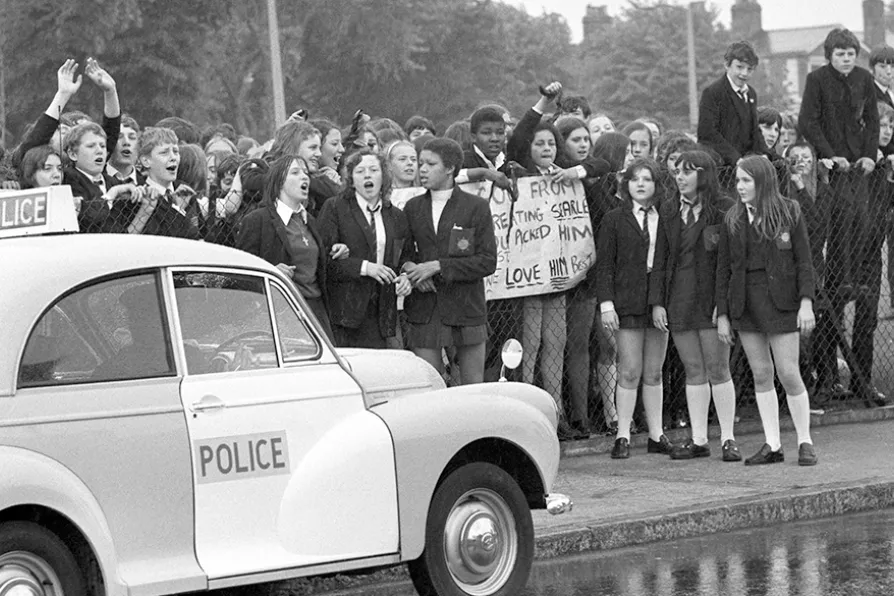 FIGHTING FOR THEIR RIGHTS: Pupils of the Sir John Cass Foundation and Red Coat Church of England Secondary School demand the reinstatement of Christopher Searle

The attacks on black academics are well-funded and relentless, writes DIANE ABBOTT, and they need to be fearlessly resisted by all concerned
Communists in Australia, Britain and the US outlined a joint state agreement against their governments’ militarist provocations.
Extreme hot weather resulting from environmental change needs to be tackled through greater firefighting investment instead of fewer jobs and less resources, writes COLIN BROWN
Faced with crises in every direction, Volodymr Zelensky is rewriting his country’s complex history by paying homage to the founding fathers of Ukrainian ultra-nationalism and courting their modern heirs, writes KENNY COYLE
There are many intricate details about the new Saudi, Turkish and Pakistani alliance we do not yet know, suggests ROGER McKENZIE, but its impact could be considerable





THIS month marks 50 years since Chris Searle, a young English teacher at the Sir John Cass school in London’s East End, hit the headlines after being sacked for encouraging his pupils to write poetry about their own lives and neighbourhoods.
The school’s pupils came from a variety of cultural backgrounds, black and white, virtually all working class and very often poor. From the word go, these children had been treated as incapable of going far in life, as barely educable and told repeatedly that they were thick, so any hopes or ambitions they might have had for their lives was stymied before they had a chance.
Searle refused to accept this view, knew that these children had more to offer and could be enormously creative if they were given the chance.

Similar stories
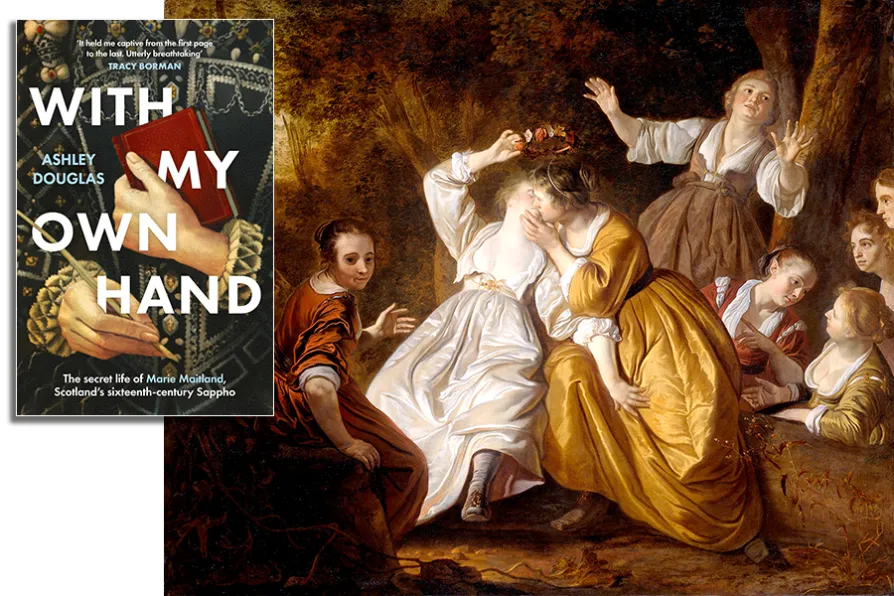
DIANE WATT argues that while evidence of sex is not there, a 16th‑century lesbian poet could be Scotland’s answer to Gentleman Jack

CHRIS SEARLE welcomes a startling vision of contemporary Newport from a veteran photographer of the British working class

Hundreds in Berlin gathered on January 15 to honour the US-born socialist who made East Germany his home. Florentine Morales Sandoval reports

Two inspring books — that’s your New Year’s musing from me on January 2 2026