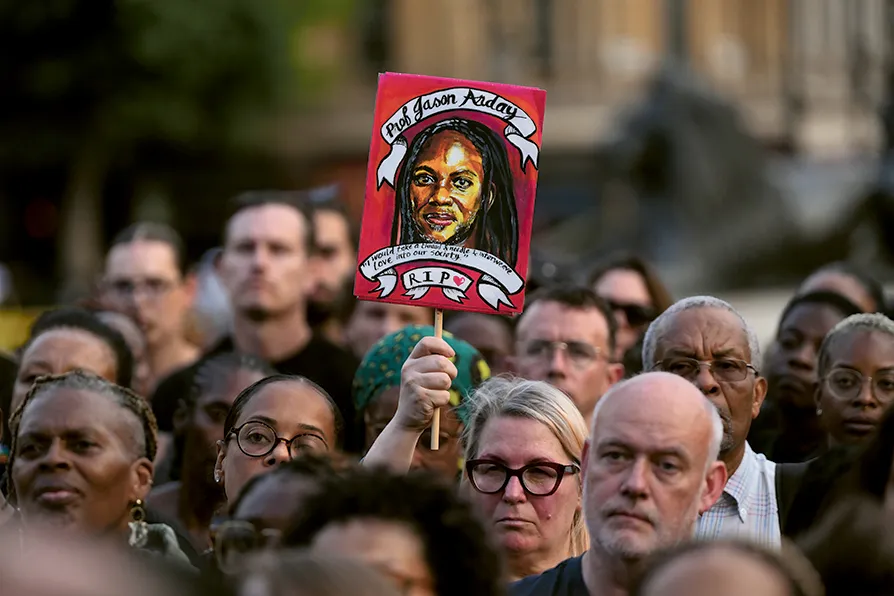
The attacks on black academics are well-funded and relentless, writes DIANE ABBOTT, and they need to be fearlessly resisted by all concerned



After Guevara: the struggle for progress in Latin America
55 years after Che’s assassination, the continent he sought to liberate has overcome the dark decades of US-backed brutality and terror to once again embrace socialism, writes JOHN WIGHT
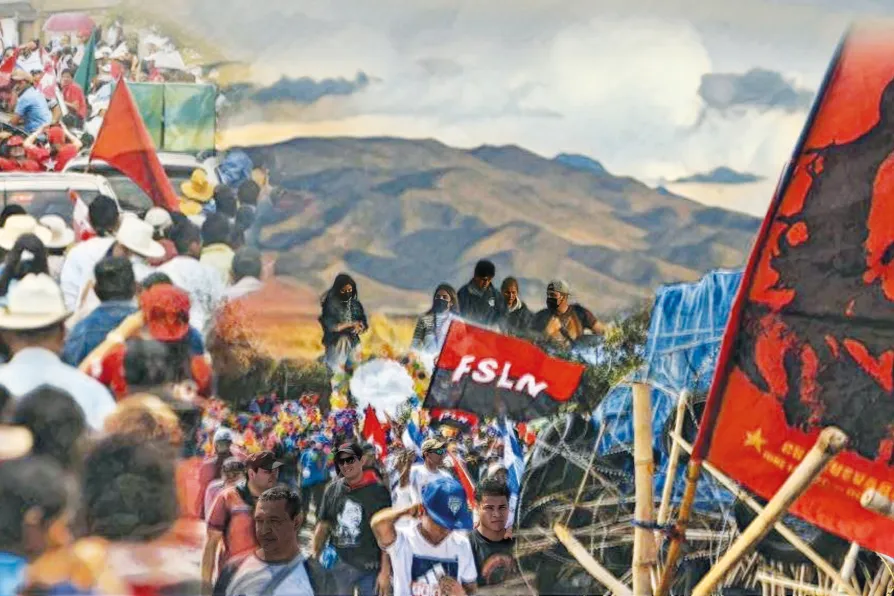
 In the immediate decades after the Cuban Revolution failed to catalyse a region-wide revolutionary wave, Latin America existed under the iron heel of far-right military dictatorships which prioritised the interests of Washington over the interests of their own people.
Extreme hot weather resulting from environmental change needs to be tackled through greater firefighting investment instead of fewer jobs and less resources, writes COLIN BROWN
There are many intricate details about the new Saudi, Turkish and Pakistani alliance we do not yet know, suggests ROGER McKENZIE, but its impact could be considerable
Holyrood incompetence has cost jobs and put the future of Clydeside’s Ferguson Marine shipyard into jeopardy. Its future should have been assured, argues KENNY MACASKILL
Hot and dry conditions are threatening British species unequipped for drought, explains PAUL ASHTON
The Baltic state is set to reverse its constitutional prohibition on nuclear weapons and foreign bases as part of accelerated Nato war preparations, warns TOM UNTERRAINER





“He entered into death asking neither permission nor forgiveness: he led his men forth to face the bullets of the surrounding army in the dusty ravine of Yuro.”
SO WRITES that genius of the written word, Eduardo Galeano, of the last gun battle fought by Che Guevara in Bolivia in 1967; the culmination of his ill-fated attempt to inspire Bolivia’s poverty-stricken, oppressed peasantry to rise up against the country’s then-dictator Rene Barrientos, an agent of the CIA in all but name, in what Guevara and his followers intended to be a rerun of the Cuban revolution eight years previously.
If one man’s legacy looms large over the modern history of Latin America it’s the legacy of Guevara, whose indomitable and unrelenting resistance to US imperialism and its agents continues to inspire in a region long considered in Washington to be US real estate.
In many respects Guevara was Latin America’s Soleimani and Soleimani the Middle East’s Guevara.

Similar stories
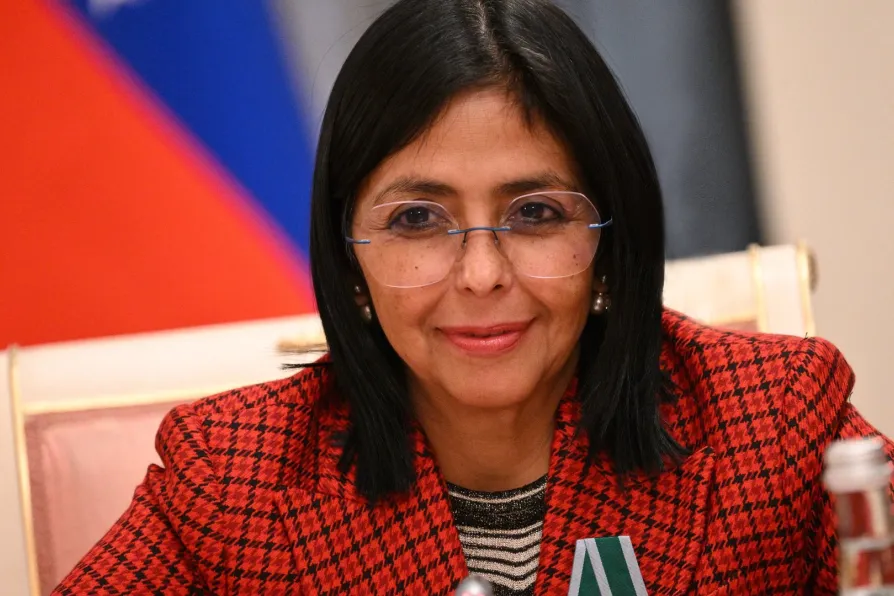
Concessions to Washington by the post-Maduro leadership in Caracas are designed to preserve the core of the Bolivarian Revolution not betray it, argue Roger D Harris, Francisco Dominguez and Mara Paez Victor. How the solidarity movement responds is critical
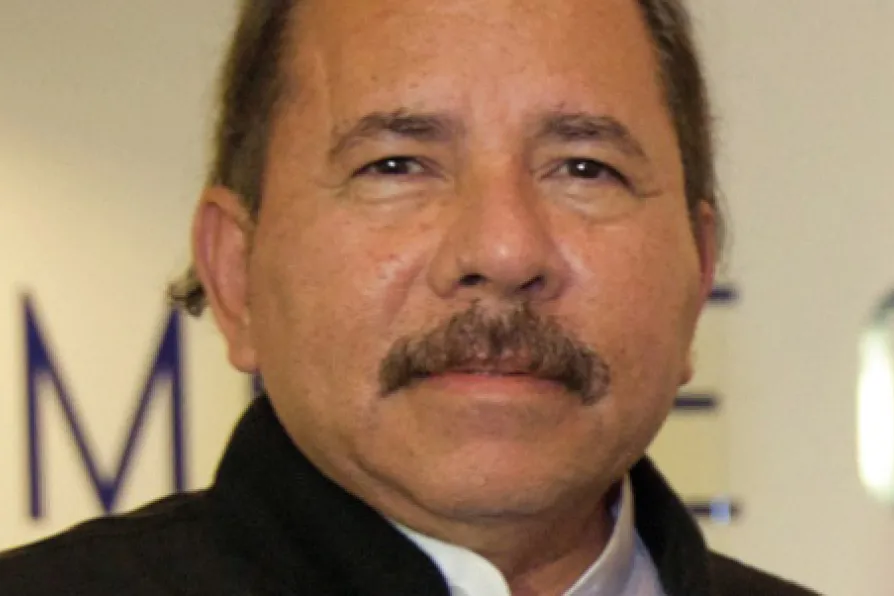
Claims that Nicaragua has abolished elections followed a headline that stripped Daniel Ortega’s remarks of their historical and political context. The full speech tells a different story, says BECCA RENK FOSTER
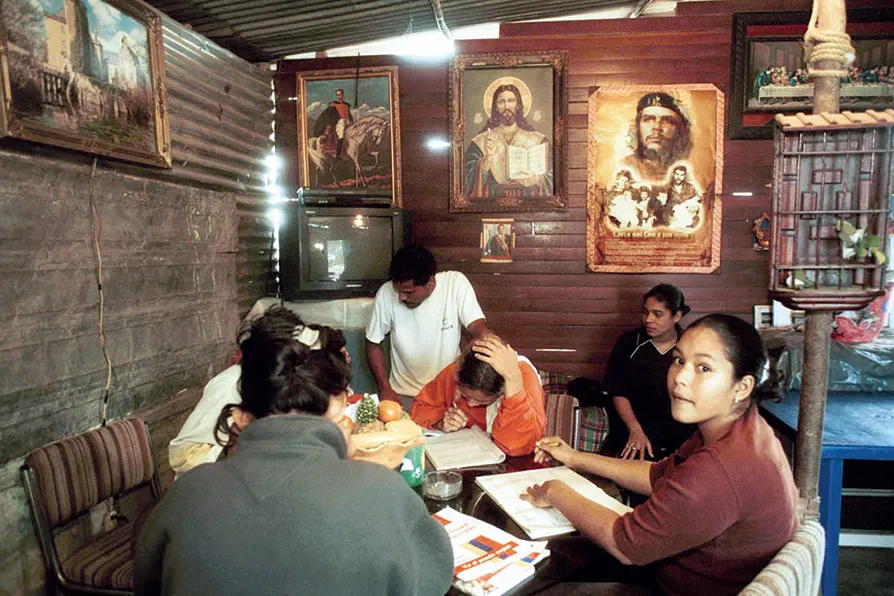
ISAAC SANEY points to the global stakes involved in defending the Cuban revolution against imperialism and calls for resistance
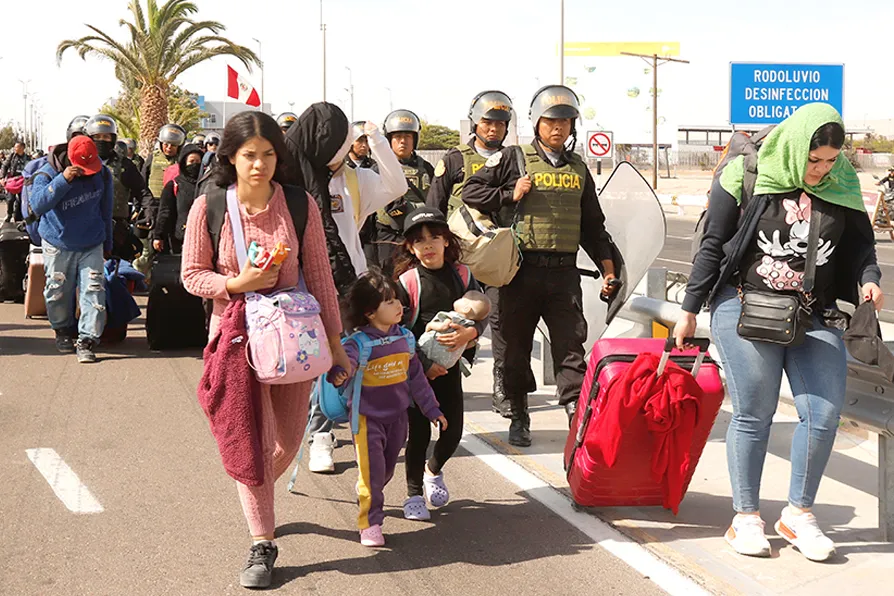
Far-right forces are rising across Latin America and the Caribbean, armed with a common agenda of anti-communism, the culture war, and neoliberal economics, writes VIJAY PRASHAD