TUC president and POA leader STEVE GILLAN speaks to Ben Chacko on the eve of Congress 2026


 Latest editorial
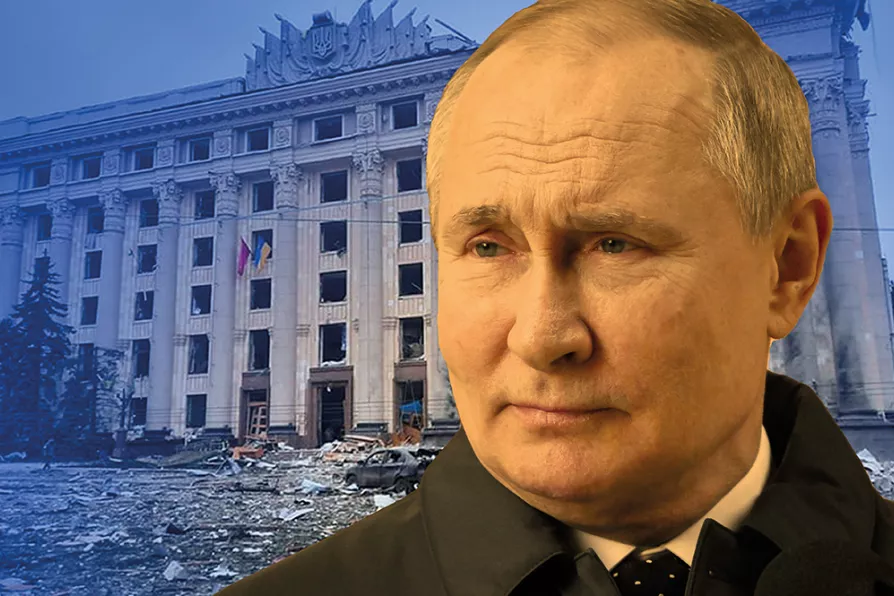
Dangerous escalation: Putin puts Russia’s nuclear forces on high alert
This is not simply a war between Russia and Ukraine, but involves Nato and the US and neither more sanctions or a direct conflict will end in peace — a diplomatic solution must be found, writes JOHN WOJCIK

DOUG NICHOLLS welcomes a turning point at this year’s Congress, where many motions call for a co-ordinated plan to revive British industry, a perspective outlined in his new book
HOPE VIRGO of campaign Dump the Scales warns MPs voting today they should be alert to the threat legalised assisted death poses to people with eating disorders
The Together Alliance is hosting two summits, North and South, to build power and plan action against the scourge of racism peddled by the right. DANIEL KEBEDE urges mass participation
The drift toward militarisation in Europe is not inevitable, left-wing and peace movements can preserve sovereignty and prevent war, says DÁIRE HUGHES MP
Whatever differences exist among international sympathisers of the Bolivarian revolution about its current trajectory, they should unite against the imperialist power that is the source of an enforced retreat, argues ROGER D HARRIS
Trade unions need to step up and force a turn in the policies of the labour movement to effectively confront the far-right threat, argues NICK WRIGHT





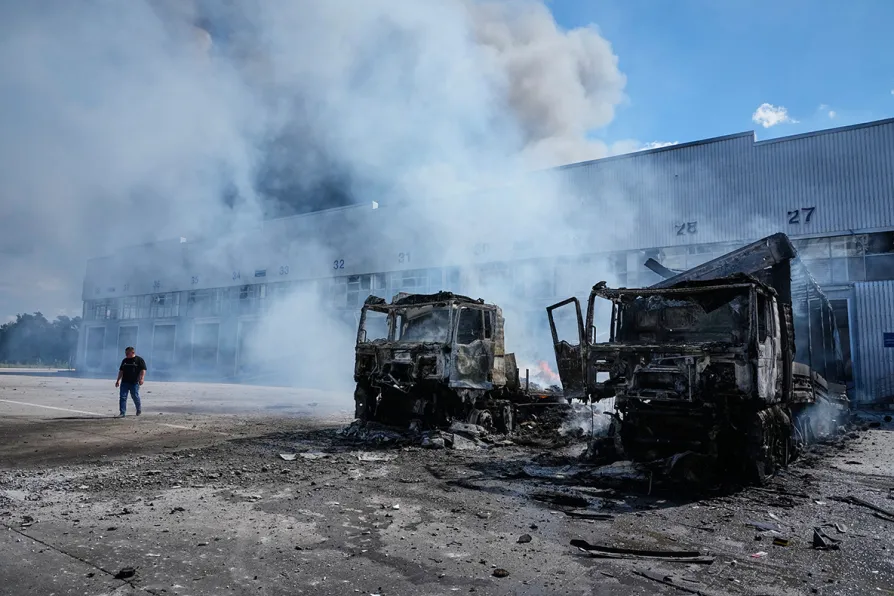
THERE WERE calls heard around the world this weekend for Russia to end its attack on Ukraine which has been going on now for five days since it violated international law and Ukraine’s sovereignty by crossing the border into that country with troops and weapons.
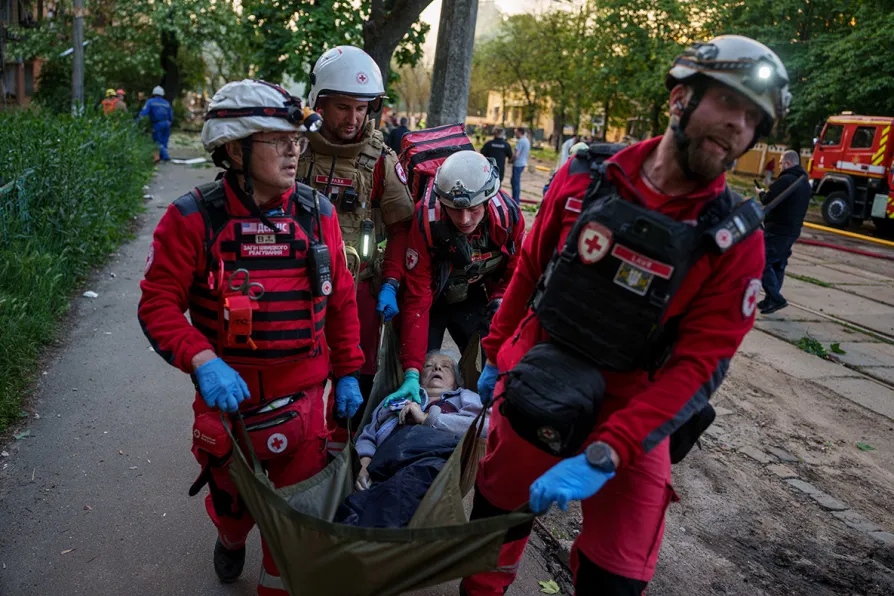
As the fighting continued in Ukraine’s major cities this weekend and the death toll mounted, there were new developments that offered a glimmer of hope. Ukraine and Russia agreed to hold talks in a neutral location on the border between Ukraine and Belarus.
Successful diplomacy to solve the crisis must begin with the cessation of Russian military operations in Ukraine and give serious attention to a number of critical issues.

Similar stories
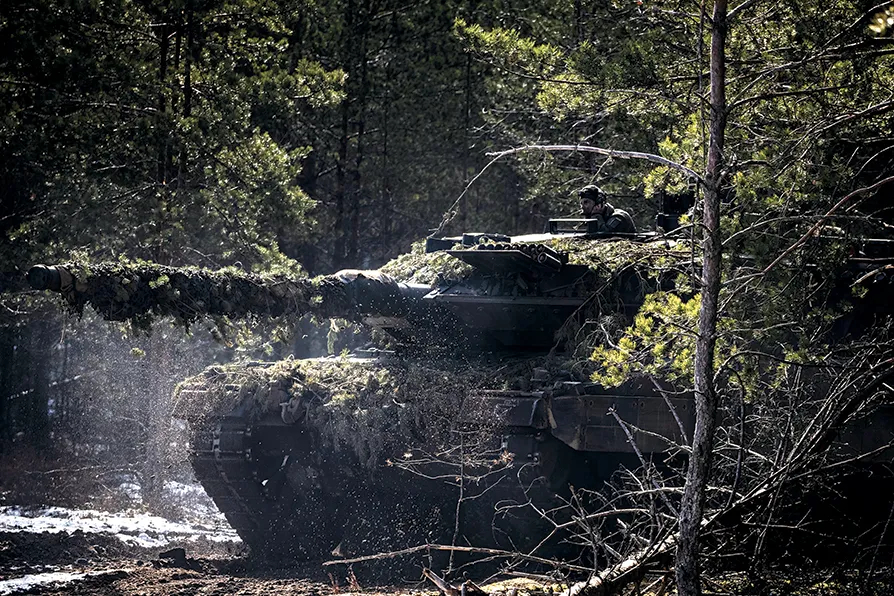
The Baltic state is set to reverse its constitutional prohibition on nuclear weapons and foreign bases as part of accelerated Nato war preparations, warns TOM UNTERRAINER

Western nations’ increasingly aggressive stance is not prompted by any increase in security threats against these countries — rather, it is caused by a desire to bring about regime changes against governments that pose a threat to the hegemony of imperialism, writes PRABHAT PATNAIK