After months of uncertainty over printing and distribution, the first Scottish-printed edition of the Morning Star is soon to roll off the presses


 Latest editorial

A nice hot day in Palestine
For a decade, JENNY KASSMAN has returned to the occupied West Bank to bear witness to the increasingly brutal treatment of native villagers by Israeli settlers and soldiers — without international pressure, the outlook remains bleak
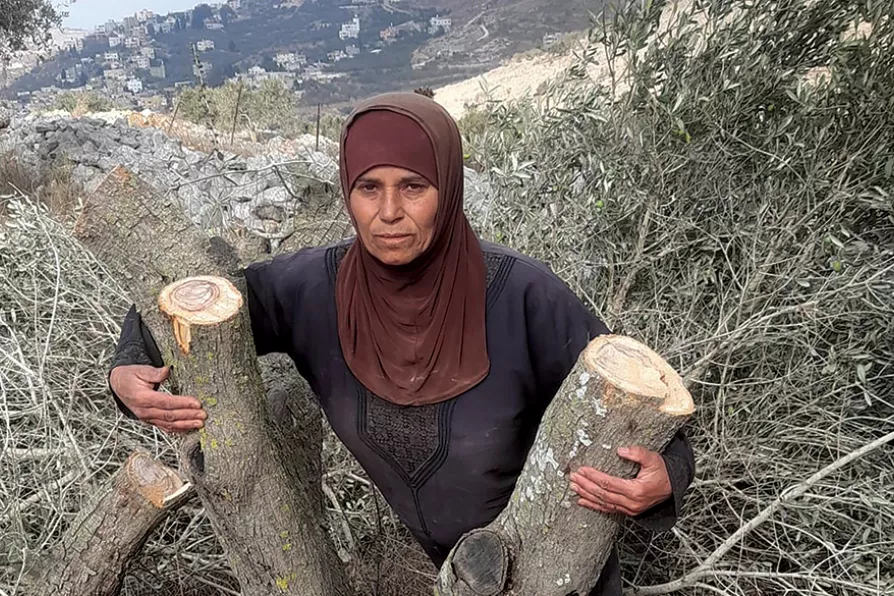 DESPICABLE: Jamila next one of the olive trees cut down overnight
[Jenny Kassman]
DESPICABLE: Jamila next one of the olive trees cut down overnight
[Jenny Kassman]

Some thinkers and authors on the right are openly discussing the possibility that the historically successful party of the British ruling class may be exhausted
Class struggle is the motor of history but the direction and detail of change at any time and place is the outcome of many factors, suggests the Marx Memorial Library and Workers’ School
Merseyside’s proud tradition of internationalism is being kept alive through events organised by trade unionists and allies in the region, writes ROBERT MACDONALD
JOHNNIE HUNTER reports from the German Communist Party’s (DKP) weekly Unsere Zeit (Our Newspaper)-organised Peace Days festival in Berlin last weekend
Les Preger was one of Manchester’s first volunteers to volunteer in support of republican Spain, writes his daughter JANEY PREGER
TONY BURKE surveys the shifting political landscape and the challenges Labour needs to address if it is to prevail in the 2028 federal elections





EVERY October, when I tell people I am travelling with a group to the village of Burin in Palestine for the olive harvest, someone will respond — not really knowing what else to say — with “oh, how lovely! The weather will be nice and hot!”
In fact, in October the weather in the part of Palestine where we stay — the occupied West Bank — tends to be variable, with overcast and rainy days, particularly in the second half of the month.
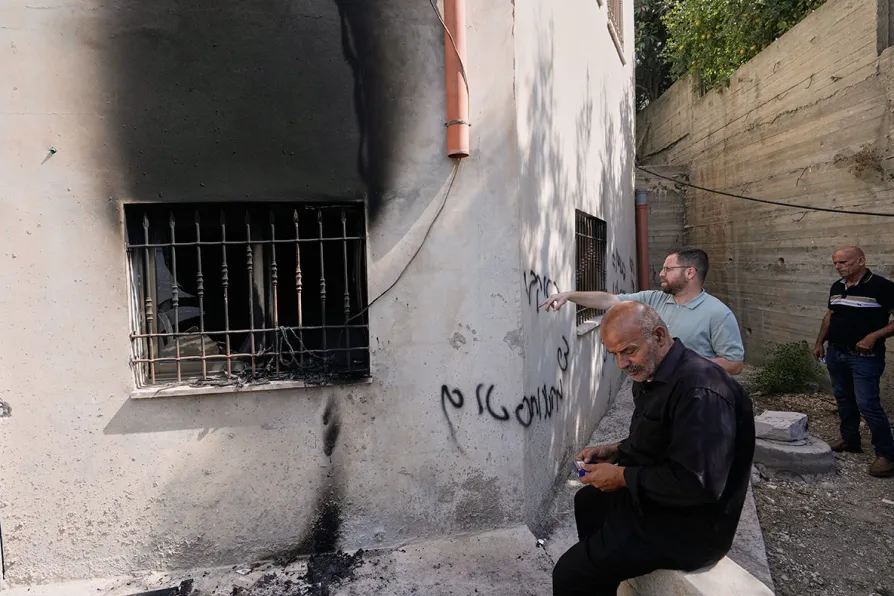
However, our group from Britain and Ireland feels the heat in other ways — the heat generated by the burning of olive groves belonging to Palestinian farmers by Israeli settlers (who I prefer to call colonists) who also attack village homes.

Similar stories
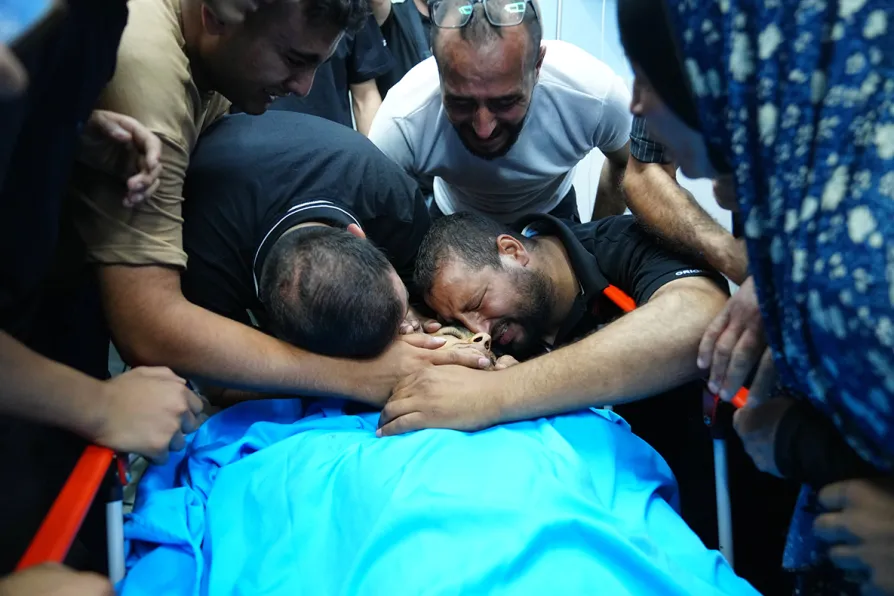
Labour's Emily Thornberry calls on PM to ban goods from Israel-held Palestinian territory
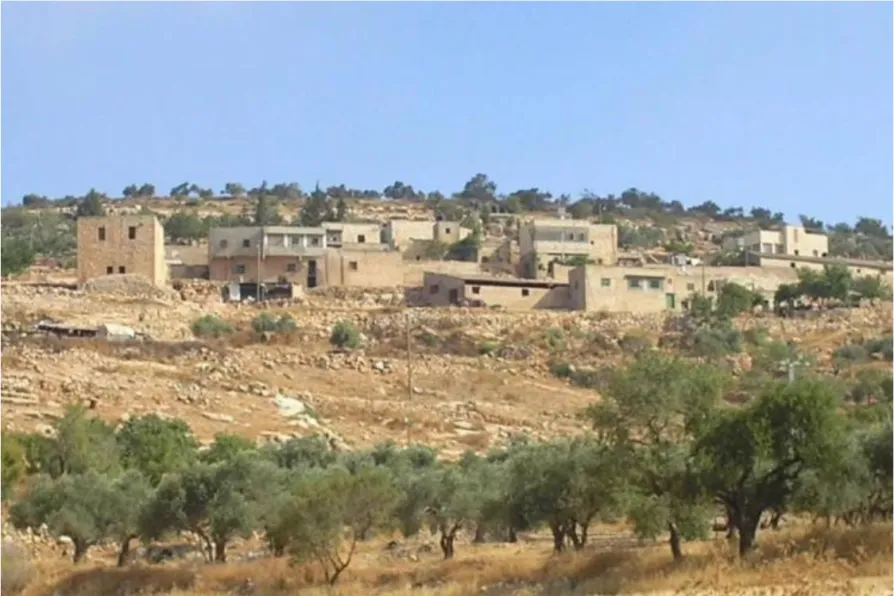
For those who lived in Yanoun, its disappearance is not just a local tragedy, but a stark symbol of escalating violence, displacement and impunity across the occupied West Bank, says JANE HARRIES
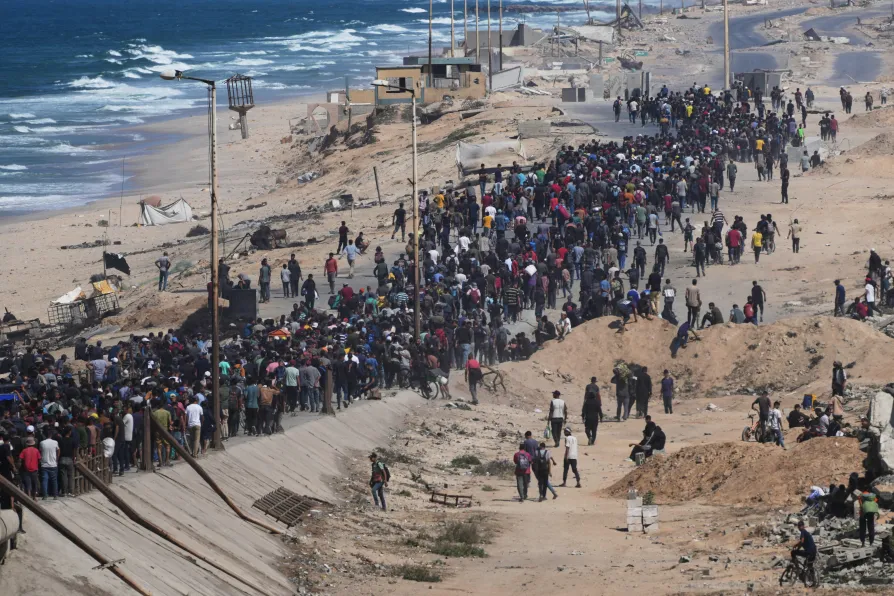
ANN CZERNIK looks back over the last two years of carnage that began with the unprecedented October 7 operation and considers the rhetoric from both sides in light of the massacre carried out by Israel that has united the world in horror