ROB WARZYNIAK recalls the emblematic 1906 book, The Jungle, in its analysis of the crisis presently engulfing the US Food and Drug Administration


 Latest editorial

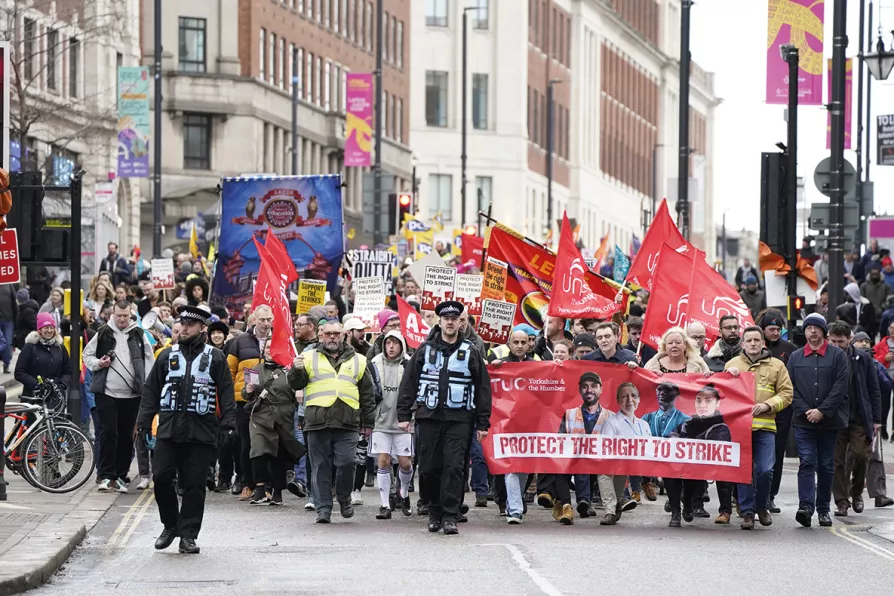
The pieces are in place for rebuilding the socialist left in 2024
Morning Star editor BEN CHACKO says militant unions and a growing peace movement create the conditions for a fight to put socialist politics back on the map after four bleak years

Welsh wanderings showcase fiery destruction, alternative water ways and revive memories of a local mining legend, writes MARK SEDDON
As thousands die in the eastern DRC, a global health emergency is being starved of funds, says S KRISHNASWAMY
MAT COWARD explains how in the 17th century a row over whether to kneel at communion became a battle over religion, class and royal power
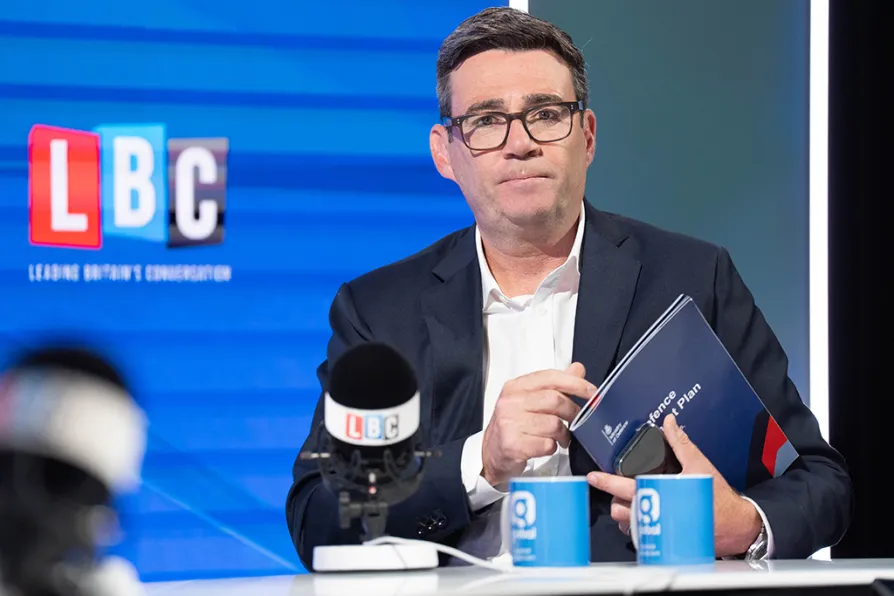
Renewed illusions in social democratic reformism are sprouting as a result of Andy Burnham’s rhetoric, but material conditions are already intruding into the debate, argues NICK WRIGHT
Andy Burnham could learn a few lessons from a previous Labour government in the pre-privatisation era on how to tackle water shortages, writes KEITH FLETT





THIS month marked four years since the defeat of the most serious challenge to British capitalism in decades — Jeremy Corbyn’s Labour leadership.
The coming year marks four decades since the start of the great miners’ strike of 1984-85, whose defeat signalled the decisive victory of Thatcher’s neoliberal project in Britain, prompting a sharp acceleration of her government’s privatisation drive (we lost public control of British Telecom, British Aerospace, British Petroleum, British Gas, British Steel, British Airways, Rolls-Royce and, at the tail-end of her decade in power, the municipally owned water and electricity boards).
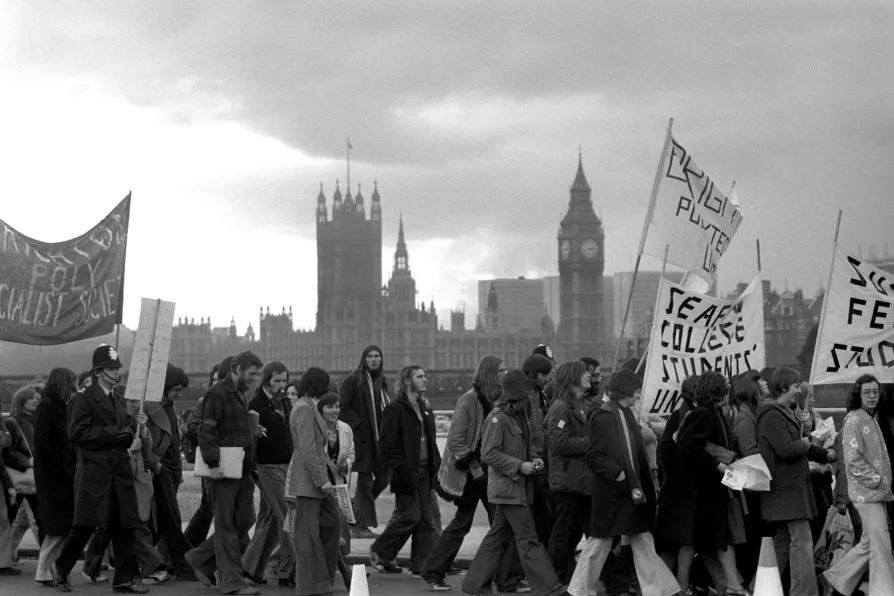
Defeat of the miners ushered in a long period of decline for unions. There are less than half as many trade union members in Britain now as in 1980; less than a quarter of workers are covered by collective bargaining agreements, compared to more than half in 1980; the number and size of strikes declined too.

Similar stories

In a wide-ranging interview, JEREMY CORBYN talks to Ben Chacko about the difficulties the new Prime Minister faces and why he sees no future in Labour
Despite the screeching from the right-wing media, Burnham’s speech chimed with the public mood - and socialists should take advantage, says Morning Star editor BEN CHACKO
JOHN McINALLY sees little chance of change at Westminster, and calls on the left to get serious about building a real alternative
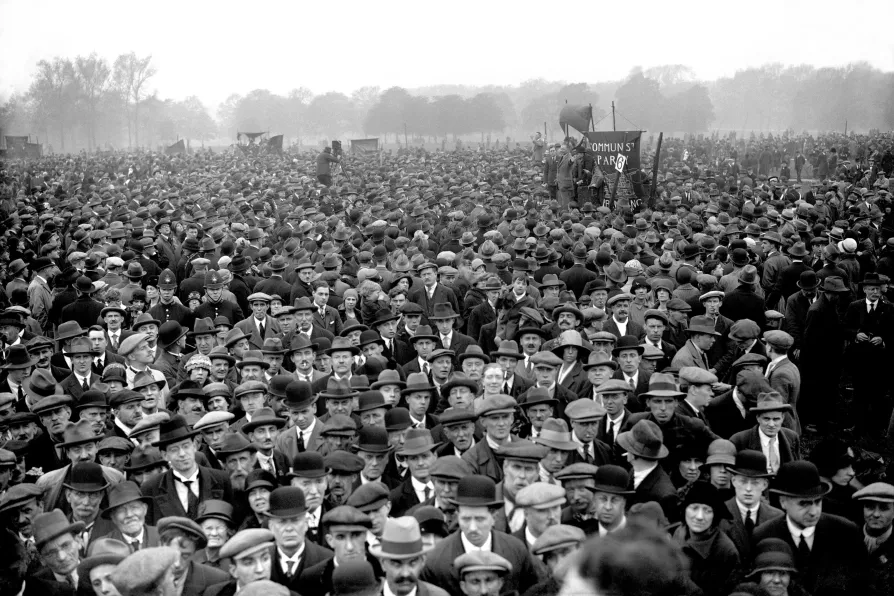
BEN CHACKO says in different ways, the centenary of the General Strike and that of Fidel Castro’s birth point to priority tasks for the British left in the coming year