

 Latest editorial







AS Jeremy Hunt and his Treasury team prepare Wednesday’s Budget, they are juggling with three sets of considerations.
The first is economic, including the impact that fiscal decisions have on everything from interest rates and share prices to public services, corporate investment and the value of the pound sterling.
The harsh reality facing the Chancellor is that the British economy is bumping along in the recession zone and shows only the weakest signs of recovery. Having dipped into recession in the last half of 2023, most forecasters predict a modest growth rate of between 0.5 and 0.7 per cent this year, before doubling in 2025.


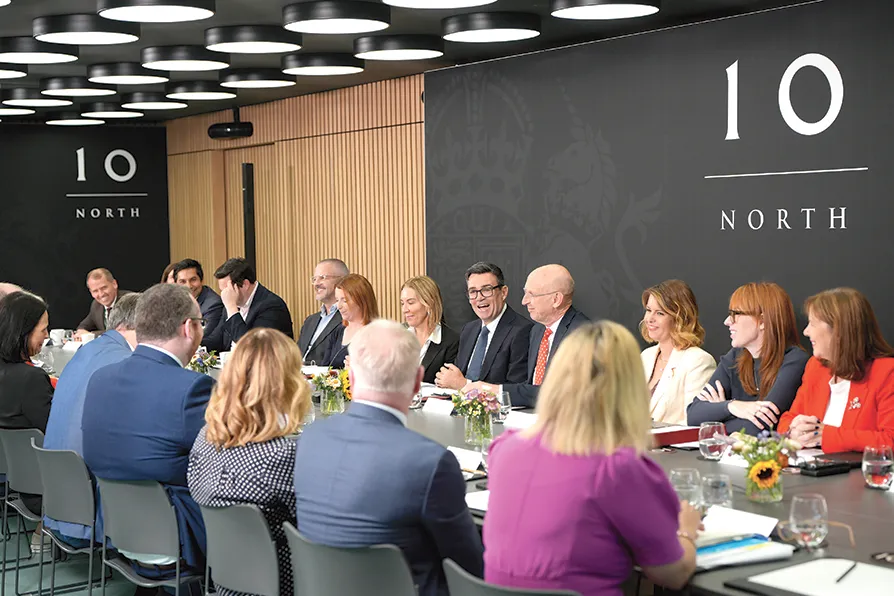
A sharp rise in public-sector investment is required to kick-start the economy, argues MICHAEL BURKE
Trade unions call for windfall tax hike to fund social energy tariff to public’s energy bills

Only an ambitious programme of state-led investment can restore growth and improve living standards, argues MICHAEL BURKE