Andy Burnham’s leadership will be judged on whether he charts a genuinely different course, argues BECK ROBERTSON


 Latest editorial

The incredible legacy of women in the miners’ strike still shines
Women gathered in Durham on Saturday March 2 to celebrate their role in the miners’ strike of 1984-5 – and what a celebration it was, writes Morning Star northern reporter PETER LAZENBY
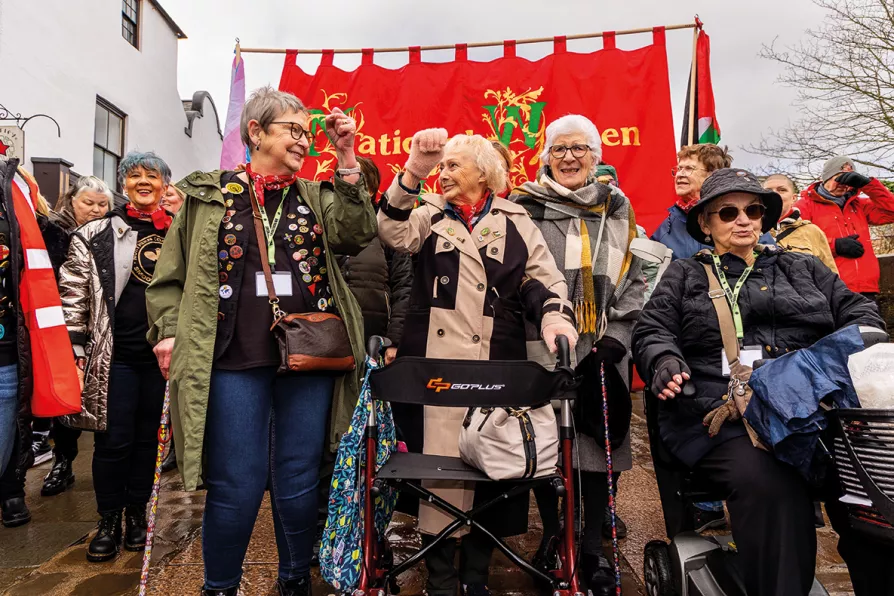 National Women Against
Pit Closures secretary Heather Wood (centre left) and veteran campaigner Betty Cook
[Neil Terry / Neil Terry Photography]
National Women Against
Pit Closures secretary Heather Wood (centre left) and veteran campaigner Betty Cook
[Neil Terry / Neil Terry Photography]

While Italy’s communist tradition remains fragmented and politically marginal, France’s party is attempting to re-establish itself as an independent force rooted in working-class organisation, says NICK WRIGHT
Critics of UBI underestimate both its political significance and its economic potential, writes BERT SCHOUWENBURG
As Ontario burns, campaigners are demanding action – not more pipelines, says DAVE McKEE
Innovation in biotechnology is changing how we conceive of meat, say ROX MIDDLETON, LIAM SHAW and MIRIAM GAUNTLETT of SCIENCE AND SOCIETY





FOR a “small do” it was a pretty big event. Women Against Pit Closures (WAPC) mobilised hundreds of veteran activists, their daughters, grand-daughters and friends, to march through the streets of Durham, banners raised, in a reunion and a celebration of the role played by women in the 1984-5 miners’ strike whose 40th anniversary begins on Wednesday.
Common wisdom has it that without the mobilisation of the women of the coalfields, the year-long miners’ strike against pit closures would have ended in October 1984, seven months after it started. Instead, it continued until March 1985.
On Saturday the banners they raised in Durham were an indication of the breadth of the women’s mobilisation during the strike: Vane Tempest Vigil, South Wales Support Groups, Corpull and Chorley Miners’ Wives from Lancashire, Durham Miners’ Wives’ Action Group, and Durham Support Groups.

Similar stories
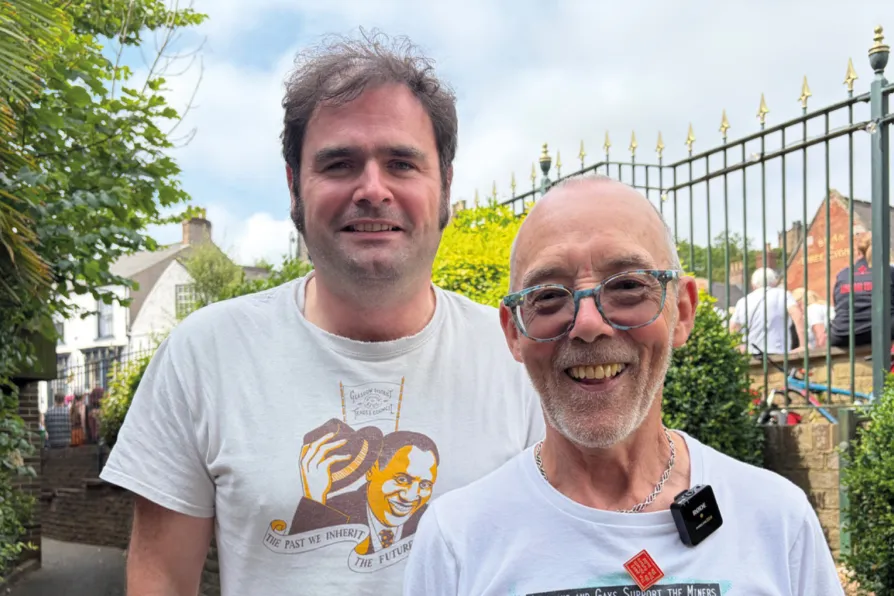
Lesbians and Gays Support the Miners co-founder MIKE JACKSON talks to Matt Kerr about the enduring power of Pride, protest and trade unionism
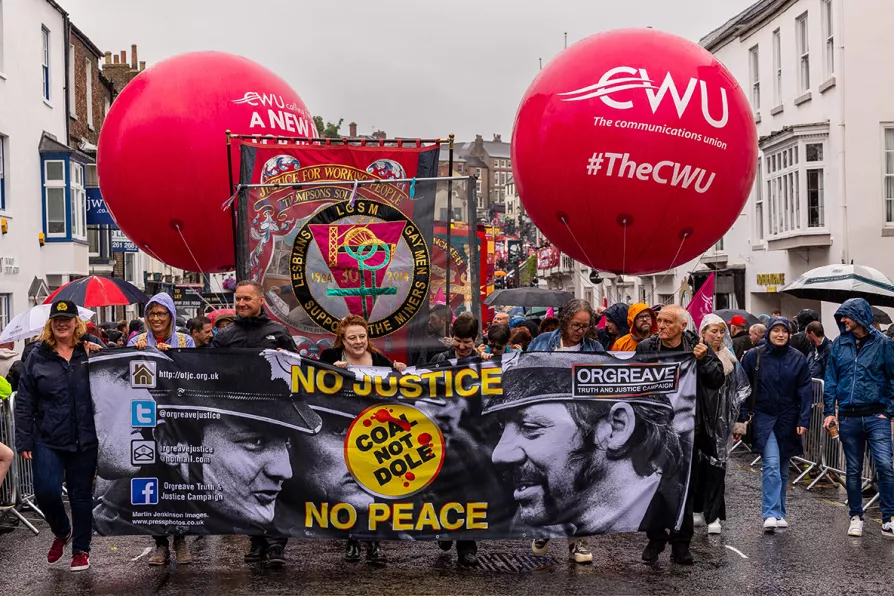

The public inquiry is the result of more than a decade of determined campaigning. Now, those who fought for justice want the full story of government involvement and police conduct to be told, says KATE FLANNERY

The pioneering activist understood that freedom could only be won through solidarity across communities. Her legacy offers vital lessons at a time when progressive politics risks losing that shared purpose
The Morning Star republishes PRAGNA PATEL’s speech at the annual commemoration of Claudia Jones on February 22 2026