TUC president and POA leader STEVE GILLAN speaks to Ben Chacko on the eve of Congress 2026


 Latest editorial
Green shoots are growing
The Labour Party’s rightward shift has given space for the Greens to flourish, meaning they could emerge as the primary voice of British left-wing politics, writes CHRIS JARVIS
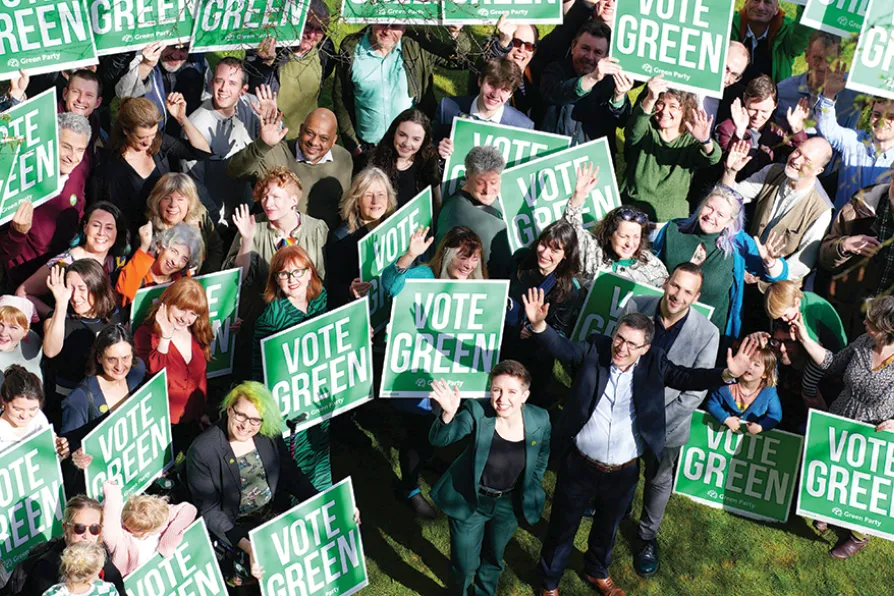 ON THE WAY UP: Green Party co-leaders Carla Denyer and Adrian Ramsay at their local election campaign launch in Bristol on April 4 2024

DOUG NICHOLLS welcomes a turning point at this year’s Congress, where many motions call for a co-ordinated plan to revive British industry, a perspective outlined in his new book
HOPE VIRGO of campaign Dump the Scales warns MPs voting today they should be alert to the threat legalised assisted death poses to people with eating disorders
The Together Alliance is hosting two summits, North and South, to build power and plan action against the scourge of racism peddled by the right. DANIEL KEBEDE urges mass participation
The drift toward militarisation in Europe is not inevitable, left-wing and peace movements can preserve sovereignty and prevent war, says DÁIRE HUGHES MP
Whatever differences exist among international sympathisers of the Bolivarian revolution about its current trajectory, they should unite against the imperialist power that is the source of an enforced retreat, argues ROGER D HARRIS
Trade unions need to step up and force a turn in the policies of the labour movement to effectively confront the far-right threat, argues NICK WRIGHT





IN MAY 2014, the Green Party was in celebration mode. In that year’s local elections, the Greens made 18 net gains. At the time, this was the party’s second most successful set of local elections in its history.
Twelve months later, the 2015 general election would see over one million people vote Green, more than at any election before or since. While record-breaking, that election was bittersweet.
The Greens only managed to retain their sole MP, failing to make further inroads. And within months the position of the Greens as the only mainstream party offering a left-wing diagnosis of the crises facing the country was thrown into doubt by the arrival of Jeremy Corbyn, the most radical leader the Labour Party has ever elected.

Similar stories
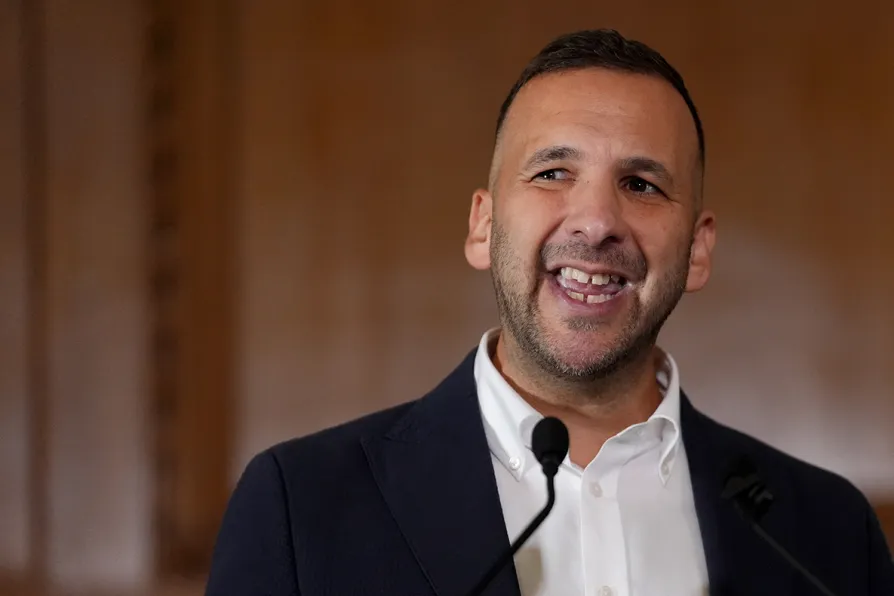
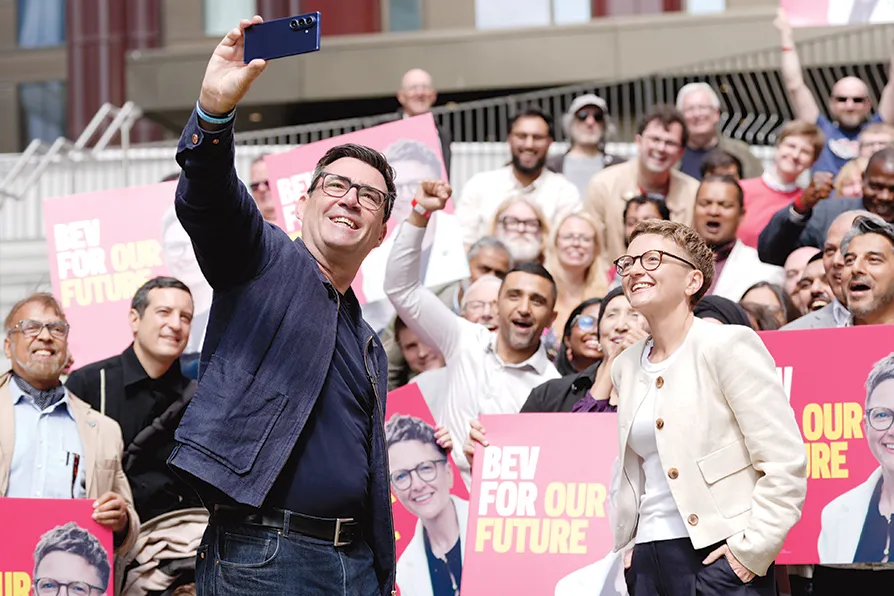
Preferable to Starmer he may be, but there is scant sign of a sharp political break in Burnham’s policies so far — while left challenges aren’t making much of a running either, finds ANDREW MURRAY. How can socialism be put back on the map?
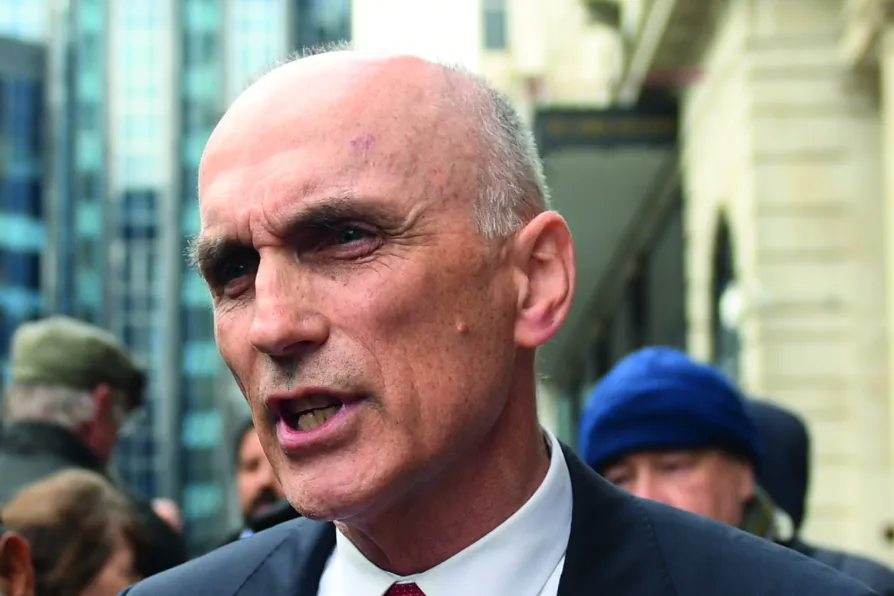
This by-election could plausibly see both Reform and Labour defeated — but splitting the left insurgent vote would put that at risk, argues CHRIS WILLIAMSON
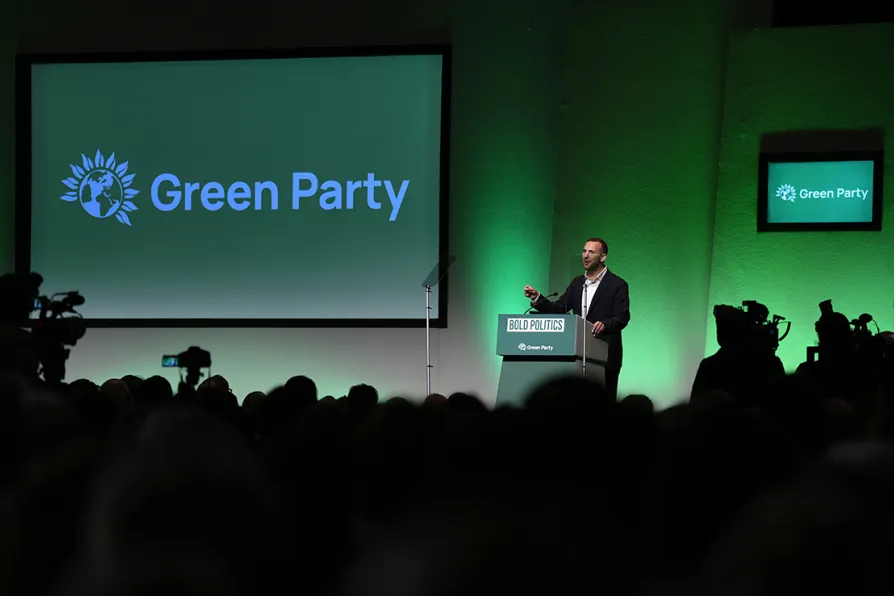
Now at 115,000 members and in some polls level with Labour in terms of public support, CHRIS JARVIS looks at the factors behind the rapid rise of the Greens, internal and external