Committee for the Defence of the Iranian People’s Rights general secretary GAWAIN LITTLE discusses the impact of the US-Israeli war on the Iranian people and economy


 Latest editorial

Greening the South Pole
Vegetation is growing at an alarming rate on Antarctica’s northernmost region, write ROX MIDDLETON, LIAM SHAW and MIRIAM GAUNTLETT
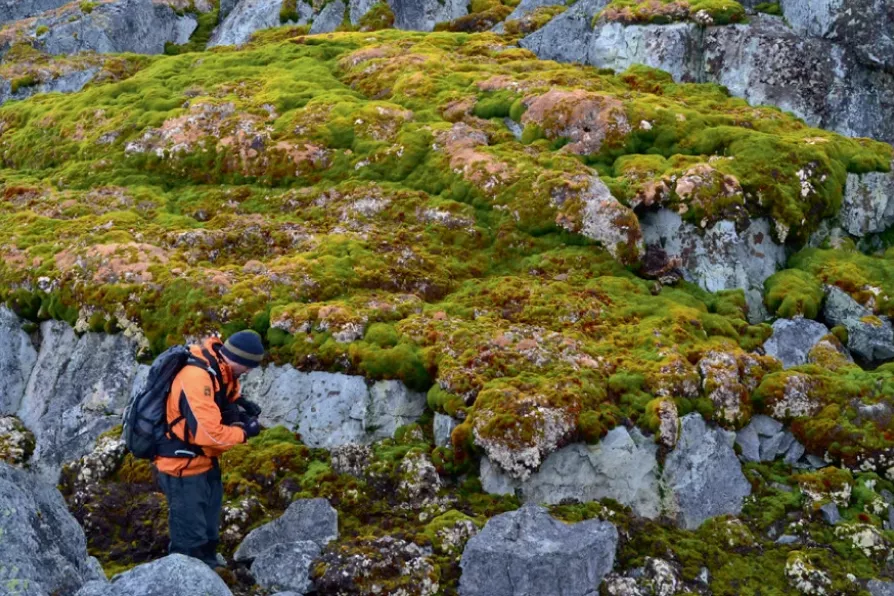 Studying a moss bank on bare rock, Norsel Point, in the Antarctic Peninsula
[Nature Geoscience (Nat Geosci)/Creative Commons]
Studying a moss bank on bare rock, Norsel Point, in the Antarctic Peninsula
[Nature Geoscience (Nat Geosci)/Creative Commons]
Capitalism has extracted itself from crisis before, argues PRABHAT PATNAIK – but through methods no longer available. So it is turning to authoritarianism, militarism and neocolonialism
The five young men killed in the A66 crash were responsible for a devastating tragedy — but the crash should force us to ask difficult questions about wider society, argues RENATA MEDEIROS MIRRA
Britain funds the policing of black culture 16 times better than the culture itself. The Diamond Jubilee is the moment to end that, argues CLAUDIA WEBBE
Despite Andy Burnham’s declaration defending the continued partition of the island, all major international and internal trends are converging to make Irish reunification inevitable
Humans are part of the ‘animal kingdom’ – and of nature in general – but also distinct from it and labour (work) is part of what makes us unique, declared Engels. His insights 150 years ago into how our species came to be and how we differ from the rest of nature, are as important today as they were then, says the MARX MEMORIAL LIBRARY





TODAY, we know Antarctica as a snow-dominated landscape, a continent covered with a permanent glacial ice-sheet. However, 41 million years ago, Antarctica looked very different: it was carpeted with lush forests that rang with birdsong with distant snow-capped mountains. That began to change 31 million years ago, as global temperatures dropped.
The transition is described by the palaeobiologist Thomas Halliday in his book Otherlands (2022). Soon (in geological terms, that is) the ice descended from Antarctica’s mountaintops, “spreading across the entire continent and forcing out almost all plants and animals.” Of Antarctica’s range of animals, only the emperor penguins were able to adapt at the right pace and retain their habitat on what became Earth’s most forbidding continent.
Antarctica’s northernmost point is the Antarctic Peninsula. Unlike the rest of Antarctica it is not completely icebound: only 80 per cent is currently covered by ice. But the remaining 20 per cent is usually rocky. Now, new research published this week in Nature Geoscience confirms that climate change is affecting Antarctica’s plant life.

Similar stories

Hot and dry conditions are threatening British species unequipped for drought, explains PAUL ASHTON
Rising temperatures and human activity are making life far harder for these vital pollinators. ALEX DITTRICH explains
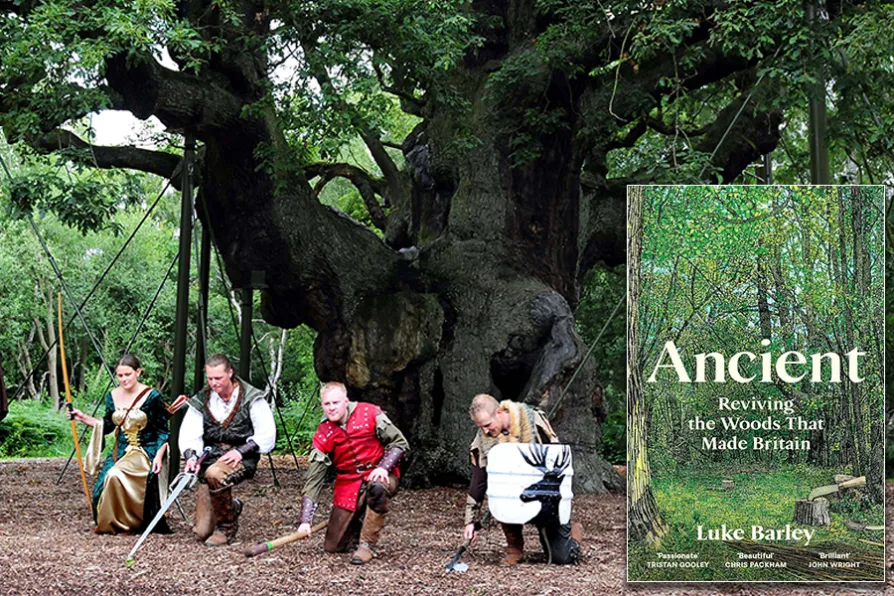
JAN WOOLF relishes an extensive history of our long relationship to trees in Britain that underlines the current emergency