TUC president and POA leader STEVE GILLAN speaks to Ben Chacko on the eve of Congress 2026


 Latest editorial
The historical context of Rachel Reeves
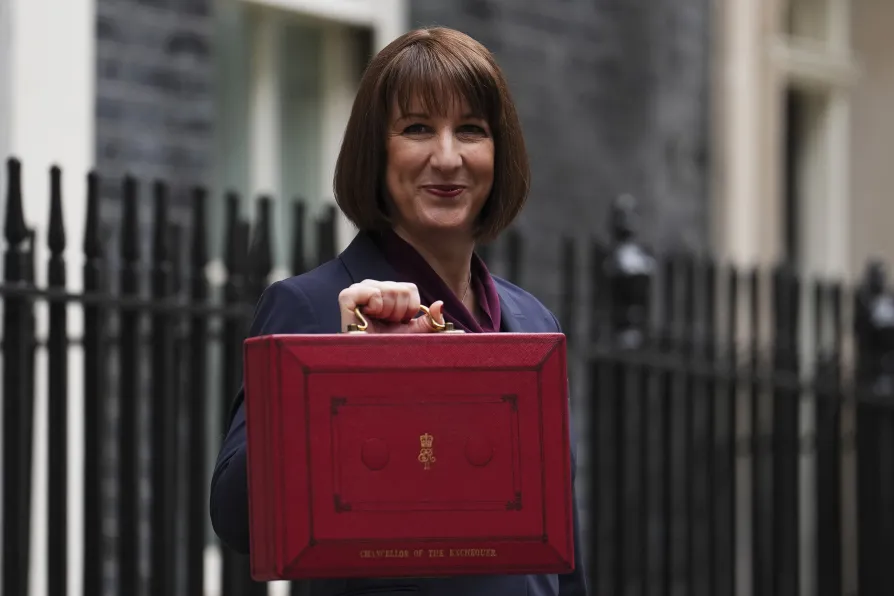
Britain’s first woman Chancellor delivers the same old fudge, as Labour’s commitment to economic orthodoxy, seen throughout its history, always betrays working people, writes KEITH FLETT

DOUG NICHOLLS welcomes a turning point at this year’s Congress, where many motions call for a co-ordinated plan to revive British industry, a perspective outlined in his new book
HOPE VIRGO of campaign Dump the Scales warns MPs voting today they should be alert to the threat legalised assisted death poses to people with eating disorders
The Together Alliance is hosting two summits, North and South, to build power and plan action against the scourge of racism peddled by the right. DANIEL KEBEDE urges mass participation
The drift toward militarisation in Europe is not inevitable, left-wing and peace movements can preserve sovereignty and prevent war, says DÁIRE HUGHES MP
Whatever differences exist among international sympathisers of the Bolivarian revolution about its current trajectory, they should unite against the imperialist power that is the source of an enforced retreat, argues ROGER D HARRIS
Trade unions need to step up and force a turn in the policies of the labour movement to effectively confront the far-right threat, argues NICK WRIGHT





FOR socialists there is a good deal to be discontented about Rachel Reeves’s policies as Chancellor. The cut in winter fuel payments has rightly caused anger and talk of cuts to spending suggests an austere 2025.
While she has been engaged with socialists who have thought a good deal about the historic roots of Britain’s crisis and what might be done — such as David Edgerton at Kings College, London — it’s difficult to discern much practical influence.
Of course, a certain portion of the attacks on her are firstly because she is the first female Chancellor and the world of finance is still largely that of men in suits. Secondly, she is a Labour Chancellor. Of what stripe is entirely irrelevant to the likes of the Mail, Telegraph and GB News: it’s just Labour of any kind they hate.

Similar stories
Trade unions call for windfall tax hike to fund social energy tariff to public’s energy bills
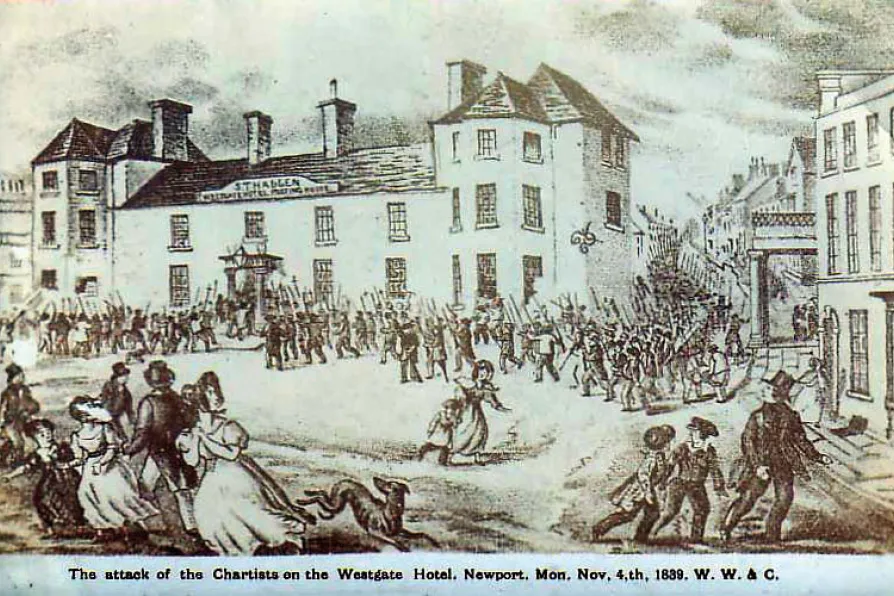
It’s not just the Starmer regime: the workers of Britain have always faced legal affronts on their right to assemble and dissent, and the Labour Party especially has meddled with our freedoms from its earliest days, writes KEITH FLETT