A California union’s decision to host a meeting about US policy towards Cuba has prompted a congressional probe and renewed attacks on international solidarity, writes CAMERON HARRISON



The hyper-imperialism of Donald J Trump
VIJAY PRASHAD examines why in 2018 Washington started to take an increasingly belligerent stance towards ‘near peer rivals’ – Russa and China – with far-reaching geopolitical effects
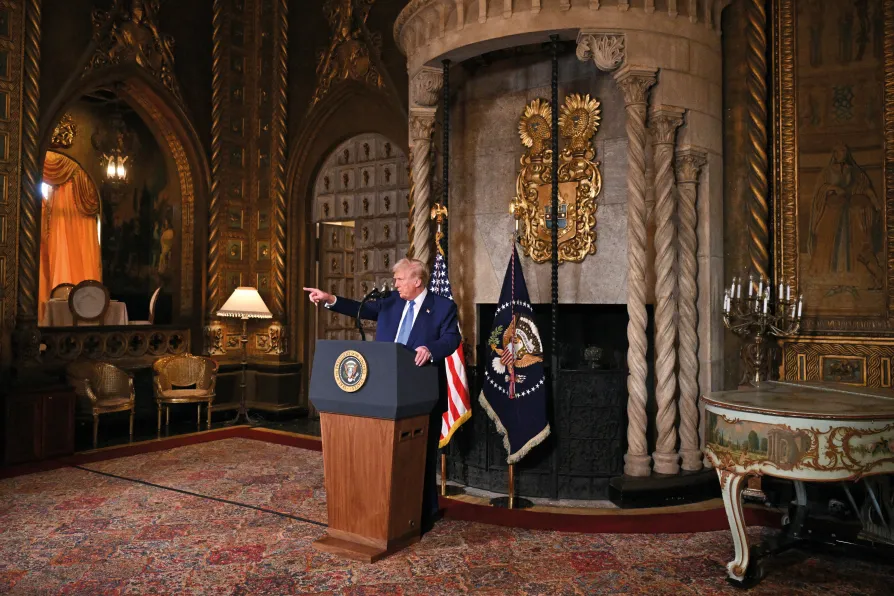
 UNWELCOME PRESENCE: US President Donald Trump at Mar-a-Lago in Florida
The Baltic state is set to reverse its constitutional prohibition on nuclear weapons and foreign bases as part of accelerated Nato war preparations, warns TOM UNTERRAINER
Long-term underfunding and state neglect, while simultaneously probation services have been undermined, have intensified the prison crises, argues SOLOMON HUGHES
Holyrood incompetence has cost jobs and put the future of Clydeside’s Ferguson Marine shipyard into jeopardy. Its future should have been assured, argues KENNY MACASKILL
With the agitated debate now raging in the media about the early release schemes, Prison Officers Association general secretary STEVE GILLAN gives the view of those who work in the sector
The hounding of the late Jason Arday is an all too familiar experience for many black people. ROGER McKENZIE calls for collective action to combat what can feel like personal isolation





IT DID not take long. Within weeks, US President Donald J Trump authorised the firing of missiles at some caves in Somalia, where — he claimed — a military leader of Isis (or the Islamic State) was hiding. No US president in the past quarter-century has started his term without an attack on “terrorists.”
Three days after he became president, on January 23 2009, Barack Obama sent an aircraft to fire a missile at Ziraki village in North Waziristan (Pakistan). It “missed” the Taliban target and instead killed at least nine civilians and injured many others (including 14-year-old Faheem Qureshi). There was never an acknowledgement for this “mistake.” Nor has there been any real account of the civilian destruction in the Momand Valley in Nangarhar province (Afghanistan), where Trump ordered the dropping of a 21,600lb or 9,800kg “mother of all bombs” in 2017 onto a network of caves.
We likely will not hear from Somalia’s civilians in a long time. This has become a habit of US presidents. They start their administration. They fire missiles at ordinary people in a belt that stretches from northern Africa to southern Asia. And then preen about being tough against “terror.”

Similar stories
Trump threatens war and punitive tariffs to recapture Iranian resources – just as in 1953, when the CIA overthrew Mossadegh and US corporations immediately seized 40% of the oil, says SEVIM DAGDELEN
Western nations’ increasingly aggressive stance is not prompted by any increase in security threats against these countries — rather, it is caused by a desire to bring about regime changes against governments that pose a threat to the hegemony of imperialism, writes PRABHAT PATNAIK
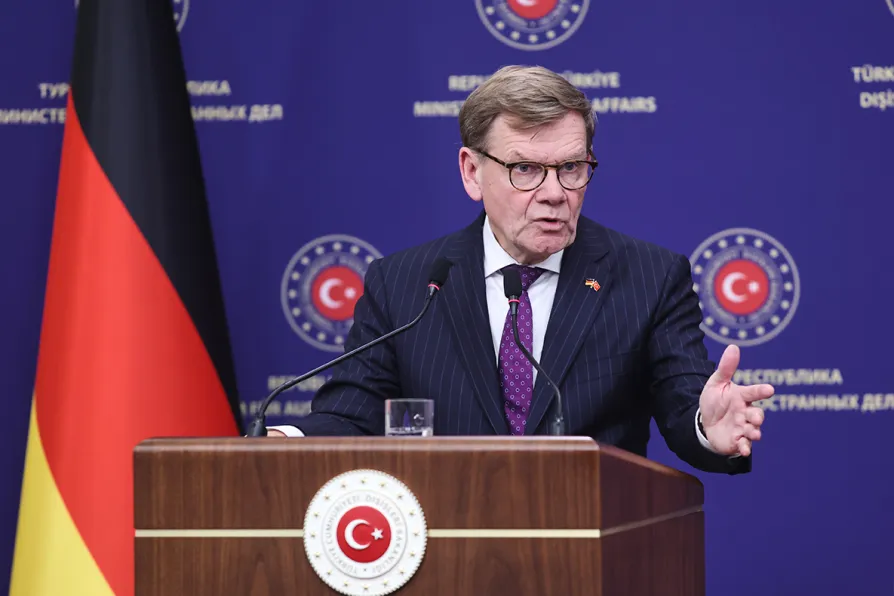
The cancelled China trip of the German Foreign Minister marks a break with Helmut Schmidt’s China policy and drives Germany further into Washington’s confrontation course, warns SEVIM DAGDELEN
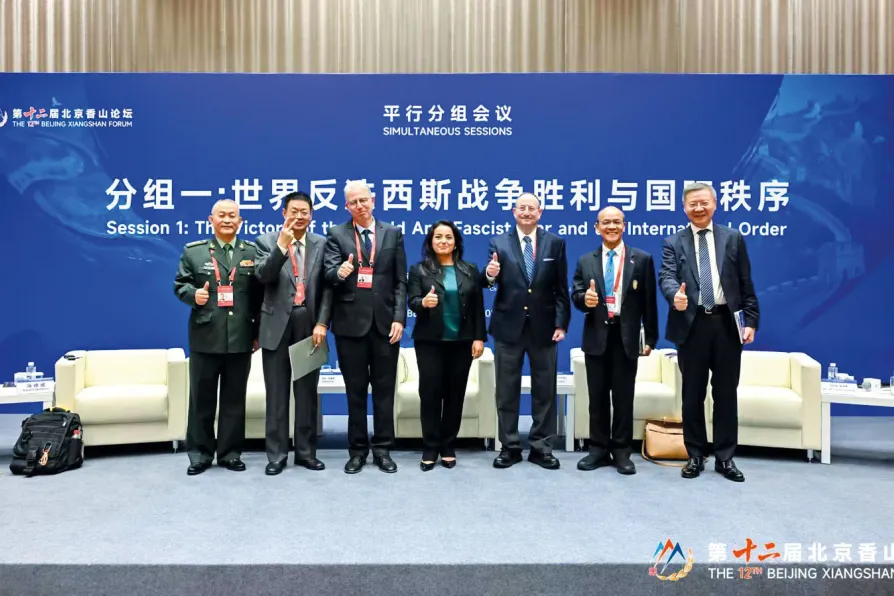
In a speech to the 12th Xiangshan Forum in Beijing, SEVIM DAGDELEN warns of a growing historical revisionism to whitewash Germany and Japan’s role in WWII as part of a return to a cold war strategy from the West — but multipolarity will win out