

 Latest editorial

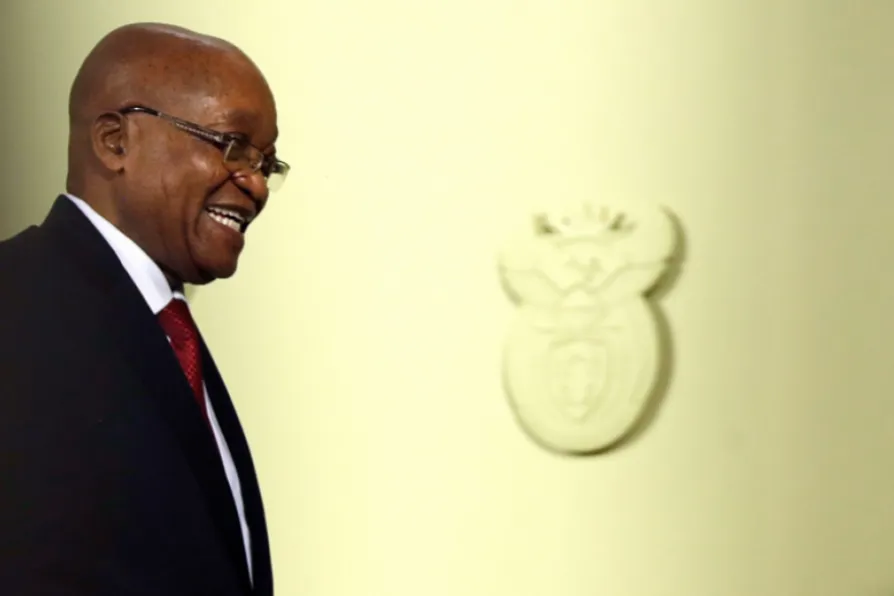





SOUTH Africa’s African National Congress has, in giving Jacob Zuma his marching orders and replacing him with Cyril Ramaphosa, shown a capacity for decisive action that many feared beyond it.
Ramaphosa’s narrow victory over Nkosazana Dlamini-Zuma for the ANC presidency, his supporters’ failure to win a clean sweep of the top six positions and the clear national executive committee knife-edge division into apparently pro and anti-Zuma camps foretold confusion and indecision.
Similarly, Zuma’s initial efforts to string out negotiations over retirement encouraged speculation that he might brazen it out, relying on ANC loyalties to thwart opposition no-confidence motions.

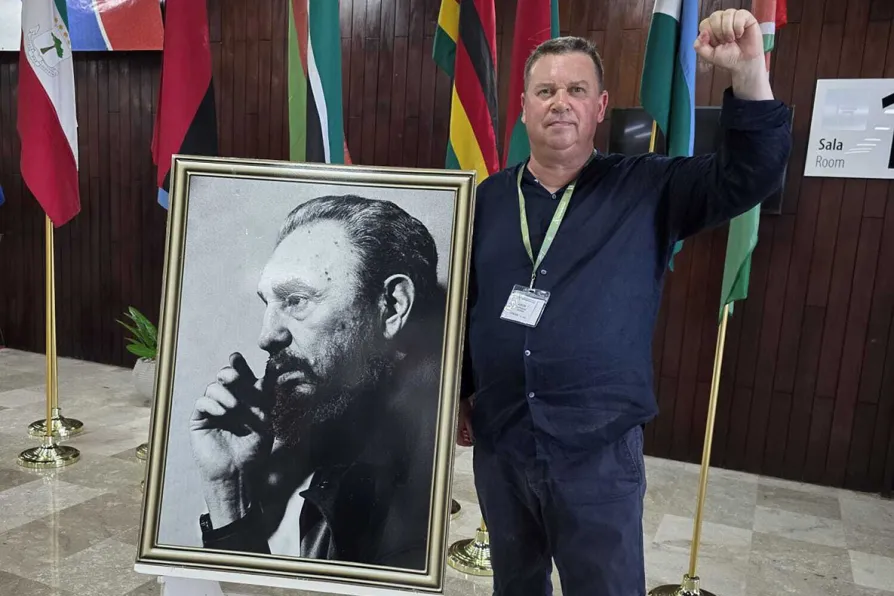
ALEX GORDON and LORRAINE DOUGLAS report from Havana, Cuba, where they represented the Communist Party of Britain at the 24th International Meeting of Communist and Workers’ Parties on August 7-8
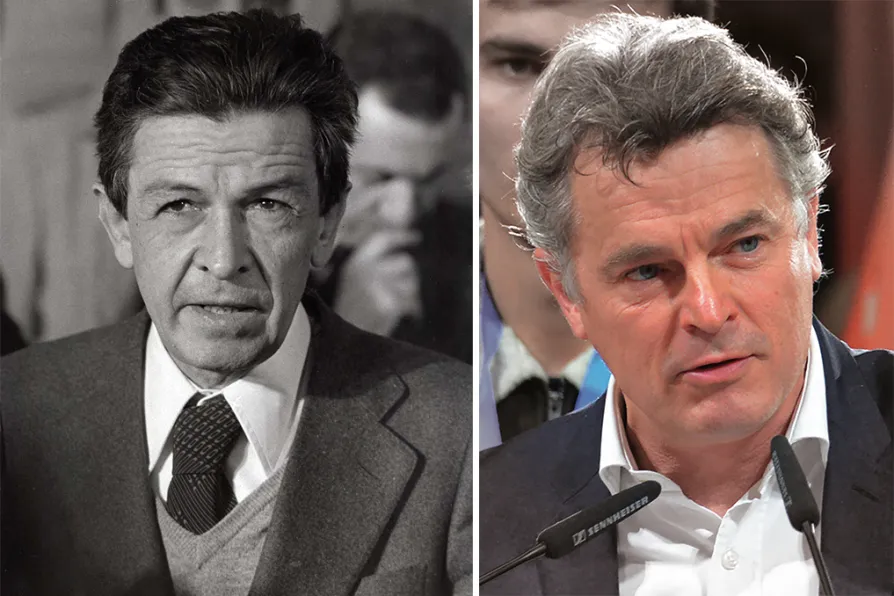
While Italy’s communist tradition remains fragmented and politically marginal, France’s party is attempting to re-establish itself as an independent force rooted in working-class organisation, says NICK WRIGHT
ROGER MCKENZIE recalls the one-in-a-generation communist leader murdered at the dawn of a new South Africa 33 years ago last April 10