A California union’s decision to host a meeting about US policy towards Cuba has prompted a congressional probe and renewed attacks on international solidarity, writes CAMERON HARRISON



Will the Palestinian resistance groups create a new political project?
The first task of the resistance is to prevent the attack on Rafah and end the genocide. However, soon thereafter, the political malaise that has befallen the Palestinian people must be overcome, writes VIJAY PRASHAD
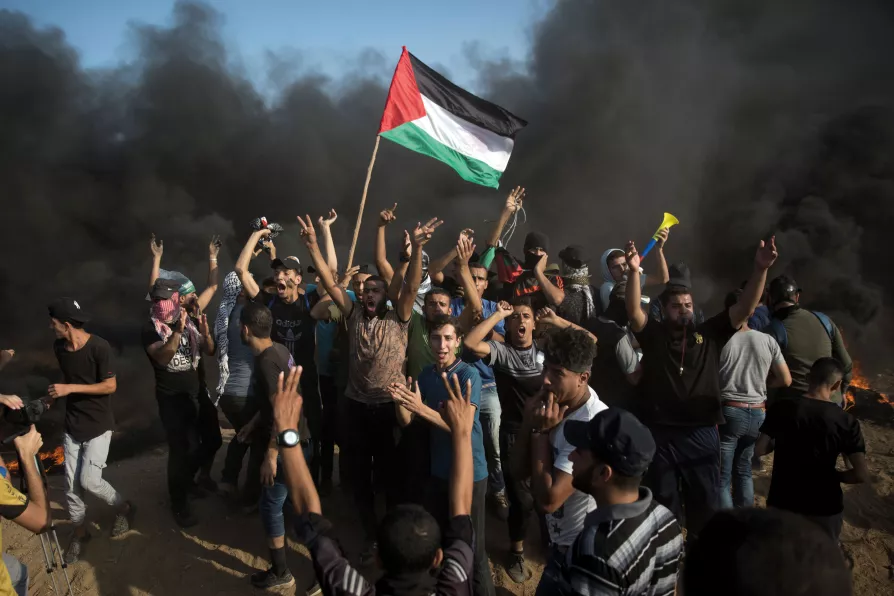
 UNITED RESISTANCE: Palestinians protest the blockade during the Great March of Return in Gaza, 2018
The Baltic state is set to reverse its constitutional prohibition on nuclear weapons and foreign bases as part of accelerated Nato war preparations, warns TOM UNTERRAINER
Long-term underfunding and state neglect, while simultaneously probation services have been undermined, have intensified the prison crises, argues SOLOMON HUGHES
Holyrood incompetence has cost jobs and put the future of Clydeside’s Ferguson Marine shipyard into jeopardy. Its future should have been assured, argues KENNY MACASKILL
With the agitated debate now raging in the media about the early release schemes, Prison Officers Association general secretary STEVE GILLAN gives the view of those who work in the sector
The hounding of the late Jason Arday is an all too familiar experience for many black people. ROGER McKENZIE calls for collective action to combat what can feel like personal isolation





IN CAIRO, representatives from Hamas held indirect negotiations with Israel for a ceasefire. The sticking point for several of the rounds was the order of events. Israel wanted the hostages to be released before it would stop the bombing, while Hamas said that the bombing must stop first.
Israel has called for the disarming and dismantling of Hamas, which is a maximalist demand unlikely to be met. Hamas meanwhile would like not only a ceasefire but an end to the war. Both sides blamed each other, which made the task of the Egyptian and Qatari negotiators more difficult.
The best outcome possible from the Cairo talks is an end to the current genocidal war against the Palestinians in Gaza. The negotiations to end the war took on an extra urgency as Israel bombed the edge of Rafah, the only city in Gaza not yet decimated by Israel.

Similar stories
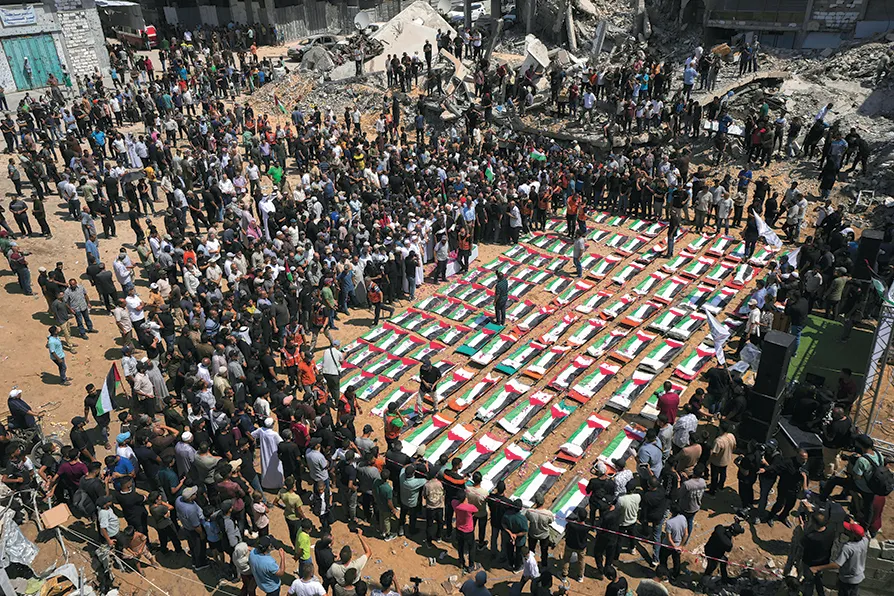
Given the recent rejection of peace proposals by Israel the world must provide an immediate and resolute response to force accountability on Gaza, argues RAMZY BAROUD
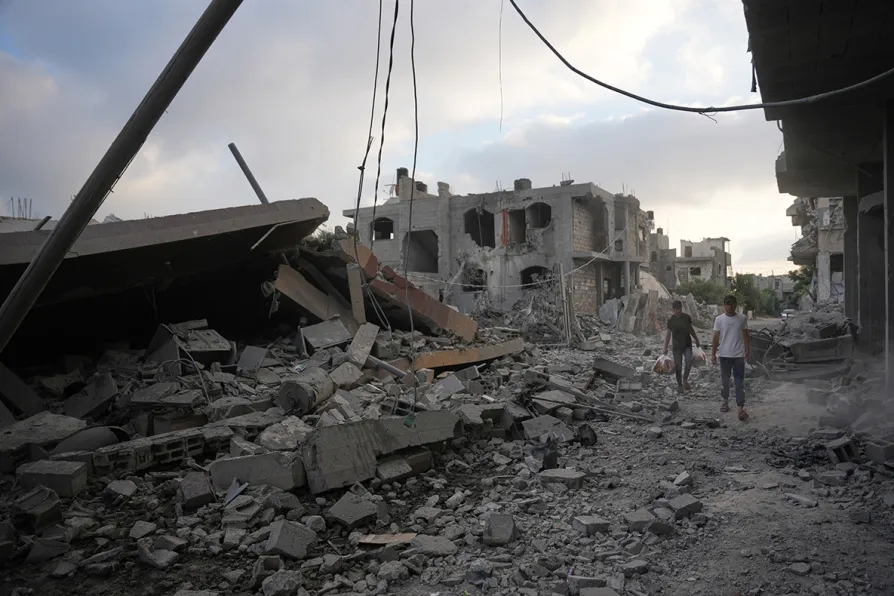
While international actors discuss governance and reconstruction, Netanyahu has made it clear that Israel has no intention of ending its military occupation, says RAMZY BAROUD
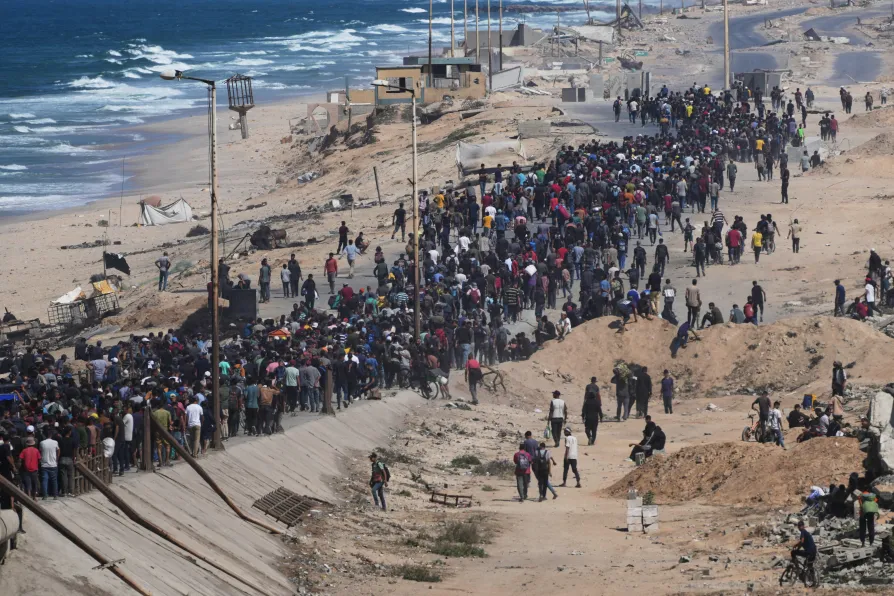
ANN CZERNIK looks back over the last two years of carnage that began with the unprecedented October 7 operation and considers the rhetoric from both sides in light of the massacre carried out by Israel that has united the world in horror
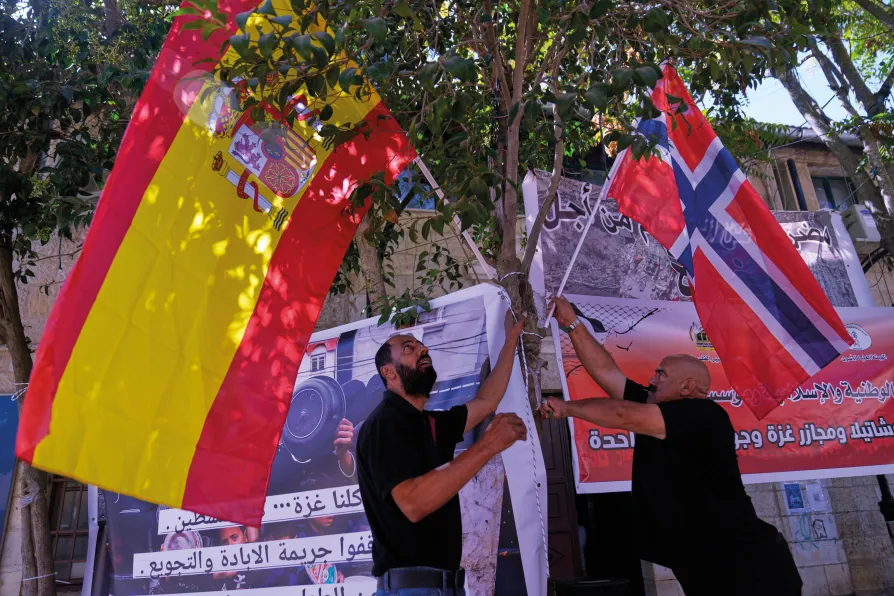
Spain has joined South Africa’s ICJ genocide case against Israel while imposing weapons bans and port restrictions, moves partly driven by trade unions — proving just how effectively civil society can reshape government policy, writes RAMZY BAROUD