Cuban trade union federation CTC leader OSNAY MIGUEL COLINA speaks to Ben Chacko about life and work under a crippling US siege


 Latest editorial
What is the real threat from Reform UK?
With far-right parties making major gains recently in Europe, it’s worth paying close scrutiny to Farage’s party and taking the threat it poses seriously, writes DIANE ABBOTT
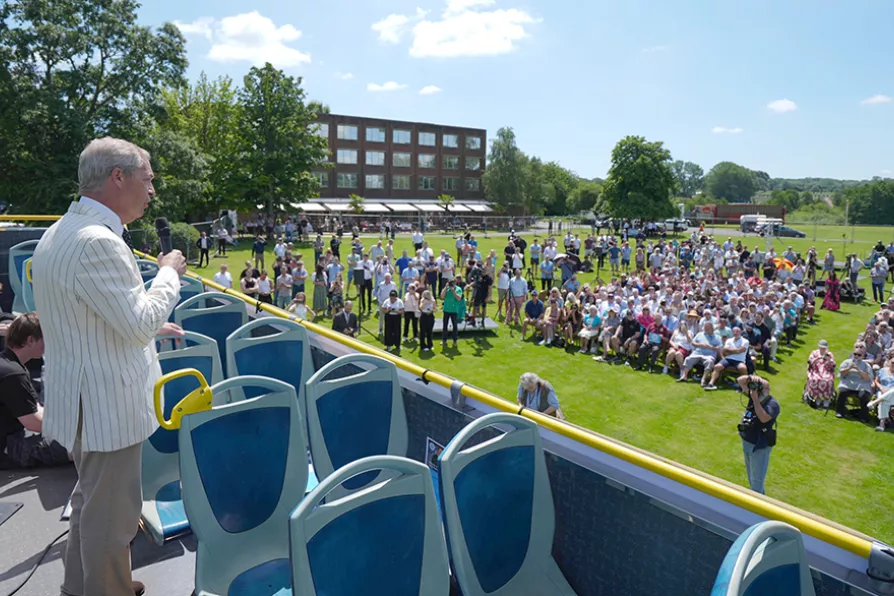 THE ART OF DEMAGOGY: Reform UK leader Nigel Farage speaking at the Mercure Maidstone Great Danes Hotel in Maidstone Kent last Monday

A part of the British empire’s network of slavery, today the Caribbean island of Nevis faces a new form of exploitation in the form of crypto-colonialism, CLAUDIA WEBBE writes
A new book by Victoria Holmes illuminates the many hidden histories of the oppression experienced by Gypsy/Roma/Traveller community, writes ROGER McKENZIE
Even the oligarchs of the artificial intelligence industries are warning that their creations have the capacity for the ultimate destruction of the planet and its population. ANDREW MURRAY suggests that there might just be other solutions
The Labour government must deliver on its commitment to bring back privatised services into the public sector. This not only saves money but also creates accountability and generates wider social benefits, argues ANDY MCDONALD MP
Public ownership of Great British Railways has enormous potential to improve our railway network, but that can’t happen unless jobs, employee rights and union recognition is at the heart of the transition, argues MARYAM ESLAMDOUST
Challenges from the unscrupulous misuse of AI to steal actors’ voice and physical likenesses is being met with a firm union response, writes LYNDA ROOKE





THERE are only two people who can realistically be prime minister on July 5. One of them is Rishi Sunak and the other is Keir Starmer. For innumerable reasons, I would far rather it was Keir Starmer and fervently hope that is the outcome.
But this is a very strange election. The traditional polling is highly consistent (the MRP polls are a different matter). They generally show the Labour party polling in the low 40s, while the Tories are stuck around 20 per cent. That is around half of their vote recorded in the 2019 general election.
All other parties, bar one, are showing very modest gains or losses except one. That is Reform UK. (Of course in Scotland, the picture is quite a bit different, but that is a separate story).

Similar stories
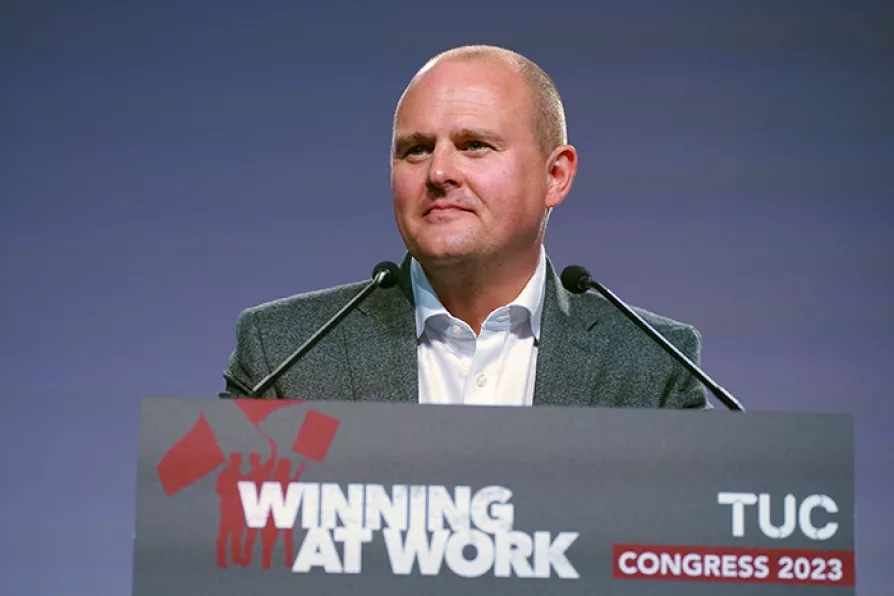
TUC general secretary PAUL NOWAK tells Ben Chacko that Labour can win back disillusioned voters by delivering workplace reforms, rebuilding trust and challenging the far right’s growing influence
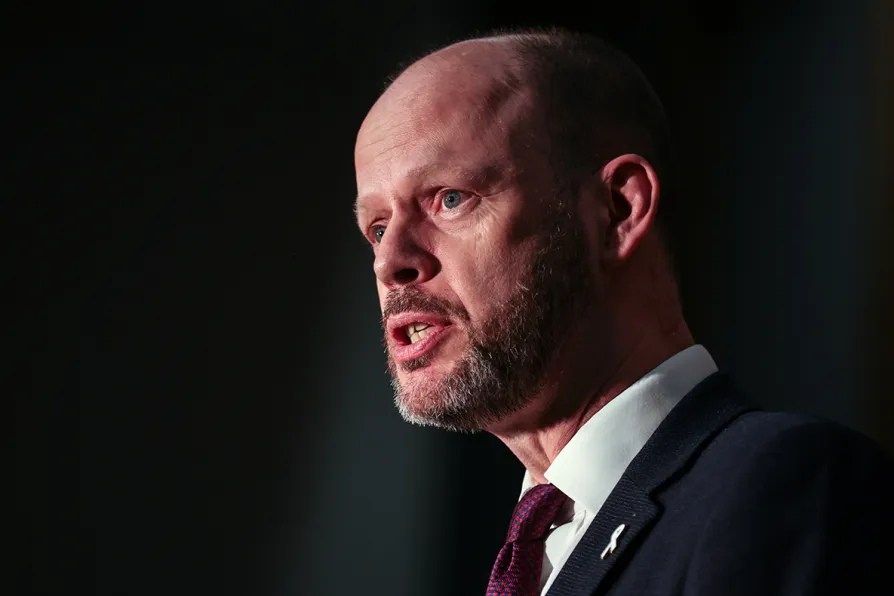
JAMIE DRISCOLL’s group, Majority, with an inclusive approach and supportive training, aims to sidestep many of the problems afflicting Britain’s progressive movement
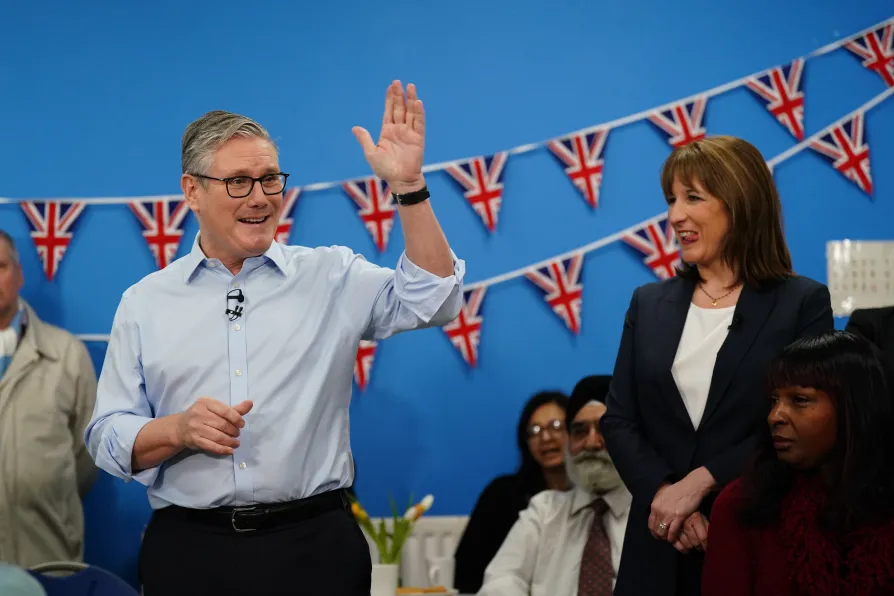
The 2025 Budget shores up the PM’s political position with headline-grabbing welfare U-turns, but with no improvements on offer to declining public services or living standards, writes MICHAEL BURKE
It is rather strange that Labour continues to give prestigious roles to inappropriate, controversy-mired businessmen who are also major Tory donors. What could Labour possibly be hoping to get out of it, asks SOLOMON HUGHES