
Washington’s inability to subjugate Iran is an example of how it is trying to preserve a regional order that no longer exists, argues RAMZY BAROUD


The old is dying
GAWAIN LITTLE argues that the prolonged economic crisis we have been experiencing presents opportunities for a working-class fightback



US financial instability is exposing the limits of a dollar-dominated global economy — and giving the Global South a historic chance to build an alternative, says MURAD QURESHI
DOUG NICHOLLS says the parasitic finance markets must be challenged or another British government could be toppled
The late country singer’s Imagination Library has put hundreds of millions of books into children’s hands. We should build on that legacy by defending the libraries at the heart of our communities, says BRENDA AITCHISON
Deprivation is a fundamental factor in criminal behaviour that must be addressed but, KENNY MacASKILL argues, there needs to a major rethink in sentencing to tackle overcrowding
MML director MEIRIAN JUMP outlines the recently refreshed library’s busy autumn schedule that ranges from book sales, archival exploration, community work with online education and the ever popular site tours
TONY BURKE surveys the shifting political landscape and the challenges Labour needs to address if it is to prevail in the 2028 federal elections





THE new year is a time to take stock. Over the past decade and a half, we have bounced from crisis to crisis. While the incompetent handling of these crises can be laid squarely at the door of the Conservative government that was in office for the bulk of this time, their roots go much deeper.
From the great economic crisis of 2007-09 to the cost-of-living crisis of 2022 onwards, we have been affected repeatedly by fractures in the economic system, which have hit working people particularly hard.
Each of these individual events has been precipitated by specific factors — most recently, the war in Ukraine, crop failures due to climate change and the destabilising impact of the Tories’ handling of Brexit. However, as Michael Roberts argues in a recent article on The Polycrisis of Capitalism (Theory and Struggle 2024), across the entire period, there are clear underlying factors, amounting to a prolonged crisis of accumulation.

Similar stories
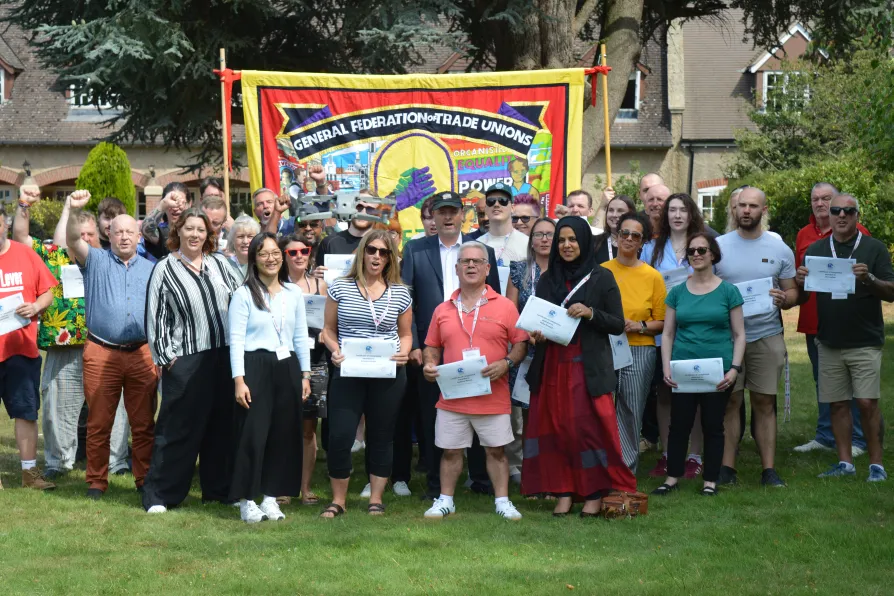
General Federation of Trade Unions president and bakers’ union general secretary, SARAH WOOLLEY, guides us through the GFTU’s Summer School happening this week at Quorn Grange Hotel
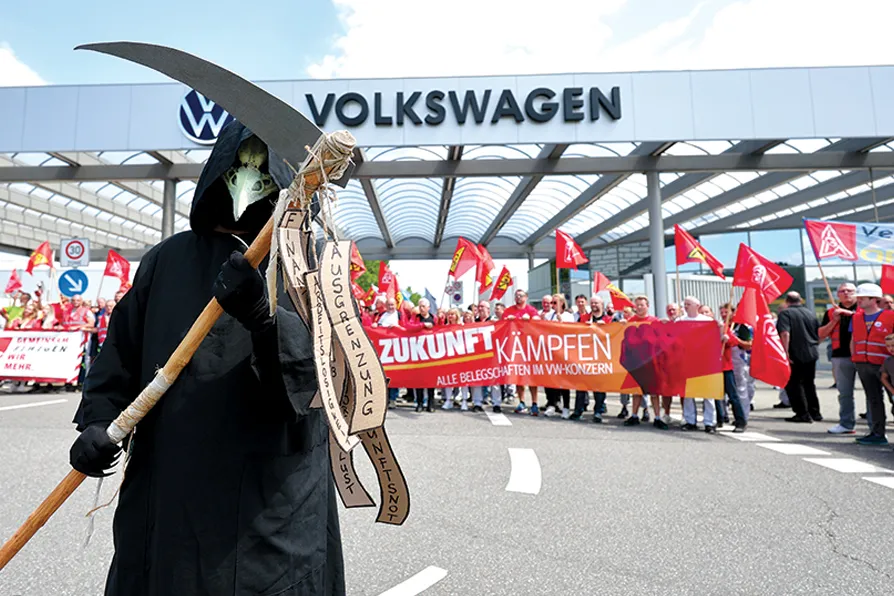
The future does not have to be climate chaos and social breakdown. MARC VANDEPITTE looks at the alternatives offered by the Global Justice Report, co-authored by Thomas Piketty

Only an ambitious programme of state-led investment can restore growth and improve living standards, argues MICHAEL BURKE

If the government really wanted to address public finances, improve living standards and begin economic recovery, it would increase its borrowing for investment, argues MICHAEL BURKE