In the wake of his recent humanitarian visit to Cuba, RICHARD BURGON points to the now urgent need to defend the island’s political sovereignty and its right to self-determination


 Latest editorial
Sharpeville must be remembered as Sharpeville
The 1960 murder of black protesters was a turning point in the awareness of racism globally, but today in South Africa, we are allowing it to be remembered simply as Human Rights Day, TSOANA NHLAPO tells Roger McKenzie
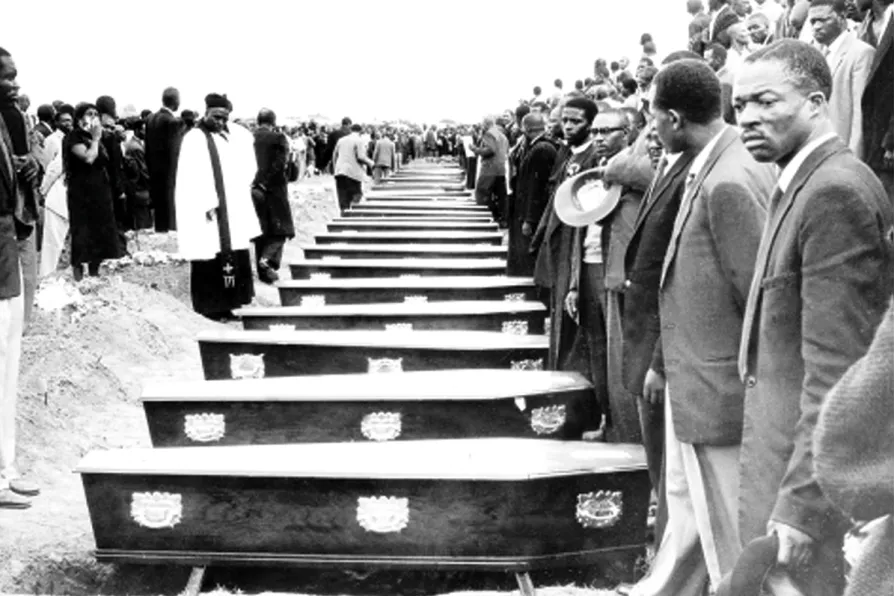 Thousands gather at the graveyard after the massacre
[Peter Magubane via thejournalist.org.za]
Thousands gather at the graveyard after the massacre
[Peter Magubane via thejournalist.org.za]
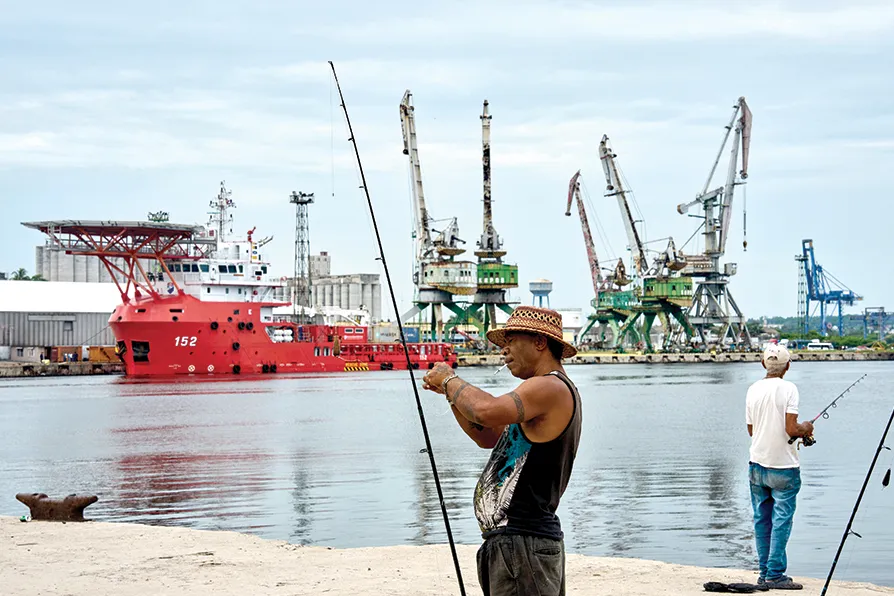
Thousands of jobs are at risk across higher education, yet government funding appears only when universities can be linked to military objectives, says JO GRADY, in the run-up to the Stop the War International Conference this Saturday
The Wye, Usk, Arrow and Lugg were once treasured for their clean waters – today, pollution and corporate excess are fuelling demands for a return to public ownership, says MARK SEDDON
The new Employment Rights Act is a step forward, but restoring collective bargaining and union power remains essential to tackling insecurity, outsourcing and low pay, says PAUL WHITEHOUSE
Rising support for Farage’s party reflects Labour’s failure to defend working-class living standards or offer a credible alternative to neoliberal decline, says JOSEPH MILLS
Trade unionists are mobilising to support Cuban workers and public services, amid escalating US pressure on the socialist island. RONAN OGILVY explains





FOR Tsoana Nhlapo, chief executive of the Sharpeville Foundation in South Africa, the fight to keep alive the memory of the massacre that took place in March 1960 is a vital one.
Nhlapo says it is still important to remember what happened in the black township of Sharpeville, some 30 miles from Johannesburg, where the apartheid regime’s police murdered at least 69 black people and wounded about 180.
The massacre took place during one of the first open and most violent demonstrations against apartheid and is marked globally on March 21 each year as the United Nations International Day for the Elimination of Racial Discrimination.

Similar stories
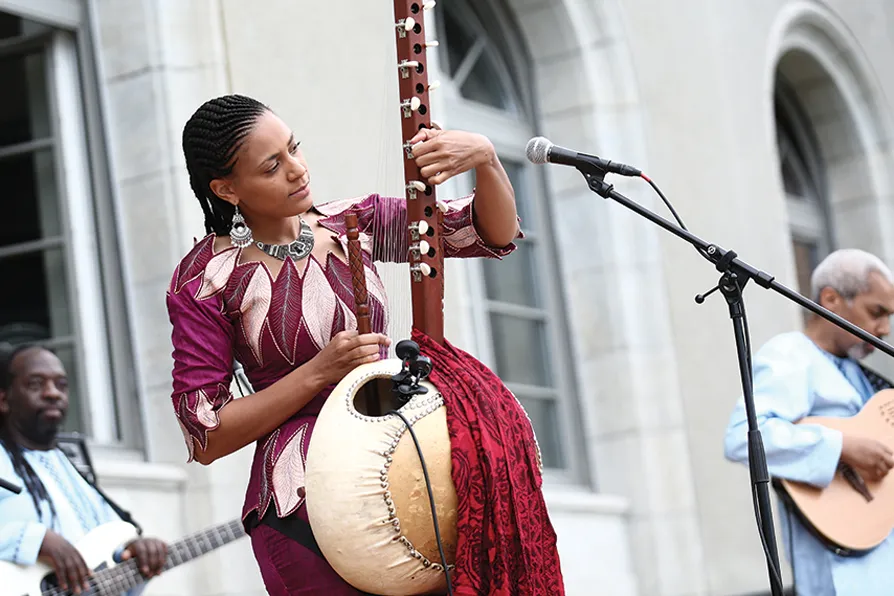
ROGER McKENZIE draws attention to the much-neglected oral traditions of the global South that define the identity – and therefore the liberation – of its custodians
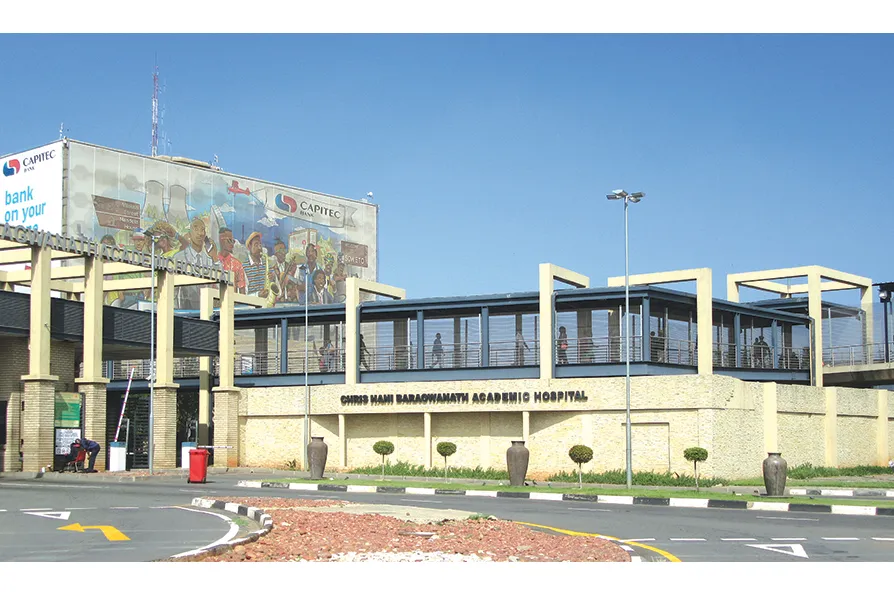
ROGER MCKENZIE recalls the one-in-a-generation communist leader murdered at the dawn of a new South Africa 33 years ago last April 10
ROGER McKENZIE looks at how ancient traditions practiced today can be the cornerstone of anti-imperialism in Africa
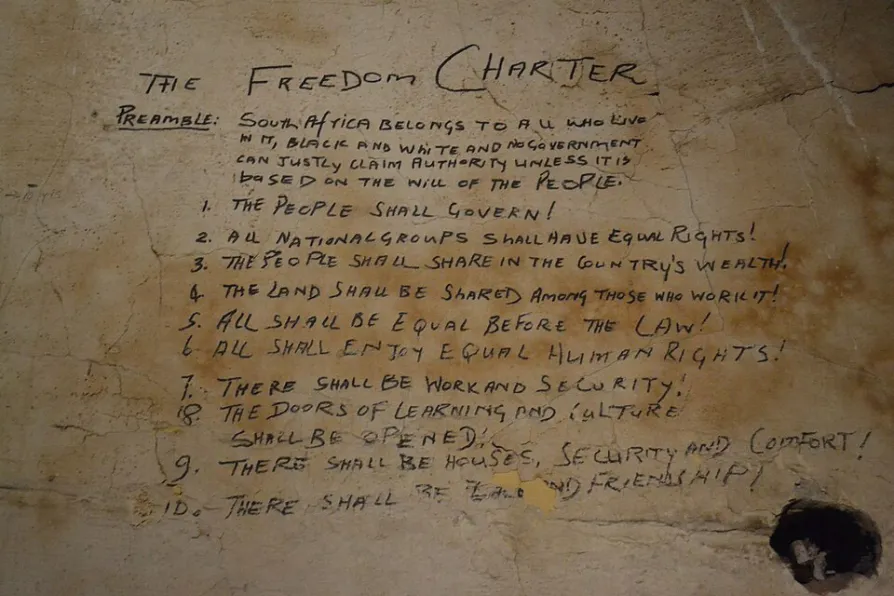
The charter emerged from a profoundly democratic process where people across South Africa answered ‘What kind of country do we want?’ — but imperial backlash and neoliberal compromise deferred its deepest transformations, argues RONNIE KASRILS