

 Latest editorial

In the second part of LAYTH YOUSIF’S history of the New York Cosmos, he reflects on their stunning reboot





AS A global game representing diverse communities and groups of people all around the world, and one which is, in the main, supported by and played by working-class people from those communities, football is in a position of influence when it comes to tackling racism and fascism in sport and society.
On top of that, the groups of people who support these teams — in their hundreds or thousands or millions, at club or international level — mean these organisations naturally have a community base to work with.
Despite their huge influence, there is relatively little action taken by the biggest organisations, with governing bodies often turning a blind eye to incidents of racism or fascism, issuing meaningless meagre fines, and doing little at the grassroots level where real change can happen.


ROGER MCKENZIE argues that it was correct to ban the notorious Israeli side who were likely to cause trouble in Muslim areas of Birmingham, but asks, given the occupation and slaughter in Palestine, why any Israeli team is being hosted anywhere
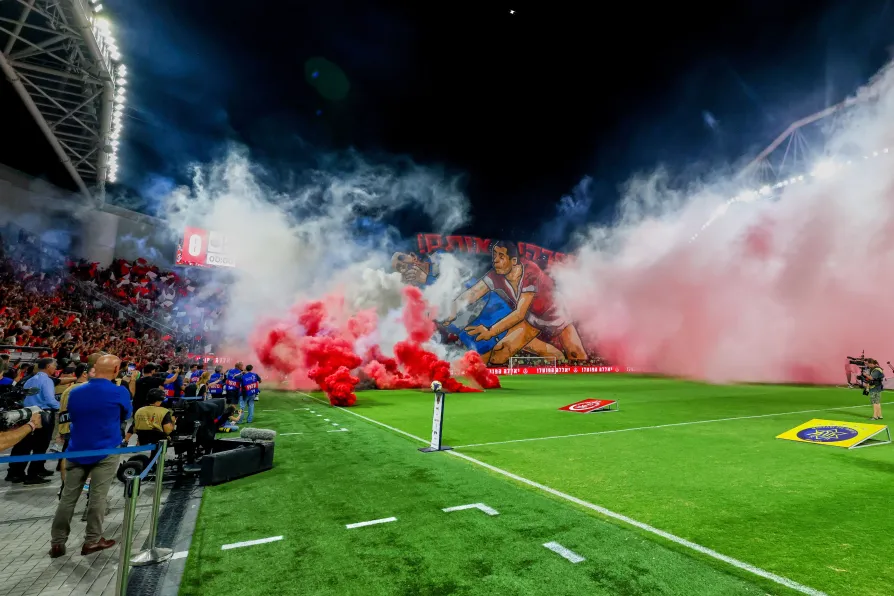
JAMES NALTON writes on the bizarre Aston Villa v Maccabi Tel Aviv scandal
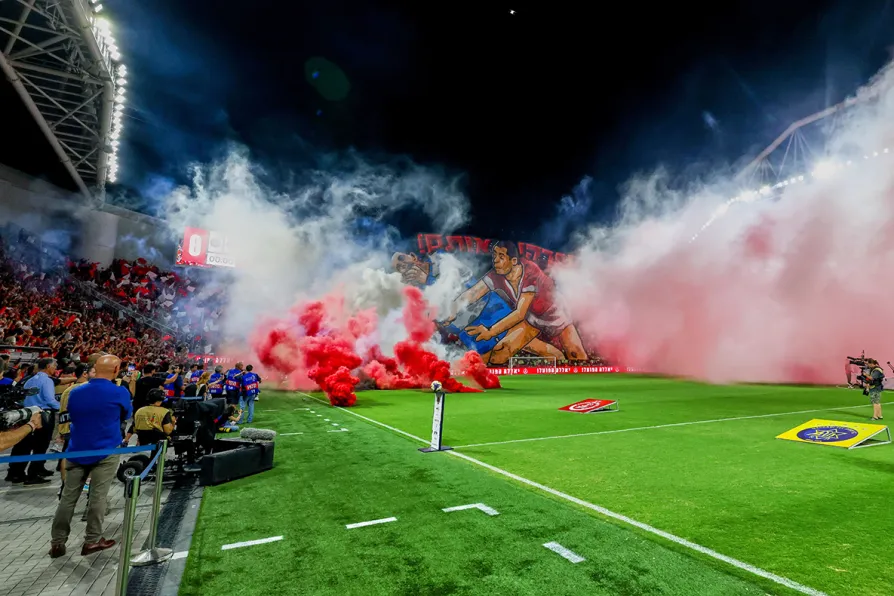
The ban on Maccabi Tel Aviv fans was based on evidence of a pattern of violence and hatred targeting Arabs and Muslims, two communities that have a large population in Birmingham — overturning the ban was tacit acceptance of the genocidal ideology the fans espouse, argues CLAUDIA WEBBE
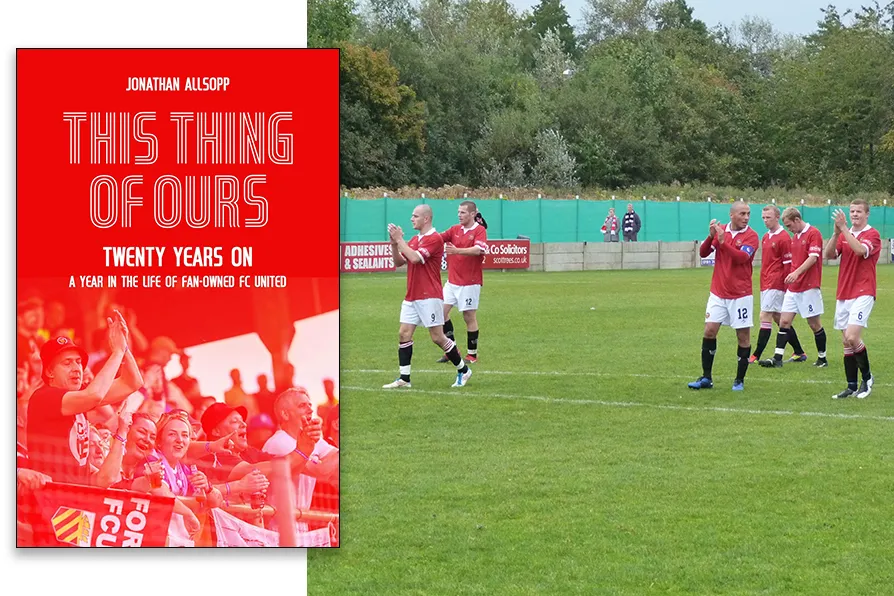
STEVEN ANDREW welcomes a fine introduction to FC United of Manchester, the team set up in opposition to Manchester United