The campaign against the Bank of England’s ongoing theft of Venezuelan gold is gaining support across the labour movement and beyond, writes MATT WILLGRESS


 Latest editorial

Rebalancing the power relationship between workers and employers
As the Employment Rights Bill enters Parliament, JAMES HARRISON introduces a podcast designed to help trade unionists, as well as MPs, understand its intentions and how to go about improving it
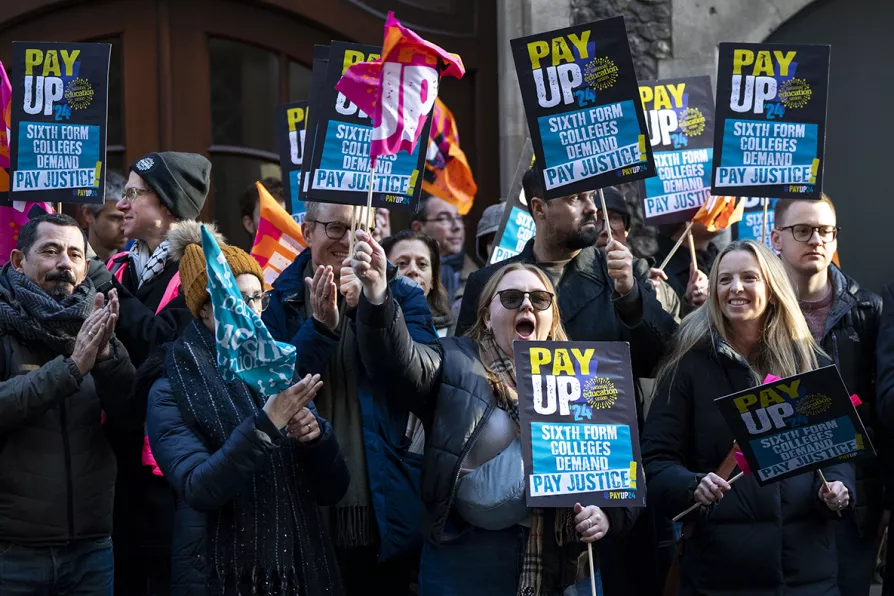 Members of the National Education Union (NEU) hold a rally outside the Department for Education (DfE) in London as strike action is taken by sixth form college teachers members across 32 colleges in England. Picture date: Thursday November 28, 2024

The new Prime Minister must abandon decades of automatic support for US foreign policy, which makes us all less safe, argues DIANE ABBOTT MP
Claims that Nicaragua has abolished elections followed a headline that stripped Daniel Ortega’s remarks of their historical and political context. The full speech tells a different story, says BECCA RENK FOSTER
Media Lens at 25: David Cromwell and David Edwards reflect on a quarter-century of media criticism, explaining why independent journalism is more important than ever
MAT COWARD introduces some of the electoral oddballs of the political fringe who remain one of the liveliest features of British democracy, despite efforts to abolish them
by Weyman Bennett and Maz’s family





AS THE Employment Rights Bill passes through its parliamentary stages, now is the time for trade unionists to cut through the exclusive, technocratic nature of parliamentary procedures and understand what the Bill really means for workers.
Where are the loopholes and how, with trade union lobbying, might it be improved?
As a trade union think tank, the labour law experts at the Institute of Employment Rights (IER), have been informing the debate on defending and restoring labour rights for over 35 years and we see the government’s Bill as a welcome step in the right direction. But can it be improved? As an independent trade union movement, we should be looking at the proposals with an informed and critical eye.

Similar stories
![Durham Miners' Gala 2026 [Pic: Neril Terry]](https://msd11.gn.apc.org/sites/default/files/styles/desktop/public/2026-07/SSS_20260711_DURHAM_MINERS_GALA_0-17.jpg.webp?itok=aLX58nf7)
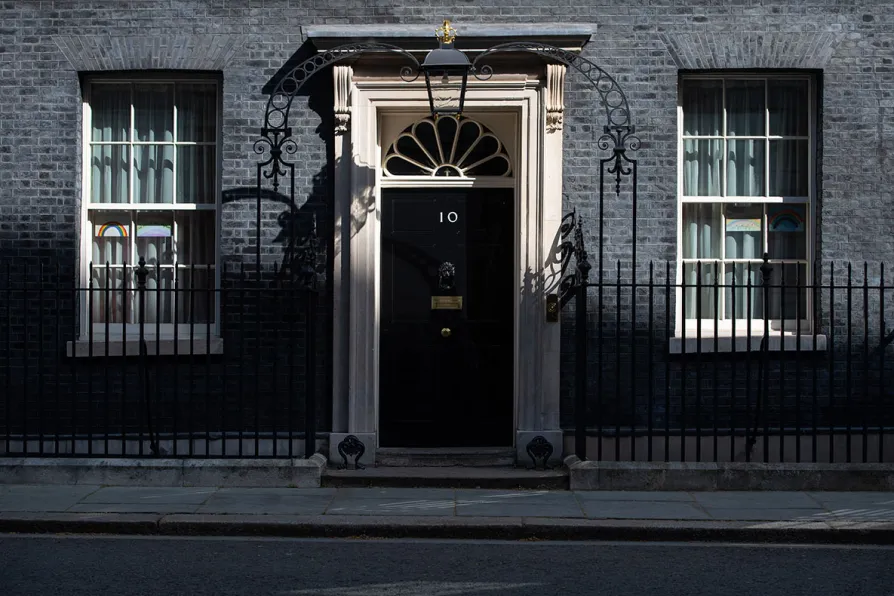
Labour’s long-promised Act has scraped through the Lords. While the law marks a step forward, its lack of collective rights leaves workers short-changed — and sets the stage for a renewed campaign for an Employment Rights Bill #2, argues TONY BURKE
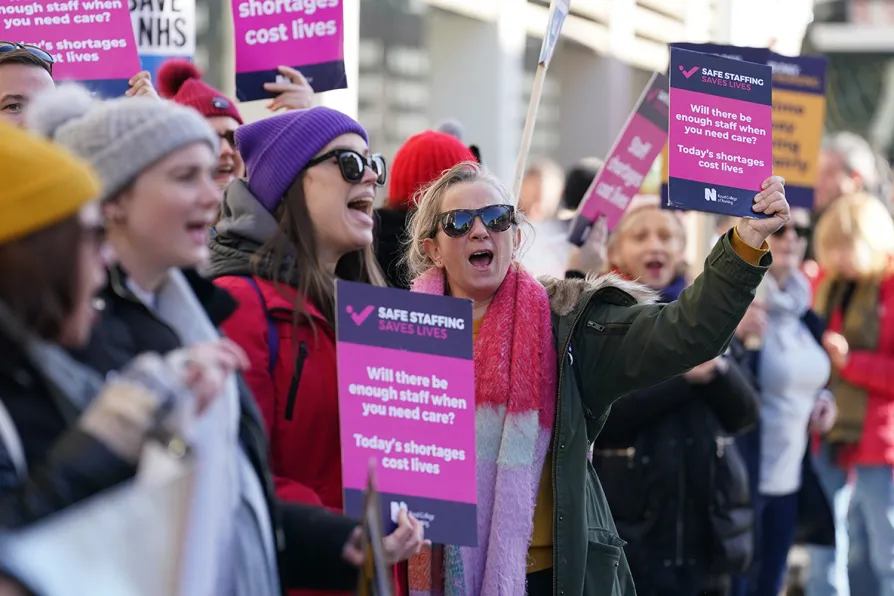
Employment lawyer ALICE BOWMAN warns ‘day one rights’ include an undefined ‘initial period’ and the zero-hours contract fixes create baffling fixed-term loopholes. If the Bill doesn’t work properly and deliver, Labour is doomed
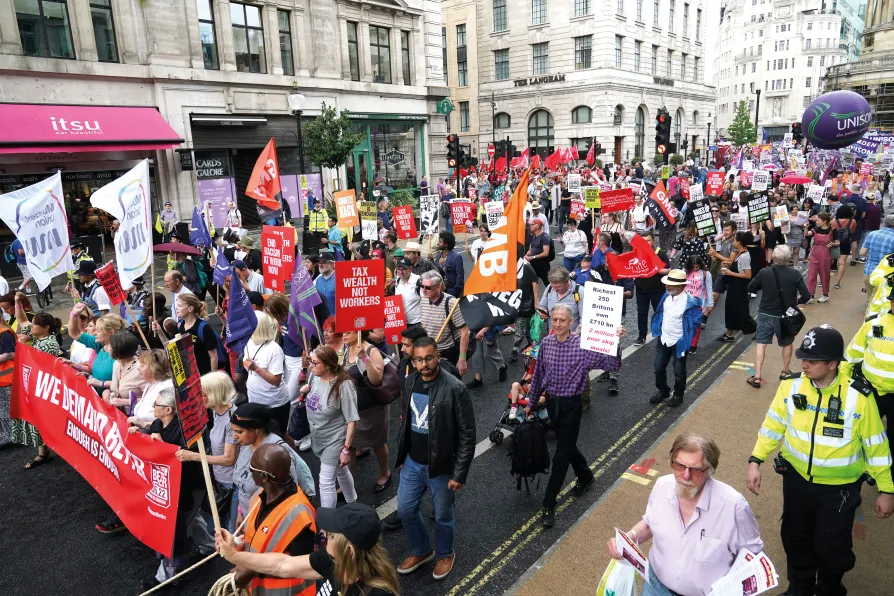
Labour must not allow unelected members of the upper house to erode a single provision of the Employment Rights Bill, argues ANDY MCDONALD MP